

[Sportschosun Jang Jong-ho] A domestic medical team has developed a next-generation precision nano therapy technology that can minimize brain damage during a stroke and dramatically improve motor function recovery.
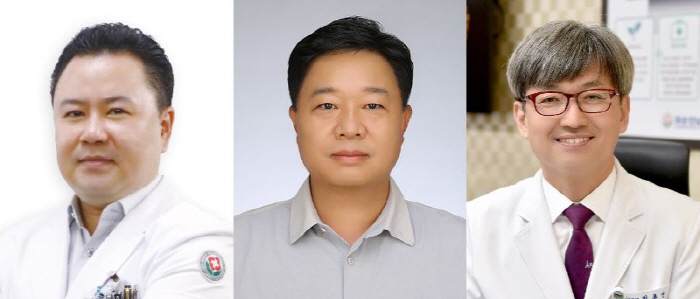
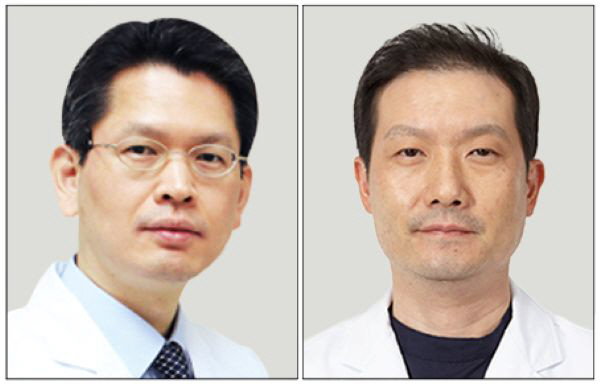
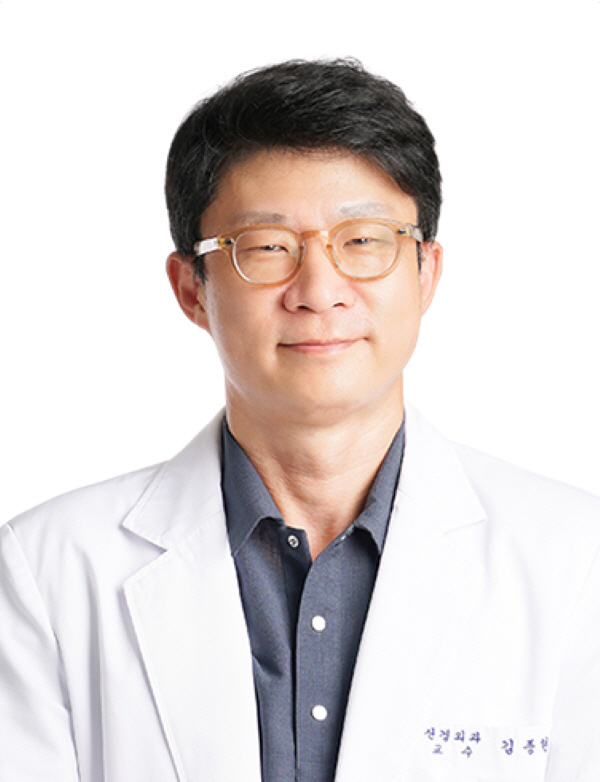
The achievement came from a research team led by Professor Kang-Ho Choi at Chonnam National University Hospital and Professors Park In-gyu and Yong Yeon Jeong at Chonnam National University Hwasun Hospital. The findings were published in Materials Today Bio, a leading international journal in bioengineering, and were also featured in BRIC's Honored People Who Illuminate Korea (Hanbitsa) in recognition of the study's excellence.
Ischemic stroke is a severe disease caused by blocked blood vessels in the brain. During reperfusion, when blood flow is restored, large amounts of reactive oxygen species (ROS) are generated, triggering fatal secondary damage that destroys brain nerve cells. Existing treatments have faced clear limitations in delivering drugs to damaged brain tissue because of the blood-brain barrier (BBB), a powerful protective barrier around the brain.
To overcome this challenge, the team originally designed a thioketal-based nanocarrier (PTC) that breaks down selectively in response to reactive oxygen species. They then loaded the carrier with Atorvastatin, a drug known for its brain-protective and anti-inflammatory effects, and successfully delivered it with precision to ischemic brain regions where ROS is concentrated.
The biggest innovation of the smart nanocarrier (PTC-statin) developed by the team lies in its dual-functional mechanism. The nanocarrier passes smoothly through the BBB in areas where ischemic damage has occurred and releases the drug at the target site. At the same time, it suppresses the generation of reactive oxygen species that destroy cells, fundamentally improving the ischemic environment.
The team said, "The reactive nanocarrier platform we developed is an innovative approach that overcomes the long-standing challenge of BBB penetration in stroke treatment, while simultaneously delivering drugs to ischemic brain lesions and directly removing oxidative stress." They added, "We hope it will become an important turning point that accelerates the era of precision, customized treatment for acute ischemic stroke and for a wide range of intractable brain diseases involving reactive oxygen species."
Meanwhile, the study was carried out with support from the National Research Foundation of Korea (NRF)'s Basic Research Program (Mid-career Research).
Jang Jong-ho, bellho@sportschosun.com