


[Sportschosun Reporter Jang Jong-ho] The better the family relationship, the higher the quality of life for family caregivers, a new study has found.
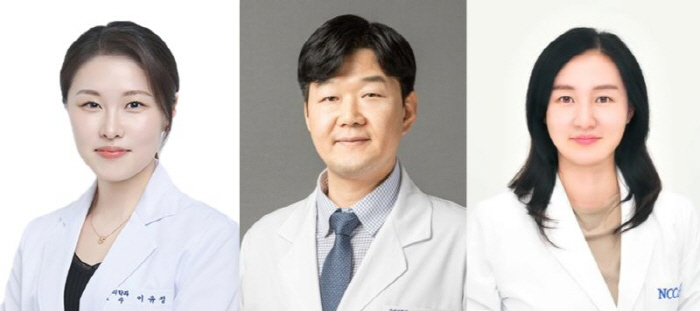
A joint research team led by Yoo Jeong Lee of the Department of Family Medicine at Korea University Guro Hospital, Hwang In-cheol of the Department of Family Medicine at Gachon University Gil Hospital, and Sojeong Park, head of the Hospice and Palliative Care Unit at NCC, identified family relationship factors that affect the quality of life of family caregivers looking after terminal cancer patients. The team also confirmed the possibility of using family relationship assessments to identify high-risk caregivers with a heavy burden at an early stage.
Family caregivers play a key role in the treatment and care of patients with advanced cancer. However, long-term caregiving often leads to physical and mental strain, lowering their quality of life. In particular, caregivers' difficulties can affect the quality of patient care, communication with medical staff, and treatment decisions, underscoring the importance of early assessment and support. Still, there has been a lack of research on specific indicators that can be used to assess caregiver risk in real clinical settings.
To address this, the team conducted a multicenter study involving 170 family caregivers of patients with advanced cancer at nine hospice wards across South Korea from September 2021 to March 2024. Using the Family Relationship Assessment Scale (FRAS), the researchers evaluated family support, conflict, and intimacy. They also analyzed caregiving burden, adjustment, and quality of life with the Korean version of the Caregiver Quality of Life Index-Cancer (CQOLC-K).
The results showed that the better the family relationship, the higher the caregiver's quality of life. Family conflict, in particular, was most closely linked to a decline in quality of life, while family support served as a protective factor that improved adjustment to the caregiving situation. The association was even more pronounced among younger caregivers, those without jobs, people with low social support or resilience, and those dissatisfied with caregiving services.
The research team said the findings suggest that family relationship assessments could help identify caregivers who are likely to face psychological and social difficulties at an early stage. In cases where family conflict is detected, more active support such as counseling, family meetings, and referrals to social welfare services may be needed. If family support is lacking, a tailored approach that strengthens access to caregiving resources and emotional support could be effective.
Professor Yoo said, "It is somewhat expected that people with better family relationships have a higher quality of life." She added, "The key finding of this study is that family relationship assessments alone may help identify family caregivers at high risk of future caregiving burden and a decline in quality of life." She continued, "If vulnerable families are identified early and provided with interventions such as counseling, education, and links to social welfare resources, it could help reduce caregiver burden and improve quality of life."
Meanwhile, the study was recently published in the international oncology journal Current Oncology under the title, "Family Relationships as Modifiable Targets for Caregiver Quality of Life in Hospice Care: A Multicenter Study."
Reporter Jang Jong-ho, bellho@sportschosun.com