

[Sportschosun reporter Jang Jong-ho] Febrile seizures are a relatively common pediatric emergency that can occur in children between 6 months and 5 years of age.
They may appear during a fever caused by a cold, otitis media, or gastroenteritis, and often occur when body temperature rises suddenly.
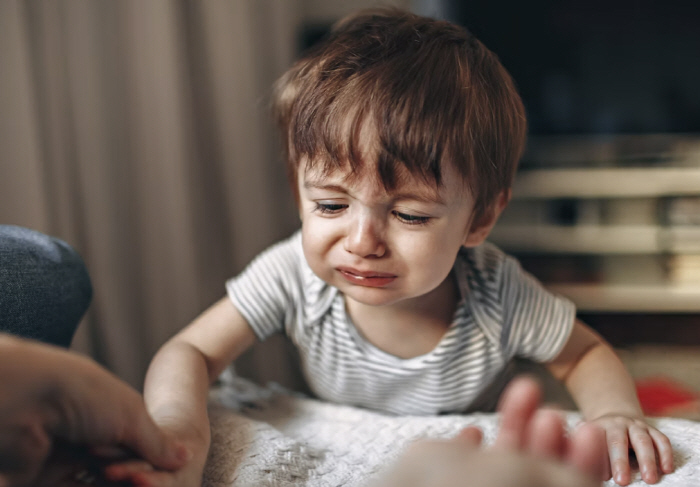
When a febrile seizure occurs, a child may seem unresponsive, roll their eyes, or stiffen and shake their arms and legs. Their lips may look bluish, and they may drool. Most children recover within minutes, but for caregivers, it can feel extremely long and alarming.
Professor Jung Hye Byeon of Korea University Anam Hospital's Department of Pediatrics said, "Febrile seizures often occur because a child's developing brain reacts sensitively to fever stimulation," adding, "Most children recover without any special aftereffects, but it is important to accurately check the seizure duration, whether it recurs, and how well the child recovers."
If a child has a seizure, the first step is to lay them on a safe surface such as the floor or a bed and turn their head to the side so they can keep breathing properly. Remove nearby dangerous objects and loosen tight clothing. On the other hand, you should avoid holding the child down by force or putting fingers, spoons, towels, or other objects into their mouth, as this can increase the risk of injury.
It is especially important to check how long the seizure lasts. Most simple febrile seizures stop within five minutes, but if they last longer than five minutes, recur several times in a day, or if the child does not regain consciousness properly afterward, immediate emergency care is needed. Additional tests may also be necessary if the first seizure occurs before 6 months of age or after age 5, or if it is a partial seizure affecting only one arm or leg.
When a febrile seizure occurs, caregivers often worry about epilepsy. Febrile seizures and epilepsy can both present with seizures, so they may seem similar at first. However, febrile seizures usually occur temporarily in the setting of a fever, while epilepsy is a neurological disorder marked by repeated seizures unrelated to fever.
Diagnosis is made by considering the child's age, the cause of the fever, the seizure pattern, and how long it lasted. In most cases of simple febrile seizure, observation is enough. But if there is a possibility of another condition, such as meningitis or epilepsy, blood tests, EEGs, and imaging studies may be performed.
Professor Jung Hye Byeon emphasized, "Having a febrile seizure does not mean a child will develop epilepsy," adding, "However, if the seizure lasts a long time or recurs, it is important to seek care from a pediatric neurology specialist to identify the exact cause."
She also advised, "Rather than becoming overly anxious, caregivers should calmly check the child's breathing, level of consciousness, and how long the seizure lasts," and added, "Above all, it is necessary to seek medical care quickly so the child can recover safely."
Jang Jong-ho, reporter bellho@sportschosun.com