


[Sportschosun, Jang Jong-ho] A man in his mid-50s who works at a company often spent his days on computer work and meetings. For several months, his right shoulder had felt stiff, but he brushed it off, thinking it was just frozen shoulder. The morning after a golf practice session after work, he woke up suddenly with a stabbing pain in his shoulder.
The pain became especially severe around 2 or 3 a.m., and even turning over in bed or feeling his collar brush against his shoulder was unbearable. He could not raise his arm, and although his wife helped him take painkillers, the pain did not improve. As soon as morning came, he went to the hospital and was diagnosed with calcific tendinitis.
If you suddenly develop severe, tearing shoulder pain and can barely lift your arm despite having no clear injury, calcific tendinitis may be the cause.
Calcific tendinitis is a condition in which calcium crystals build up in the rotator cuff tendon of the shoulder. It is often described as having a stone in the shoulder, but pain does not come simply from the presence of calcium. In many cases, people have calcium deposits without any noticeable symptoms.
The calcium does not appear all at once. It forms gradually inside the tendon and may later be naturally absorbed over time. However, if inflammation becomes severe during that absorption process, sudden shoulder pain can develop to the point where lifting the arm becomes difficult even without any special trauma. In addition, if the calcium is not absorbed well and grows larger, or if its location irritates the space beneath the rotator cuff and shoulder blade, even ordinary shoulder movement can trigger inflammation in nearby tendons and tissues and worsen the pain.
Most cases of calcific tendinitis can improve with non-surgical treatment. Still, the pain can be intense despite the condition itself not being severe. Many patients visit the hospital because the pain wakes them up in the middle of the night or makes everyday movements such as lifting and rotating the arm difficult.
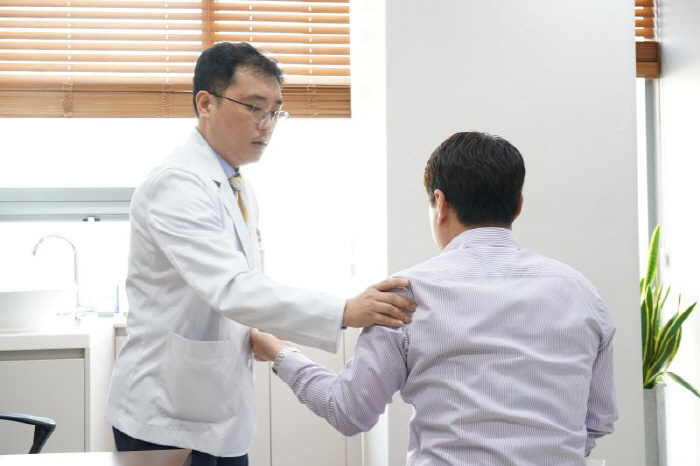
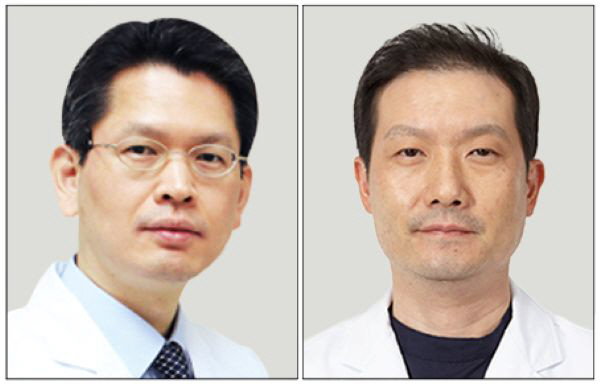
Min Seul-gi, director of Yonsei Star Hospital and an orthopedic specialist, explained, "Finding calcium in the shoulder does not mean it is automatically the cause of the pain. In fact, some patients show calcium on imaging but have no symptoms, while even a small deposit can cause severe pain if the surrounding inflammation is intense." She added, "That is why doctors need to look not only at whether calcium is present, but also at the pattern of pain, any limitation in arm movement, and signs of inflammation on ultrasound."
However, if the pain is severe, waiting for it to resolve naturally may not be the right approach. Medical care is needed if it is hard to raise the arm, night pain is severe, or daily activities such as washing hair or getting dressed are affected. Calcific tendinitis can be difficult to distinguish from frozen shoulder or rotator cuff disorders without proper testing.
Calcific tendinitis mainly affects adults in their 30s to 60s and is known to be relatively common in women. It has also been linked to metabolic and endocrine conditions such as diabetes and thyroid disease. Repeated shoulder use can worsen symptoms, but the condition is not caused simply by overusing the shoulder. Researchers believe it involves a combination of tendon cell changes, local blood flow, and metabolic factors.
Treatment varies depending on the severity of symptoms and the condition of the calcium deposit. In most cases, treatment begins without surgery. If the pain is mild, doctors may recommend rest, anti-inflammatory painkillers, and physical therapy. If the pain is severe or inflammation around the calcium deposit or subacromial bursitis is present, injection therapy may be used.
If symptoms persist for a long time or the calcium deposit is large and painful, extracorporeal shock wave therapy may be considered. This treatment delivers energy to the affected area to reduce pain and help the calcium be naturally absorbed. If needed, ultrasound-guided needling and lavage may also be performed, in which a needle is used to puncture, wash out, or aspirate the calcium while its location is confirmed by ultrasound. In rare cases, arthroscopic surgery may be necessary if non-surgical treatment fails or if rotator cuff damage is also present.
Min Seul-gi said, "Calcific tendinitis can improve on its own, but that does not mean every calcium deposit must be removed. On the other hand, patients should not simply endure the pain and wait it out either." She continued, "It is important to decide on treatment by comprehensively assessing the size and location of the calcium, the degree of inflammation, whether the rotator cuff is damaged, and how much the pain is affecting daily life."
"In particular, during the acute pain phase, excessive stretching or self-directed exercise can actually make the pain worse," she advised. "It is best to check what stage the calcium deposit is in and whether it is causing inflammation in the surrounding tissues, then receive treatment and exercise guidance tailored to the patient's condition."
Jang Jong-ho, bellho@sportschosun.com