


[Sportschosun Jang Jong-ho] Stroke is a major cerebrovascular disease that occurs when a blood vessel in the brain becomes blocked or bursts. It is often known as a condition that happens more frequently in winter. In fact, when temperatures drop, blood vessels constrict and blood pressure rises, which can increase the risk of cerebrovascular disease. However, stroke also requires caution during the hot summer months.
Stroke is a disease in which a problem with a brain blood vessel cuts off blood flow to part of the brain or causes bleeding, damaging brain function. Because the brain cannot store oxygen or nutrients, brain cells begin to suffer damage within minutes if blood flow is interrupted. Cerebral infarction, which accounts for 80% to 90% of all strokes, occurs when a blood clot or atherosclerosis blocks a brain blood vessel. A cerebral hemorrhage happens when a blood vessel in the brain bursts and bleeding occurs.
In summer, high temperatures increase sweating as the body tries to regulate its temperature. If fluid intake is not sufficient, dehydration can occur. In that case, the blood becomes thicker and stickier than usual.
As blood viscosity increases, the risk of blood clots also rises. The effect can be even greater in people with atherosclerosis or chronic conditions such as high blood pressure and diabetes. Long hours of outdoor activity in extreme heat also require caution. Exercising or staying active for too long under strong sunlight can raise body temperature and cause sharp fluctuations in blood pressure. Older adults should be especially careful because they may not feel thirsty as quickly.
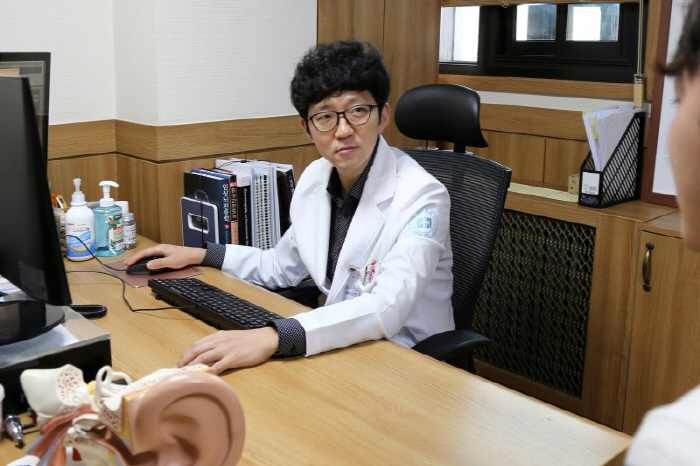
Yoon Seung-jae, section chief of Neurology at Seran General Hospital, said, "Stroke is a disease where prevention matters most. People should regularly manage their blood pressure, blood sugar, and cholesterol." He added, "To prevent stroke in summer, it is important to drink water regularly before feeling thirsty, avoid strenuous outdoor activity during extreme heat, and keep the temperature gap between indoors and outdoors from becoming too large."
Yoon emphasized, "People with high blood pressure, diabetes, hyperlipidemia, or a history of stroke need to pay especially close attention to brain health in summer. The same goes for adults aged 65 and older, smokers, and patients at higher risk of dehydration because they take diuretics." He continued, "If weakness appears in one arm or leg, speech becomes slurred, or one side of the face droops, seek medical attention immediately. Proper tests during the golden hour can help minimize long-term disability."
Jang Jong-ho, bellho@sportschosun.com