

[Sportschosun Jang Jong-ho] As temperatures rise, more people are worrying about body odor that comes with sweating.
It is easy to dismiss it as simple "sweat odor," but depending on the cause, body odor can signal an underlying condition. Here are three common types of odor that often appear in hot weather, along with their causes and ways to prevent them.
◇Armpit odor: If one parent has bromhidrosis, the child has a 50% chance of developing it
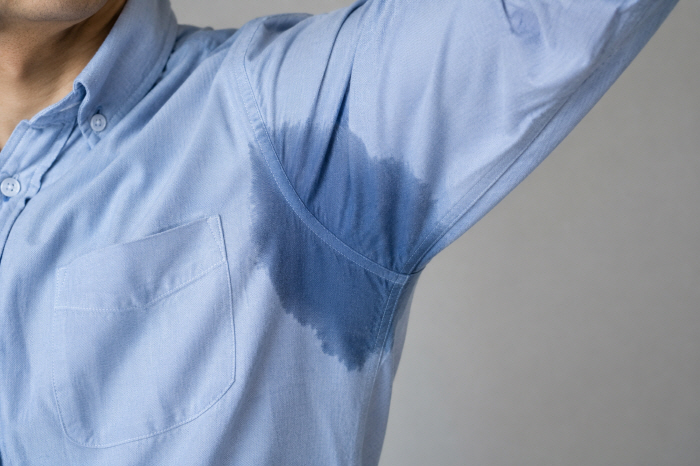
The most common odor people worry about is bromhidrosis, often called armpit odor. It is characterized by a sour or sharp smell from the underarms. The human body has eccrine glands, which regulate body temperature, and apocrine glands, which secrete sweat containing fat and protein. Bromhidrosis is mainly linked to the apocrine glands. Apocrine sweat itself is nearly odorless, but strong odor develops when bacteria on the skin surface break it down.
The underarms also have poor ventilation and high humidity, creating an environment where bacteria can multiply easily and intensify the smell.
Genetics also play a major role. If even one parent has bromhidrosis, the chance of passing it on to a child reaches 50%.
To prevent it, sweat should not be left on the skin for long, and the body should be dried thoroughly after showering. Wearing breathable clothing and trimming underarm hair can also help reduce bacterial growth.
If the odor is so severe that it affects relationships or daily life, it should not be dismissed as ordinary body odor. Severe bromhidrosis can be treated. Options include botulinum toxin injections, radiofrequency treatment, and sweat gland removal. If the smell suddenly becomes worse, it is important to check for hormonal changes or skin conditions.
◇Foot odor: Bacteria and dead skin, not sweat, are the main problem... athlete's foot can also be a cause
People often think sweat itself causes the smell, but the real culprits are bacteria and dead skin. Socks and shoes create a warm, enclosed, and humid environment where bacteria can thrive. As they break down sweat and old dead skin, a sour and unpleasant odor develops.
The smell becomes even worse when shoes with poor ventilation, such as dress shoes, sneakers, or rubber footwear, are worn for long periods.
Athlete's foot is another major factor that can worsen foot odor. The fungus damages the skin and increases dead skin buildup, creating a better environment for bacteria to grow.
For prevention, it is important to wash the feet well and dry them completely, including between the toes. Wet socks should be changed immediately, and instead of wearing the same shoes every day, it is better to rotate pairs and let them dry thoroughly. Removing old dead skin is also necessary.
If foot odor is accompanied by peeling skin, itching, or blisters, athlete's foot should be suspected. If left untreated, it can spread within the family and increase the risk of bacterial infection.
◇Bad breath: From oral disease to a sign of systemic illness
In hot weather, the mouth can become dry, allowing bacteria to multiply and making the odor worse.
The most common cause of bad breath is poor oral hygiene. When food debris and plaque remain in the mouth, bacteria multiply and produce sulfur compounds that cause odor. Gum disease, cavities, and tongue coating can also lead to bad breath.
However, bad breath should not be seen as only an oral problem. In many cases, it is caused by chronic sinusitis or tonsil stones.
If a person has gastroesophageal reflux disease, stomach acid and food can flow back up and cause odor. In rare cases, systemic diseases such as diabetes, liver disease, and kidney disease can also appear through specific smells. For example, a patient with diabetes may have a sweet or rotten-fruit odor, while liver dysfunction can produce a moldy or ammonia-like smell.
To prevent bad breath, it is important to brush thoroughly three times a day and use dental floss. A tongue cleaner should also be used to remove tongue coating, and enough water should be consumed to keep the mouth moist. Skipping meals or dieting too aggressively can reduce saliva production and worsen bad breath, so healthy eating habits are also important.
Professor Hong Sung-ok of Oral and Maxillofacial Surgery at Kyung Hee University Hospital at Gangdong advised, "If bad breath does not improve even after lifestyle changes, it is important to receive coordinated treatment with the relevant department, such as internal medicine, depending on the symptoms." She added, "It is best to recognize it as a sign that something may be wrong with your health and seek help from a specialist."
Jang Jong-ho, bellho@sportschosun.com