

[Sportschosun, Jang Jong-ho] Imaging tests are a key tool in modern medicine for accurately diagnosing diseases and determining treatment directions.
Common imaging tests used in hospitals include X-ray, computed tomography (CT), Magnetic Resonance Imaging (MRI), ultrasound examination (SONO), and Positron emission tomography-computed tomography (PET-CT). With help from Jo Young-gyu, head of the Department of Surgery and vice president for medical affairs at Seoul Western Hospital, this article summarizes the features and precautions of each imaging test.
◇X-ray: the most basic imaging test
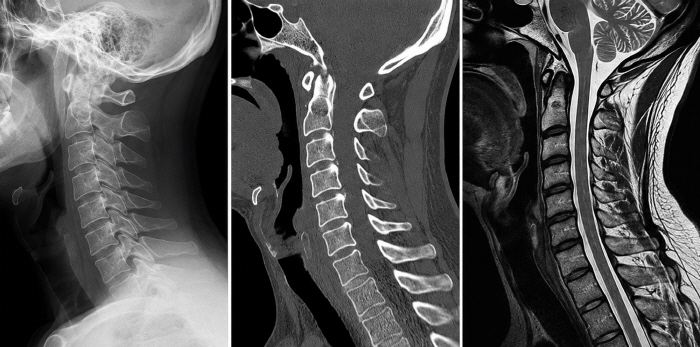
X-ray is the most basic test, using radiation to pass through the body and capture internal structures as images. It is mainly used to check fractures, joint abnormalities, and spinal deformities, or to evaluate chest diseases such as pneumonia, tuberculosis, and pneumothorax.
Because the test is quick and relatively inexpensive, it is widely used in health screenings. However, if there are metal objects such as rings, necklaces, watches, or belts in the area being scanned, they can create artificial shadows, or artifacts, on the image and interfere with accurate interpretation, so they should be removed in advance.
Women who are pregnant or may be pregnant must inform medical staff before the test because of concerns about radiation exposure.
◇CT: a core tool for emergency care and precise diagnosis
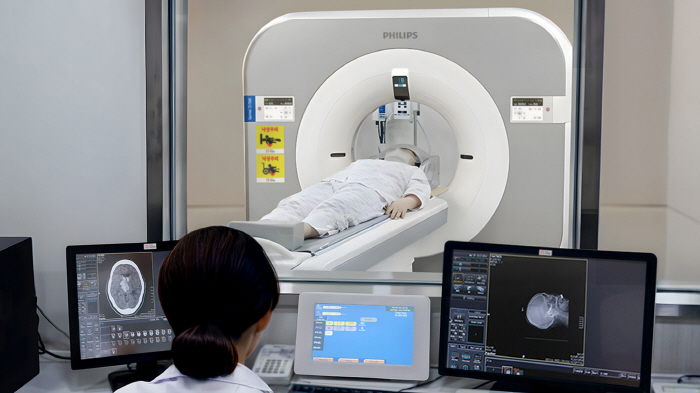
A CT scan takes X-ray images from multiple angles and reconstructs cross-sectional images with a computer. It plays an important role in emergency care because it can quickly diagnose brain hemorrhage, cerebral infarction, lung disease, abdominal disorders, and traumatic injuries.
It is also widely used to diagnose cancer, determine stage, and assess whether it has spread. In particular, it is useful for checking internal organ damage in trauma patients after car accidents or falls. CT scans that use contrast agents may require fasting for a certain period, and patients who have had allergic reactions to contrast agents in the past or who have impaired kidney function should consult medical staff before the test. Pregnant women should also carefully consider whether the test is necessary because of the risk of radiation exposure.
If an X-ray is like taking a front-facing photo of a building’s exterior, CT can be understood as slicing the building by floor and looking inside one layer at a time.
◇MRI: strong for diagnosing the brain, spine, and joints
MRI uses a strong magnetic field and radio waves to image the inside of the body, and it does not use radiation. It is useful for precisely evaluating the nervous system and soft tissues, including cerebral infarction, brain tumors, spinal diseases, disc problems, and ligament and cartilage injuries. Because it offers excellent tissue contrast, it is highly effective for detecting tiny lesions.
The most important issue in an MRI scan is checking for metal objects. Magnetic items such as rings, watches, hearing aids, dentures, and hairpins can be pulled into the equipment by the strong magnetic field or heat up, causing safety accidents.
Patients with implanted medical devices such as pacemakers, some cochlear implants, or certain metallic implants must confirm in advance whether the scan is possible.
◇Ultrasound examination: a safe test without radiation
Ultrasound examination uses high-frequency sound waves to observe the inside of the body in real time. Because it does not use radiation, it is relatively safe and can be performed without concern even for pregnant women and children. It is widely used to diagnose abdominal organs such as the liver, gallbladder, pancreas, and kidneys, as well as the thyroid, breast, uterus and ovaries, blood vessels, and musculoskeletal disorders. It is also considered an essential prenatal test for checking fetal growth.
For abdominal ultrasound, fasting is often required before the test to reduce intestinal gas and accurately assess the gallbladder. By contrast, bladder and prostate examinations require the bladder to be full, so patients should drink plenty of water before the test.
◇PET-CT: an important tool for cancer diagnosis and treatment evaluation
PET-CT is a test that images cellular metabolic activity after a radiopharmaceutical is injected into the body. It identifies the location and activity of cancer by taking advantage of the fact that cancer cells consume more glucose than normal cells.
It is widely used not only for cancer diagnosis but also for staging, checking for metastasis, evaluating treatment response, and monitoring recurrence. While CT shows the structure of the body, PET-CT differs in that it evaluates cellular function and metabolic status.
Accurate testing requires fasting for a certain period, and blood sugar control is important. In particular, patients with diabetes should discuss the test schedule and medication plan with medical staff in advance. Pregnant women should carefully decide whether to undergo the test, taking into account the effects of using radiopharmaceuticals.
◇Each test has a different role, so it is selected according to medical necessity
Recently, the introduction of advanced imaging equipment incorporating artificial intelligence (AI) has further improved image quality and diagnostic support functions.
However, even helpful imaging tests can become harmful if overused.
Repeated X-ray, CT, and PET-CT scans increase radiation exposure. In addition, contrast-enhanced tests can, in rare cases, cause allergic reactions if used excessively, and patients with reduced kidney function may face a risk of worsening disease.
Accordingly, medical staff conduct tests with patient safety as the top priority, following the As Low As Reasonably Achievable (ALARA) principle, which means minimizing radiation exposure as much as possible within the range needed for diagnosis.
Sometimes, receiving several tests in a short period or undergoing repeat testing can raise concerns about possible over-treatment.
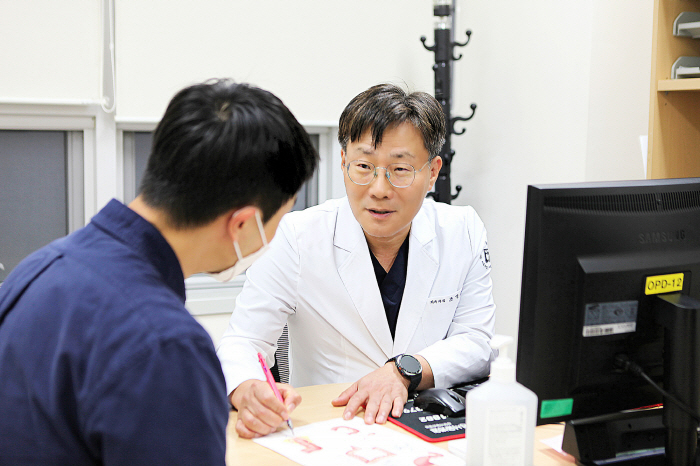
In response, Jo Young-gyu explained, "Imaging tests each provide different types of information, so they are often used in a complementary way to determine an accurate diagnosis and treatment direction." He added, "If one test alone is not enough for a clear diagnosis, additional tests may be needed. Follow-up tests are also sometimes performed over a certain period to check the course of a disease after treatment or to evaluate treatment effectiveness."
Jang Jong-ho, bellho@sportschosun.com