

[Sportschosun, Jang Jong-ho] A male employee in his 50s, identified as A, spends nine to 10 hours a day looking at a monitor because of the nature of his marketing work. But a few months ago, his eyes began to feel dry and blurry. By afternoon, his focus would fade, and after work he felt so exhausted that it was hard to keep his eyes open.
At first, he thought it was just fatigue. But over time, headaches and shoulder stiffness also developed.
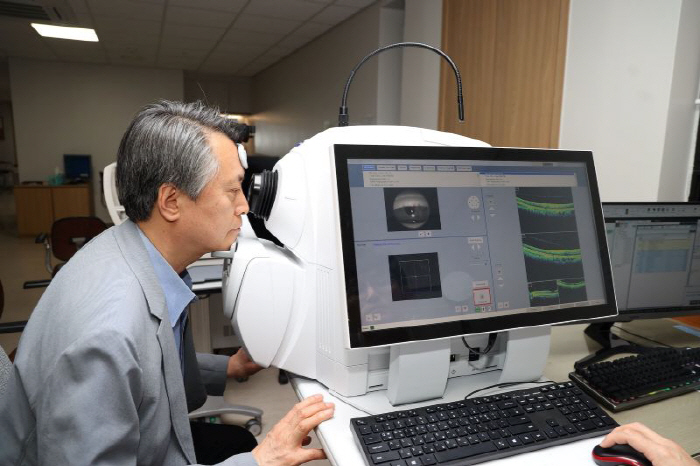
After examinations in ophthalmology and rehabilitation medicine, he was diagnosed with Computer Vision Syndrome and dry eye disease caused by prolonged screen use.
A female employee in her 40s, identified as B, used a keyboard and mouse all day for accounting work. After work, she would often play games to relieve stress.
Then, at some point, objects began to look blurry. She visited an eye clinic and was told that she had dry eye disease caused by Computer Vision Syndrome.
Many office workers spend most of their workday looking at computer monitors and smartphone screens. In summer, the risk of Computer Vision Syndrome can rise further as air conditioning adds to work environments that already require long hours in front of a monitor. Workers who stare at screens for eight to nine hours a day and then continue using smartphones after work may experience dry eye disease, eye strain and headaches.
Computer Vision Syndrome refers to physical and mental symptoms that appear when people use digital devices such as computers and smartphones for long periods. Common eye-related symptoms include dry eye disease, fatigue, redness, glare and a foreign-body sensation.
Office workers tend to feel more eye strain in the afternoon because the burden on the eyes' focusing function builds up after hours of near work starting in the morning. When people stare at close objects for long periods, the ciliary muscles that control the thickness of the lens remain tense. If this continues, it can slow focus changes and cause blurred vision.
In summer, air conditioning can sharply lower indoor humidity and dry out the air, making dry eye disease worse. Direct exposure to air conditioner drafts can quickly dry the tear film, and focusing on a screen reduces blinking, which can further dry the eye surface. These symptoms may be more pronounced in contact lens users or office workers who spend long hours indoors. If afternoon blurriness and vision problems continue, it is important to review daily habits and see an ophthalmology specialist.
If symptoms keep recurring but are dismissed as simple fatigue or temporary dryness, dry eye disease can become chronic. In that case, the tear film becomes unstable, causing tiny injuries to the eye surface. Blurred vision may recur, and the condition can progress to eye diseases such as Keratoconjunctivitis.
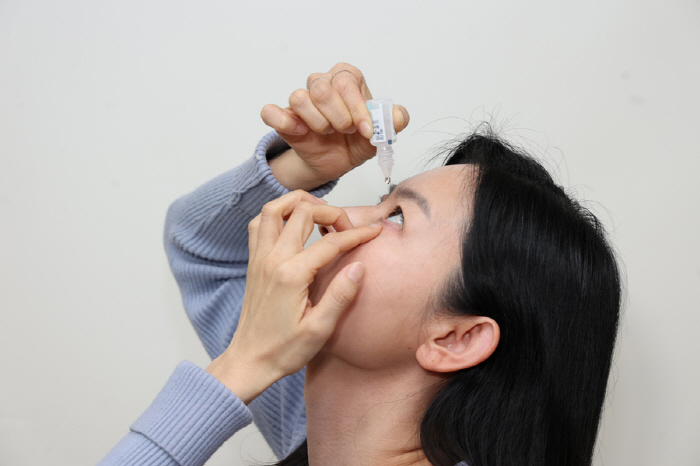
The basic treatment for dry eye disease is to replenish insufficient tears with artificial tears. Depending on the symptoms and cause, treatment may also include controlling inflammation of the eyelids and eye surface. Artificial tears containing lubricating ingredients can reduce friction on the eye surface and stabilize the tear film, helping ease surface damage. Artificial tears with lipid ingredients can protect the tear-film lipid layer and reduce evaporation.
To prevent Computer Vision Syndrome and dry eye disease, it is helpful to look into the distance for a short time every hour and relax the eyes. Screen brightness should be adjusted to match the surrounding environment, and computer monitors should be placed slightly below eye level. Maintaining proper indoor humidity and making a conscious effort to blink more often can also help prevent dry eye disease.
Ko Kyung-min, a specialist at the Cornea Center of Kim's Eye Hospital, said, "If your eyes become blurry in the afternoon, your focus does not adjust well, or your eyes feel irritated, it may be a sign of Computer Vision Syndrome, including dry eye disease, rather than simple fatigue." He added, "In particular, office workers find it difficult to reduce digital device use because of the nature of their work, so if symptoms keep recurring, it is important to review daily habits and receive proper treatment from an ophthalmology specialist."
Jang Jong-ho, bellho@sportschosun.com