

[Sportschosun Jang Jong-ho] At the 2026 FIFA World Cup, the real concern is not late-night snacking, but careless weight gain. With South Korea national football team group-stage matches scheduled for the morning, late-night chicken-and-beer cheering will be less common. However, sweet coffee, bread, and snacks consumed while watching the games could pile up and trigger warning signs for weight management. In particular, matches held between 10 a.m. and 11 a.m. overlap with a time when hunger tends to build, so people need to watch out for calories consumed without thinking.
◇"A few snacks won't hurt?" ... Pre-meal snacking can lead to overeating at lunch
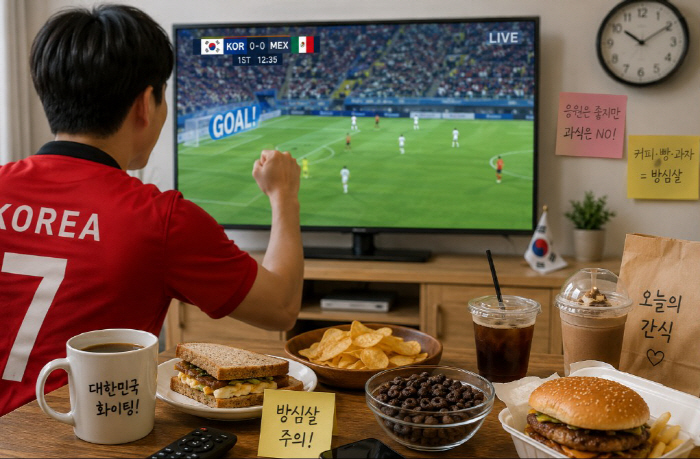
When match time falls between 10 a.m. and 11 a.m., it overlaps with the period when hunger builds between breakfast and lunch. Snacks that are close to natural foods, such as a small handful of nuts, boiled eggs, Greek yogurt, and fruit, can help control hunger and reduce overeating at the next meal. But snacks often enjoyed while watching a game, such as chips, bread, fried foods, processed meat, and sweet drinks, are high in sugar, fat, and sodium, making overconsumption more likely.
People also tend to eat more without realizing it when they are fully absorbed in a match. In particular, snacks with strong sweet or salty flavors can stimulate appetite and affect how much they eat later. Even after eating enough snacks in the morning, many people still eat lunch as usual or end up craving more stimulating and greasy foods.
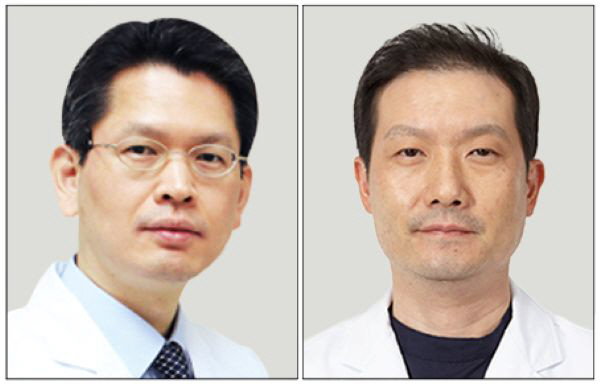
Park Yoon-chan, head hospital director at Busan 365mc Hospital, said, "The problem is not the snacks eaten while watching a game, but the fact that the amount quietly increases." He added, "Even if you do snack, it is important to consciously manage how much you eat by putting food on a small plate and drinking water instead of sweet beverages." He also noted, "Office workers in particular should pay close attention to snack portions and calories, as low activity levels can affect weight gain and blood sugar control."
◇If you want a healthy World Cup, managing your daily routine matters more than cheering
To enjoy the World Cup in a healthy way, it is more important to keep your daily habits from falling out of rhythm than to focus only on watching the matches. Morning and daytime games often overlap with work hours, making meals, hydration, and physical activity more irregular.
During matches, it is best to avoid sitting in one position for too long. Taking a light walk or stretching for about 5 to 10 minutes during half-time or a hydration break, or after the game ends, can help make up for reduced activity. Moving after meals can also help ease sharp spikes in blood sugar.
Hydration is also important. Many people mistake thirst for hunger and end up reaching for unnecessary snacks, so it is a good idea to keep water nearby and sip it regularly while watching the game. On the other hand, repeatedly drinking sugary beverages or coffee can increase unnecessary calorie intake.
It is also important not to let excitement or stress from the result of a match lead to more eating. When emotions run high, food intake can increase regardless of how full you feel. Win or lose, it is better to return to your usual meal pattern after the game and avoid the habit of rewarding yourself with food.
◇If you gain weight during the World Cup, deal with it before it turns into fat
During the World Cup, many people gain weight as they eat more while watching matches and move less. If this pattern continues, fat can accumulate in specific areas such as the abdomen or thighs even over a short period, leading to changes in body shape.
Not all of the weight gained is body fat. Water retention caused by salty foods and increased carbohydrate intake, as well as food residue, can also affect body weight. If this continues, excess calories are more likely to be stored as body fat, so it is important to review meals and activity levels and adjust daily habits.
In particular, people should be careful not to let snack-heavy and delivery-food-centered eating habits formed during the World Cup continue after the tournament. The bigger problem is not the short-term weight gain itself, but the habit pattern that caused it becoming fixed.
Director Park said, "If your weight has increased, it is important to look first at the cause rather than simply reacting to the number on the scale." He added, "It is important to reduce snacking, normalize meal patterns, and consciously increase daily activity to restore energy expenditure, such as walking after meals, using the stairs, or doing bodyweight strength exercises after work."
He continued, "If a specific area remains enlarged or body shape changes persist for more than two to three weeks after normalizing your habits, it may not be a temporary change but rather a state in which some fat has accumulated." He added that body-shaping treatment, including stricter diet control, more intense exercise, or procedural and surgical methods such as Liposuction, could also be considered.
Jang Jong-ho