

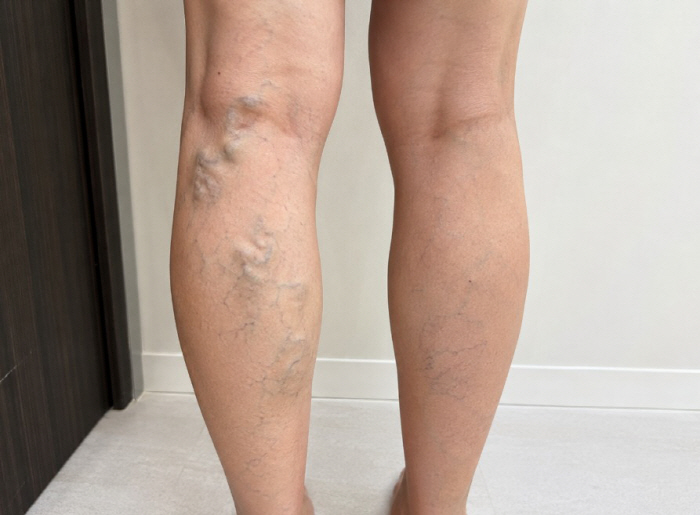
[Sportschosun reporter Jang Jong-ho] Varicose veins are common in adults, but many people mistake them for simple fatigue or muscle pain and leave them untreated.
In the early stages, symptoms may be limited to visible spider veins, leg swelling, numbness, or a burning sensation in the soles of the feet. If left untreated, however, the veins can become visibly bulging, and swelling and pain can worsen. In severe cases, complications such as skin pigmentation, dermatitis, thrombophlebitis, and skin ulcers may develop, making early diagnosis and treatment important.
Varicose veins occur when the valves in the leg veins weaken, allowing blood to flow backward. In summer, rising temperatures cause blood vessels to expand. As a result, blood stays in the veins longer, and symptoms such as leg swelling and pain can become more pronounced.
Risk factors include jobs that require long periods of standing, prolonged sitting, obesity, pregnancy, and a family history of the condition. In women, pregnancy and hormonal changes can make veins more likely to expand, increasing the risk.
Treatment for varicose veins depends on the severity of symptoms and the condition of the blood vessels. In the early stages, moderate exercise, rest, and wearing compression stockings can be effective.
When symptoms are severe, removing the function of the great saphenous vein, which has lost its function due to reflux, can help. Depending on the condition of the vessels, various procedures such as vein stripping, local phlebectomy, laser surgery, and sclerotherapy may be performed. Thanks to recent advances in treatment, patients can return to daily life immediately after surgery, and scarring is minimal.
For prevention, it is important not to stay in the same position for too long and to walk or move the calf muscles regularly to support venous circulation.
Tight clothing and shoes that constrict the knees should be avoided, and regular walking exercise and maintaining a healthy weight can also help. If you must stand or sit for long periods, it is advisable to stretch from time to time and rest with your legs raised above heart level. A low-salt diet, along with avoiding smoking and excessive drinking, is also recommended.
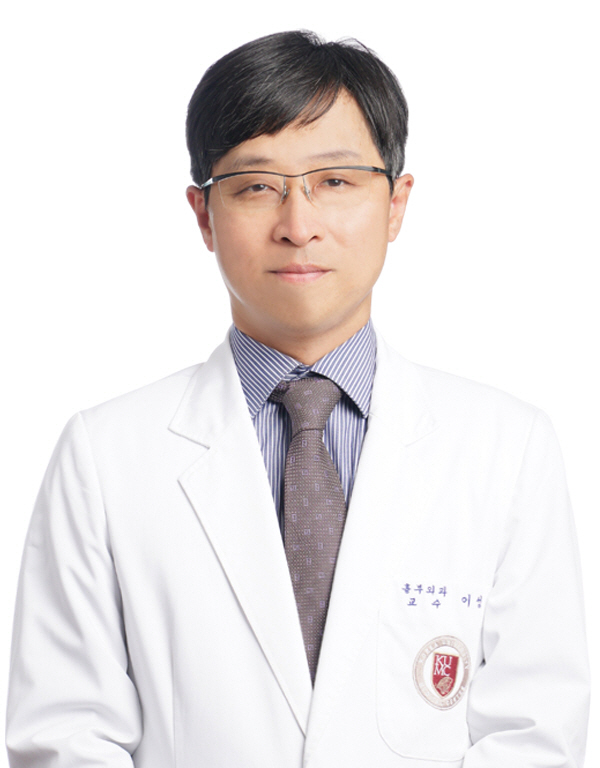
Professor Lee Seong-ho of the Department of Thoracic and Cardiovascular Surgery at Korea University Anam Hospital said, "If varicose veins become severe, they can even lead to deep vein thrombosis, so proper diagnosis and treatment are necessary." He added, "If symptoms of varicose veins appear, patients should visit a hospital, receive a specialist's diagnosis, and actively seek treatment by finding the right therapy for themselves."
Jang Jong-ho bellho@sportschosun.com