


[Sportschosun Jang Jong-ho] Nasal congestion, runny nose, and nosebleeds are common symptoms that most people experience at least once. In most cases, they are caused by inflammatory conditions such as rhinitis or sinusitis.
However, if the symptoms persist, it is important to consider the possibility of a tumor.
In particular, if nasal congestion or nosebleeds keep occurring on only one side, it may be necessary to suspect a sinonasal tumor.
Sinonasal tumors are a general term for tumors that develop in the nasal cavity and paranasal sinuses. They are broadly divided into benign and malignant tumors. Benign tumors include inverted papilloma, hemangiofibroma, and osteoma. Inverted papilloma, in particular, requires caution because it has a high recurrence rate and can progress to a malignant tumor in some cases. Malignant tumors are commonly referred to as sinonasal cancer and include squamous cell carcinoma, adenocarcinoma, olfactory neuroblastoma, and mucosal melanoma.
According to National Cancer Registration Statistics from the Korea Central Cancer Registry (KCCR), there were 501 new cases of sinonasal cancer in 2023, or about one case per 100,000 people. While the incidence is not high, the disease should not be dismissed simply because it is rare. If it progresses, sinonasal cancer can cause serious complications such as vision loss, double vision, bulging eyes, facial numbness, and cranial nerve palsy. Depending on the tumor’s location and extent, it can also lead to facial deformity and impaired functions such as eating and speech.
The problem is that the early symptoms are similar to those of ordinary rhinitis or sinusitis. The most common symptom is nasal congestion, and patients may also experience persistent runny nose, repeated nosebleeds, and reduced sense of smell. Rhinitis and sinusitis usually affect both sides, but sinonasal tumors often begin in one nasal cavity or sinus. If one-sided symptoms continue for a long time or do not improve with standard rhinitis treatment, a specialist consultation is needed.
Although the exact cause has not yet been identified, prolonged exposure to harmful substances such as wood dust, leather dust, nickel, chromium, and formaldehyde has been reported as a risk factor for some malignant tumors. In addition, inverted papilloma is known to be associated with human papillomavirus (HPV) infection.
If a sinonasal tumor is suspected, the first step is nasal endoscopy. This allows doctors to directly examine the inside of the nasal cavity and check whether a tumor is present, as well as its location and size. If a suspicious lesion is found during the examination, a biopsy is performed to determine the tumor type and whether it is malignant. However, if a vascular tumor is suspected, imaging tests are performed first because of the risk of bleeding, and then doctors decide whether a biopsy is necessary. CT and MRI scans are then used to assess how far the tumor has spread and whether it has invaded nearby bone, the orbit, or brain tissue, helping doctors establish a treatment plan.
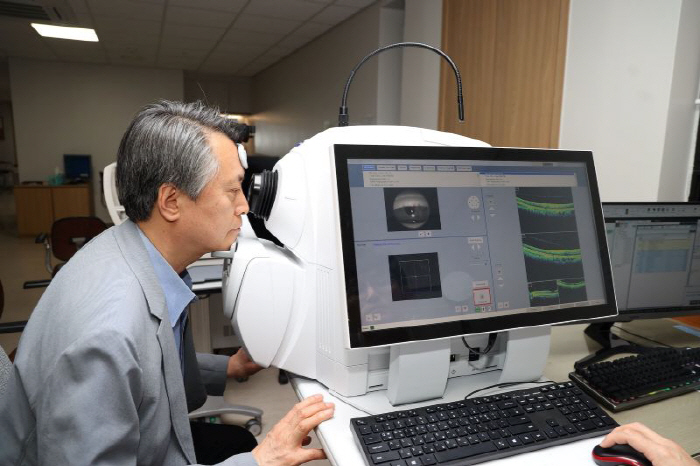
Professor Kim Dong-hyuk of the Otolaryngology-Head and Neck Surgery Department at Korea University Ansan Hospital said, "The treatment approach is determined by considering the tumor type, stage, and location together." He added, "For benign tumors, surgical removal is the first option. For malignant tumors, treatment methods such as surgery, radiation therapy, or chemotherapy are selected depending on the histological classification and stage."
He also said, "Thanks to recent advances in endoscopy and imaging technology, some tumors can now be treated with endoscopic surgery through the nose alone, which reduces the burden on patients." He emphasized, "Most importantly, the earlier the disease is detected, the broader the treatment options and the better the chances of preserving function. If suspicious symptoms persist, it is important to see a specialist."
There is currently no way to completely prevent sinonasal tumors. However, for people working in industries such as woodworking or leather manufacturing, repeated exposure to wood or leather dust may increase the risk of malignant tumors. Wearing protective equipment at the workplace and minimizing exposure to harmful chemicals and dust may help reduce risk factors.
Jang Jong-ho, Sportschosun, bellho@sportschosun.com