

[Sportschosun Jang Jong-ho] The development of a gene therapy for inherited retinal diseases is drawing closer.
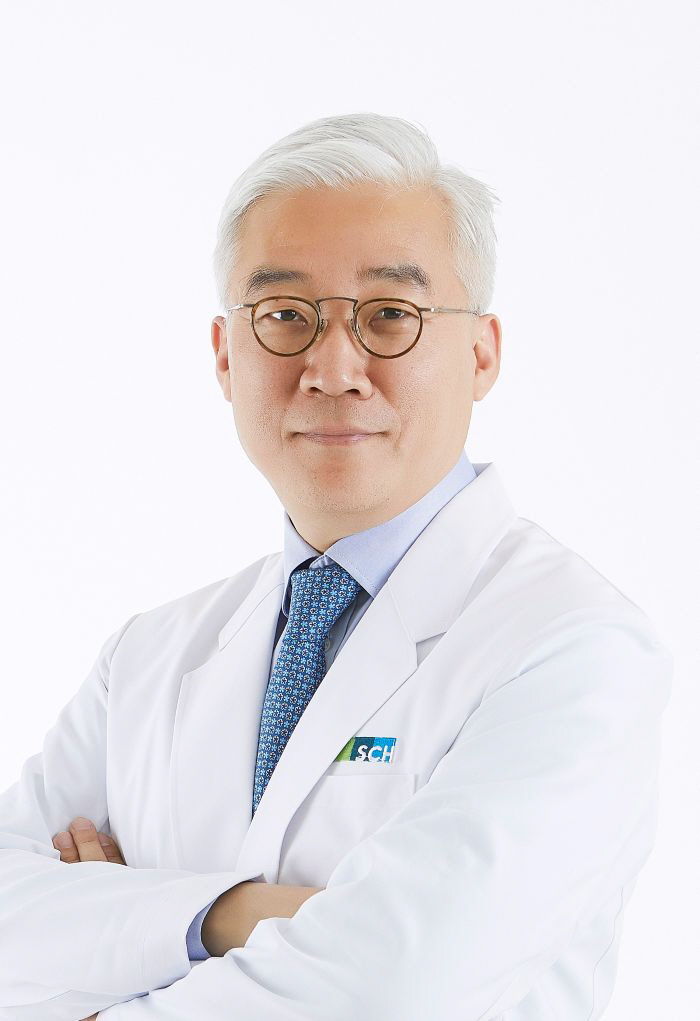
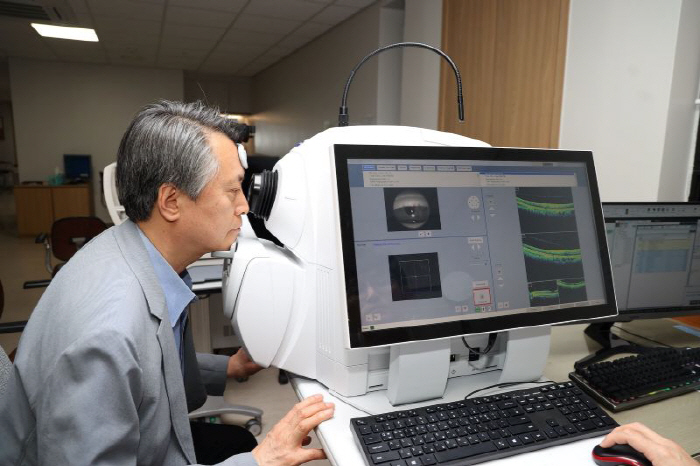
A research team led by Professor Park Tae-kwan of the Department of Ophthalmology at Soonchunhyang University Bucheon Hospital, the Retinal Degeneration Molecular Therapy Lab, said on the 22nd that it has joined the Gene and Cell Therapy Research Group Project led by the Korea Research Institute of Bioscience and Biotechnology (KRIBB) and has begun work on developing South Korea's first gene therapy for inherited retinal diseases.
Inherited retinal diseases are rare disorders caused by genetic defects that can lead to symptoms such as night blindness and tunnel vision from childhood. Some cases progress to blindness. More than 300 genes are currently known to cause blindness, and the number of patients in South Korea is estimated at around 15,000 to 20,000.
Leading state-funded research institutes in South Korea, including the Korea Research Institute of Bioscience and Biotechnology (KRIBB), have been promoting the Gene and Cell Therapy Research Group Project since May 2024 as part of the Global TOP Strategy Research Group Project.
Professor Park is participating in the project and is conducting mouse efficacy studies on gene therapy candidates developed by KRIBB. He is also leading preparations for clinical research, the final validation stage in the development of a gene therapy for inherited retinal diseases, with a target launch in 2029.
Among the gene therapy candidates being developed by the research group, the most advanced one targets X-linked juvenile retinoschisis.
The disease is a genetic disorder mainly found in school-age boys. It causes the retinal layers, which act like the camera's film, to split horizontally, blocking neural transmission from retinal nerve cells. As it gradually progresses, many patients eventually become legally blind. Clinical studies are under way in the United States and China, but the research group is working to develop a treatment that is superior to existing therapies, has fewer side effects and is better suited to Korean patients.
Through this project, Professor Park is conducting the world's first mouse-model study to identify the causes of retinoschisis and vision loss. He is also selecting the final candidate among multiple gene therapy materials being developed by KRIBB for actual administration to patients in clinical studies. If safety is confirmed through preclinical toxicity studies, the team plans to seek approval from the Ministry of Food and Drug Safety and begin clinical research on actual patients in the first half of 2029.
Professor Park's team is recruiting patients who wish to participate in the clinical study for X-linked juvenile retinoschisis at Soonchunhyang University Bucheon Hospital. Interested patients can visit the hospital's ophthalmology department to register as a "clinical study interested patient," and suitable candidates will then be selected for the study.
In addition to X-linked juvenile retinoschisis, Professor Park is also conducting research on gene therapy development for Leber congenital amaurosis and Stargardt disease as part of a national R&D project led by the National Research Foundation of Korea (NRF).
Professor Park Tae-kwan said, "I hope as many patients with inherited retinal diseases as possible will have a new treatment opportunity through participation in clinical studies." He added, "At present, a wide range of gene therapy development studies for inherited retinal diseases are actively under way through joint industry-academia-research efforts in South Korea. Multiple clinical studies are expected to begin within the next five years, and I believe it will soon be possible to develop domestically produced treatments for inherited retinal diseases that are common in South Korea."
Meanwhile, since 2007, Professor Park worked as a postdoctoral researcher at the National Eye Institute (NEI) under the National Institutes of Health (NIH) in the United States, where he conducted gene therapy research under the guidance of Professor Paul A. Sieving, a world-leading authority in the field of gene therapy for X-linked juvenile retinoschisis. He later participated in subsequent clinical studies. Through this project, he drew attention for identifying the cause of retinoschisis in mouse models and is regarded as one of the world's top experts.
Jang Jong-ho bellho@sportschosun.com