


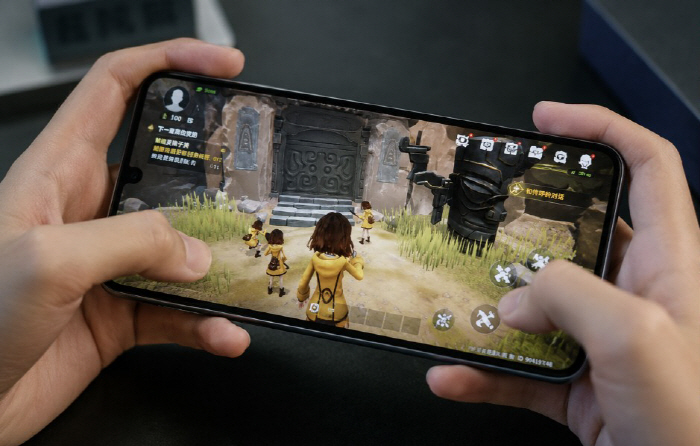
[Sportschosun Reporter Jang Jong-ho] A 13-year-old grandson has sparked outrage after it was revealed that he spent all of his grandfather's hospital money on mobile game items.
According to Chinese media outlets, including Jimu News, a 70-year-old man identified as A, who lives in Kaifeng, Henan Province, was shocked after checking the bank account where he had saved money for hospital treatment. Only 0.18 yuan, or about 40 won, was left in the account.
He suffers from uremia and cerebral infarction, and earned about 6,000 yuan, or roughly 1.3 million won, by selling garlic he had grown himself.
He had planned to use the money for hospital treatment after paying labor costs.
In an interview with local media, Jang said, "I sold garlic that I had carefully grown for a year, and when I heard that only 0.18 yuan was left in the account, I felt the world go dark and eventually collapsed."
He added, "I am currently suffering from cerebral infarction and uremia," and said, "I was in so much pain that I even thought I would rather die."
The person responsible for spending the hospital money was none other than his 13-year-old grandson.
The boy reportedly used the money to buy items and skins while playing a popular mobile game.
Through tears, the boy explained why he had spent so much money on games, saying, "All of my friends showed off their game skins," and "If I didn't have skins, they would mock me for being poor or give me nicknames."
He also said, "I wanted to make more friends, and at first I only meant to make a small payment, but once I started, I couldn't stop," adding, "One friend boasted that he had already spent more than 30,000 yuan on games, and I didn't want to fall behind."
As the controversy spread, the game operator's response also drew public anger.
The company's customer service center said, "We do not have direct access to the facial recognition database to verify whether the user is a minor," and added, "It appears that the boy used his grandfather's identity information to access the game and make payments."
However, it reportedly failed to give a clear answer when asked whether payments made using another person's identity information had gone through the proper procedures.
The case is now fueling public debate over minors' in-game spending, the competitive culture surrounding game items, and loopholes in identity verification systems.
Jang Jong-ho bellho@sportschosun.com