


[Sportschosun Jang Jong-ho] As the early summer heat sets in, hand, foot and mouth disease (HFMD) is showing signs of a full-scale outbreak.
HFMD is highly contagious and tends to spread quickly in group settings such as daycare centers and kindergartens. With help from Professor Yoon Ki-uk of the Department of Pediatrics at Seoul National University Hospital, we summarize the disease’s features, how it compares with chickenpox, and how to prevent it.
◇Common in infants and toddlers under 5... blisters and pain on the hands, feet and mouth
HFMD is usually caused by enterovirus infections, including Coxsackievirus A16 and Enterovirus A71. It commonly affects infants and toddlers under 5 whose immune systems are still weak, and it is a typical summer infectious disease that begins in May and peaks in August.
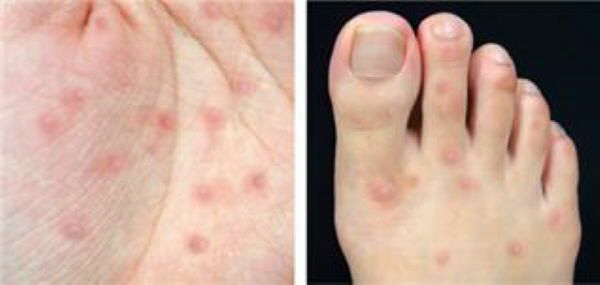
After an incubation period of three to five days, HFMD causes early symptoms such as a mild fever, sore throat and loss of appetite. Painful blisters and ulcers then appear on the oral mucosa, including the tongue, palate, gums and the inside of the lips. In severe cases, children may drool because the pain makes it hard to swallow saliva. At the same time, red blister-like rashes typically appear on the backs of the hands and feet, the palms and soles, and the buttocks.
HFMD is often confused with chickenpox because the symptoms are similar, but the causes and patterns differ. Chickenpox is caused by infection with the varicella-zoster virus. The rash usually starts on the face or torso and spreads across the body, later turning into blisters, pustules and scabs, often accompanied by itching.
◇Spread through direct contact and droplets... watch for dehydration
HFMD is mainly transmitted through direct contact with an infected person’s stool, saliva, nasal discharge or sputum, as well as through droplets from coughing or sneezing. It can also spread easily through indirect contact in environments where shared items such as toys, playground equipment and door handles are used.
The disease is most contagious for about one week after symptoms begin, and the virus can continue to be shed in stool for more than eight weeks. Even after symptoms improve and children return to daycare or kindergarten, strict hand hygiene and other personal hygiene measures are still necessary.
Most cases of HFMD improve naturally within three to seven days, but dehydration can occur if mouth pain reduces fluid and food intake. If a child refuses to eat, spicy or salty foods and acidic drinks should be avoided because they can worsen the pain. Instead, soft and cool foods such as well-cooled rice porridge, congee, milk and yogurt can help relieve discomfort and replenish fluids.
If a child does not urinate for more than eight hours, or if tears do not come out when crying and the lips become dry, appropriate treatment such as intravenous fluids is needed.
◇If high fever, seizures or reduced consciousness occur, complications should be suspected
Although most cases have a good prognosis, complications can occur in rare cases. If a high fever persists or repeated vomiting, seizures or reduced consciousness appear, the condition may progress to aseptic meningitis, encephalitis or myocarditis. In such cases, immediate emergency care or medical attention is recommended.
There is currently no vaccine or treatment for HFMD, so personal hygiene is the most effective way to prevent infection. It is important to wash hands with running water and soap after going out, before and after meals, and after changing diapers, and to keep toys, door handles and other items children touch frequently clean.
Professor Yoon Ki-uk said, "If HFMD is suspected or diagnosed, the most effective way to prevent further spread is to keep children out of daycare centers, kindergartens and other group settings until their contagiousness has weakened."
Jang Jong-ho, bellho@sportschosun.com