[Sportschosun, Reporter Jang Jong-ho] In summer, people spend more time outdoors, making it easy to get small cuts on the skin from bug bites or scrapes. When sweat and humid conditions weaken the skin barrier, bacteria can enter the body and lead to cellulitis, so extra caution is needed.
According to statistics from the Health Insurance Review & Assessment Service (HIRA), the number of cellulitis patients rose steadily from 1,161,200 in 2022 to 1,219,137 in 2025.
Monthly treatment figures for 2024 also showed a steady increase from 100,644 patients in February, with the highest numbers recorded in July at 152,418 and in August at 154,189. That was about 53% higher than in February.
Cellulitis is an infectious disease caused by bacteria such as group A hemolytic streptococcus or Staphylococcus aureus invading the skin and soft tissue. It is also known as erysipelas or phlegmon. The infection can develop when bacteria enter through damaged skin barriers caused by scrapes, cuts, puncture wounds, burns, athlete's foot, or insect bites. In rare cases, cellulitis can occur even without any obvious skin wound.
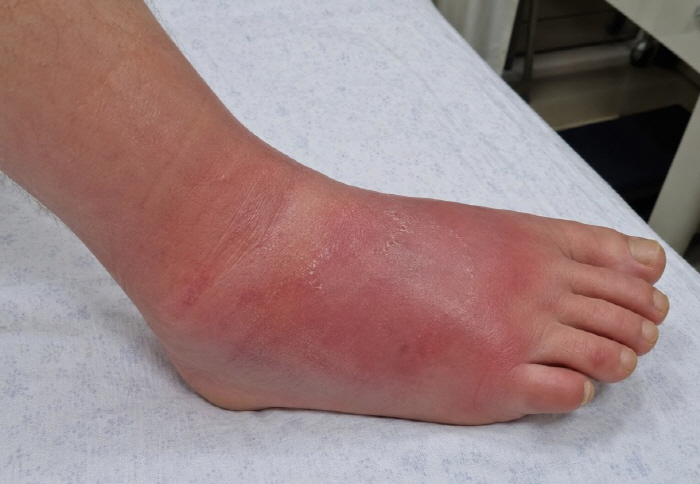
In the early stage, symptoms such as fever, chills, headache, and muscle aches may appear, resembling a cold. Later, the skin around the infected area becomes red, warm, swollen, and painful, and the redness gradually spreads to surrounding skin. As the condition worsens, blisters or pus may form, and the swelling can become severe. In some cases, pressing the skin with a finger leaves a temporary indentation, known as pitting edema.
Cellulitis is usually diagnosed based on symptoms and the appearance of skin lesions. It is generally treated with antibiotics, and if pus forms under the skin, incision and drainage may be necessary. Hospital treatment may be required if systemic symptoms such as high fever or chills are severe, if the infection spreads rapidly, or if there is no improvement with oral antibiotics.
Yoo Seong-ho, head of the Foot Center at Daedong Hospital and an orthopedic surgery specialist, said, "Cellulitis can occur regardless of the season, but extra caution is needed in summer, when outdoor activities, hot and humid weather, and bug bites increase the risk of bacterial infection." He added, "In particular, the legs are the part of the body closest to the ground. In summer, people often wear sandals or slippers and short bottoms, which increases skin exposure and makes small cuts more likely. Athlete's foot is also common, so this is a time when the risk of cellulitis rises."
He continued, "People often mistake it for a simple bug bite or skin inflammation in the early stage and miss the right time for treatment." He emphasized, "If left untreated, the infection can spread quickly. In some patients, including older adults, people with underlying conditions such as diabetes, or those with weakened immunity, it can lead to serious complications such as severe infection or sepsis, so the symptoms should not be taken lightly."
To prevent cellulitis, it is important not to dismiss even small cuts on the skin. Avoid scratching bug bites too hard, and if a wound such as a scrape occurs, wash it thoroughly under running water and disinfect it instead of leaving it untreated.
In summer, people spend more time wearing sandals or slippers, which makes foot injuries more likely. It is important to prevent cuts on the feet and check for wounds after going out. Athlete's foot and cracked skin between the toes can also become entry points for bacteria, so proper treatment is necessary.
When shaving or removing body hair, keep razors and other tools clean and be careful not to injure the skin. Also, do not wear sweat-soaked clothes, shoes, or socks for long periods; change them frequently to keep the skin clean and dry. After showering, dry thoroughly, including between the toes, so that a humid environment does not persist.
In particular, people with diabetes, athlete's foot, lymphedema, peripheral vascular disease, weakened immunity, or those aged 65 and older face a relatively higher risk of cellulitis even from minor cuts. They should closely monitor their skin condition and seek medical attention early if any unusual symptoms appear.
Jang Jong-ho, bellho@sportschosun.com