

[Sportschosun reporter Jang Jong-ho] A foreign study has found that some oral contraceptives may trigger binge eating.
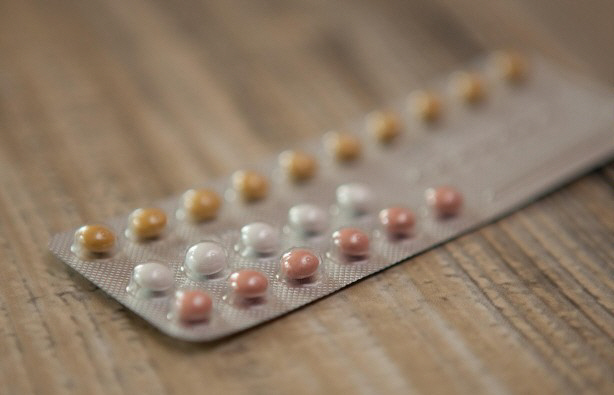
A joint research team from the United States and Canada recently published its findings in the international journal JAMA Network Open after tracking changes in eating habits for 49 days among 422 women taking the Combined Oral Contraceptive Pill.
According to the study, levels of emotional eating increased significantly during periods when the pill contained active hormones.
The same pattern was observed repeatedly across two contraceptive cycles, and the results remained unchanged even after statistically adjusting for participants' mood and stress levels.
The combined oral contraceptive contains both Estrogen and Progestin, a synthetic form of Progesterone. This creates a hormonal environment similar to the luteal phase after ovulation.
The luteal phase is known as a period in the female menstrual cycle when appetite and binge-eating behavior tend to increase. The researchers said the findings suggest that it may be the combination of the two hormones, rather than Estrogen or Progesterone alone, that affects appetite regulation and eating behavior.
However, the researchers cautioned, "These findings should not be overinterpreted." They explained, "We did not directly measure participants' actual blood hormone levels in this study, so we could not clearly prove a causal link between hormonal changes and changes in eating habits. Also, because this was an observational study, we cannot conclude that birth control pills directly cause emotional overeating."
They also noted that synthetic hormones can remain in the body for hours to days, meaning some hormonal effects may have continued even during the inactive pill period. The researchers said, "Not all women are affected in the same way," and added, "Further research is needed to determine which women are more strongly affected and whether other contraceptive methods can reduce this risk."
Experts added that the study does not undermine the safety of the combined oral contraceptive, but instead offers new clues for understanding how hormonal changes affect appetite and emotional regulation.
Jang Jong-ho, reporter, bellho@sportschosun.com