

[Sportschosun Jang Jong-ho] The historical traces of the so-called "Death Railway," built by Allied prisoners of war through forced labor during World War II, have reemerged in Thailand after 40 years, drawing attention.
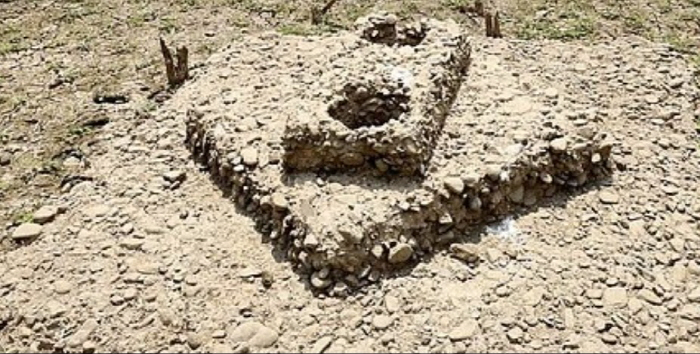
According to foreign media outlets, including the Daily Mail, Natee Station in western Thailand has resurfaced after the water level of a reservoir dropped sharply due to dam repair work, attracting interest from researchers and tourists around the world.
During World War II, Natee Station served as a key supply and fueling hub on the Thailand-Burma Railway, which connected Thailand and Myanmar.
However, in the early 1980s, the surrounding area was turned into a reservoir and was submerged for about 40 years.
Earlier this year, the Electricity Generating Authority of Thailand released large amounts of water from the reservoir for maintenance work on a nearby dam, bringing the long-hidden historical site back into view.
Photos released publicly show parts of the railway tracks and structures once used for vehicle maintenance and operations still remaining relatively clearly.
In particular, a concrete inspection structure found south of a track-switching point was confirmed to have retained much of its original form. Researchers say it is an extremely rare relic that shows the railway as it was at the time, given that most stations have since been renovated or demolished.
The Death Railway was built by the Japanese military from October 1942 to October 1943 to transport military supplies. The line stretches about 414 kilometers, connecting Nong Pladuk in western Thailand and Thanbyuzayat in southeastern Myanmar.
About 250,000 people are believed to have been mobilized for the construction. Among them were about 60,000 Allied prisoners of war from the United Kingdom, the United States, Canada and other countries, as well as hundreds of thousands of laborers from Indonesia and other Southeast Asian nations who were forced into labor.
Tens of thousands died from harsh conditions, starvation, disease and abuse, and the railway entered history under the name "Death Railway."
However, this historic scene is not expected to last long.
Thai authorities plan to refill the reservoir after dam maintenance is completed in August. As a result, Natee Station is likely to disappear underwater again, just as it did decades ago.
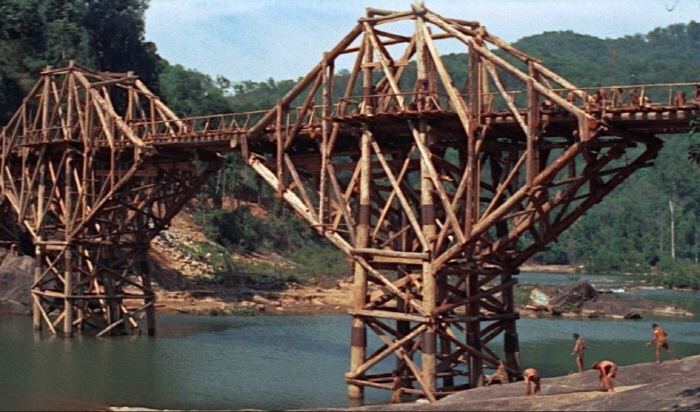
Meanwhile, the Death Railway is also well known as the backdrop for "The Bridge on the River Kwai," which won the Academy Award for Best Picture in 1957. The film portrayed British prisoners of war building a bridge under Japanese orders. While the real setting was Thailand's Death Railway, filming took place in Sri Lanka at the time.
Jang Jong-ho, Sportschosun bellho@sportschosun.com