

[Sportschosun Jang Jong-ho] #. In her early 40s, A started an extreme diet ahead of summer to lose weight quickly. She survived on just 15 cherry tomatoes a day and hiked on an empty stomach, combining a very low-calorie diet with exercise. But after suddenly developing severe abdominal pain, she went to the hospital and was diagnosed with acute biliary pancreatitis caused by gallstones. A underwent surgery to remove her gallbladder, recovered, and was discharged.
#. In his early 50s, B recently experienced severe abdominal pain, nausea and bloating after a company dinner. He suspected a stomach problem, but when his symptoms did not improve, he visited a hospital and was diagnosed with pancreatitis. He has since stopped drinking and is being treated with medication.
The pancreas is an organ located behind the stomach, deep in the abdomen, and plays a vital role in digestion, nutrient absorption and energy metabolism. It secretes digestive enzymes that help break down food, and hormones such as insulin and glucagon that regulate blood sugar. Because it performs so many functions, it is often called the body's "secret chemical factory."
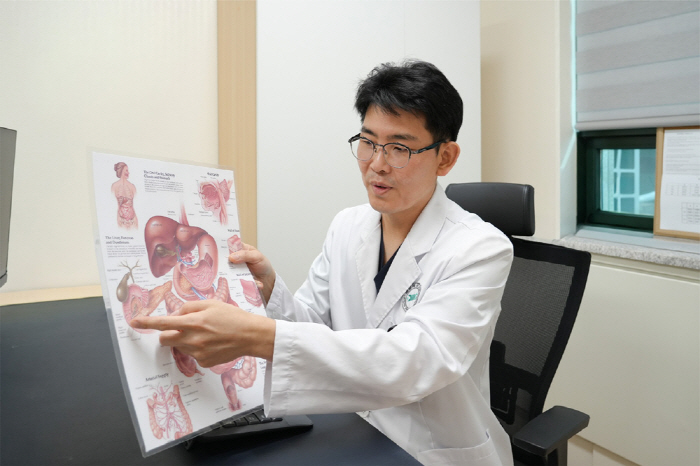
Lee Soo-ho, a senior surgeon at Bundang Jesaeng Hospital under the Daejin Medical Foundation, said, "The pancreas is an important organ with two roles: digestion and blood sugar control. Pancreatitis is a disease in which the pancreas becomes inflamed. It is broadly divided into acute pancreatitis and chronic pancreatitis, and the main symptom is severe abdominal pain that can radiate to the back."
◇Sharp increase in drug-induced acute pancreatitis and acute biliary pancreatitis
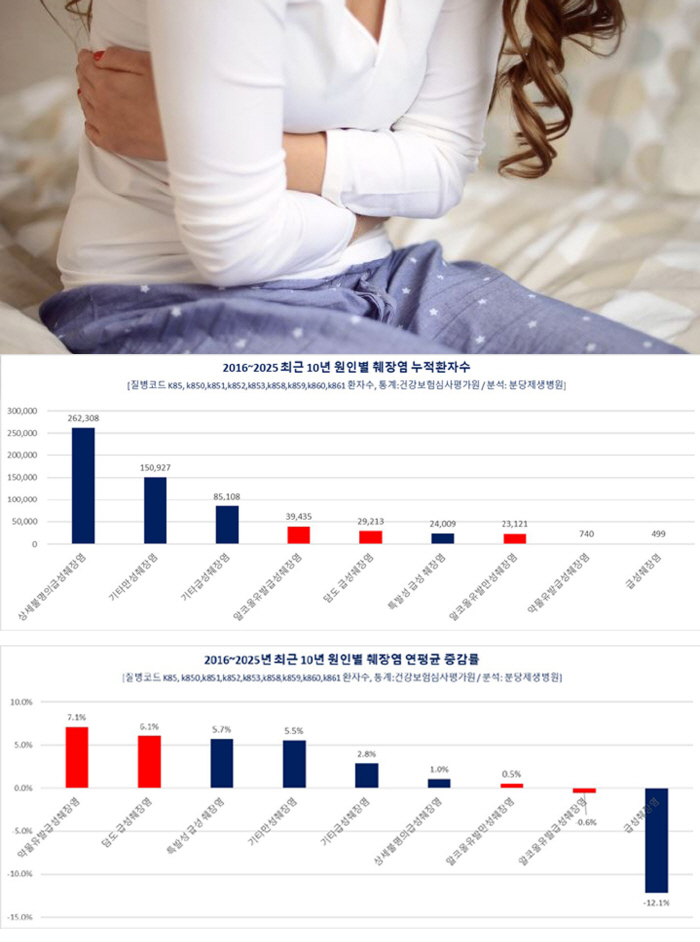
Bundang Jesaeng Hospital analyzed the number of pancreatitis patients and trends by cause over the past 10 years, from 2016 to 2025. The cumulative number of patients was highest for acute pancreatitis of unspecified cause at 262,308, followed by other chronic pancreatitis at 159,927, other acute pancreatitis at 85,108, alcohol-induced acute pancreatitis at 39,435, and acute biliary pancreatitis at 29,213.
By contrast, analysis of the average annual change over the past 10 years showed a clear rise in drug-induced acute pancreatitis, up 7.1% a year, and acute biliary pancreatitis, up 6.1% a year. Alcohol-induced acute pancreatitis, meanwhile, fell by 0.6% annually.
Lee Soo-ho said, "This data shows that the pattern of pancreatitis is changing compared with the past. Alcohol remains an important cause, but it is on a downward trend, while pancreatitis caused by biliary disease is increasing."
He added, "Acute biliary pancreatitis is mostly caused by gallstones, and rapid weight loss or irregular eating habits can increase the risk of gallstone formation. Rather than trying to lose weight too quickly over a short period, it is important to manage weight in a healthy way through a balanced diet and proper exercise."
Lee also explained, "The recent increase in drug-induced acute pancreatitis appears to have been influenced by greater awareness of related conditions and more frequent diagnosis and reporting. As an aging society leads to more treatment for chronic conditions such as hypertension, diabetes and hyperlipidemia, and as more people take multiple medications at the same time, the risk of drug exposure is also rising."
◇Avoid rapid short-term weight loss and taking diet supplements
Treatment and prevention strategies for pancreatitis vary depending on the cause.
For alcohol-induced pancreatitis, abstaining from alcohol or cutting back is the most important preventive measure. If gallstones are the cause, gallbladder removal surgery may be performed when necessary to prevent recurrence. In addition, as the number of medications used for conditions such as hypertension, diabetes and hyperlipidemia continues to rise in an aging society, patients should check whether any of their current medications are linked to pancreatitis. They should also avoid indiscriminate use of diet supplements and health functional foods.
Lee Soo-ho said, "Many people plan to diet ahead of summer. Even if you want to lose weight, it is better to do so gradually through a balanced diet and proper exercise rather than through rapid short-term weight loss. To prevent rebound weight gain, it is necessary to understand your health condition accurately and manage it systematically through consultation with medical staff." He added, "If pain in the upper abdomen, vomiting or abdominal pain keeps recurring, do not dismiss it as simple indigestion. You should seek medical attention."
Jang Jong-ho, bellho@sportschosun.com