

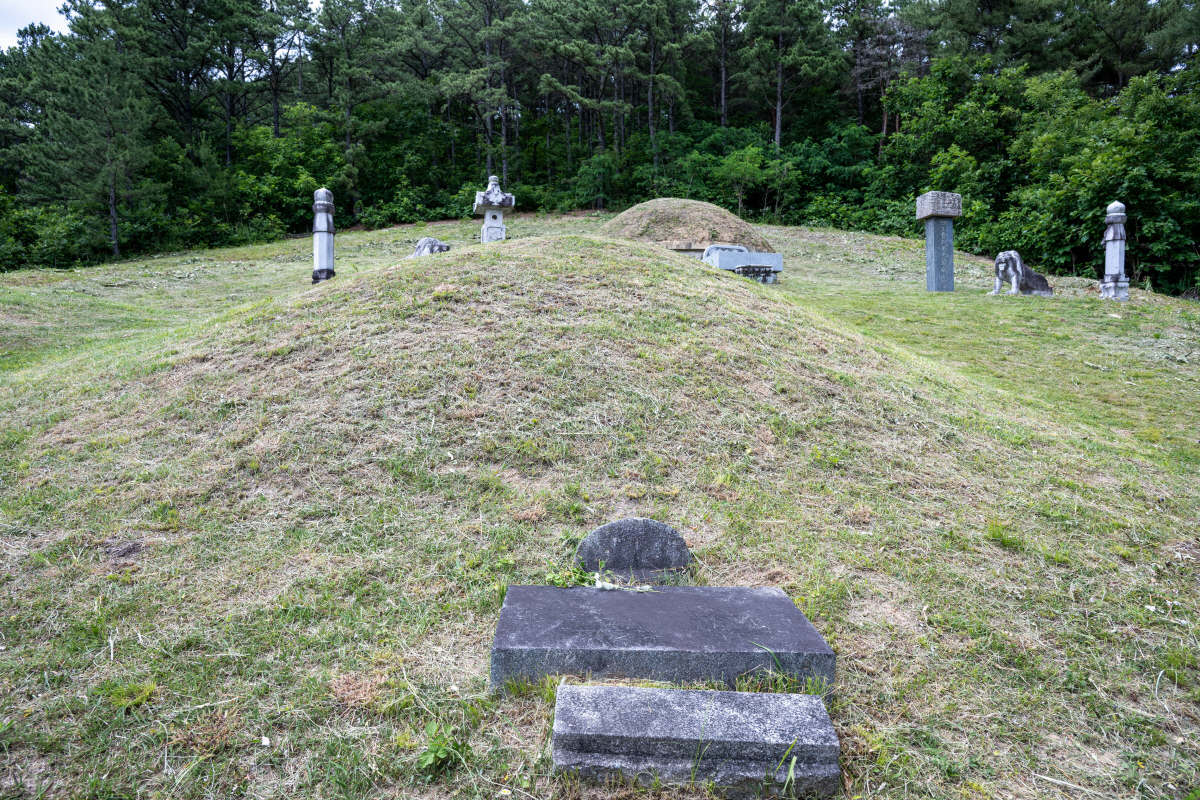
Eom Heung-do is the figure featured in the drama *The Man Who Lives with the King* who recovered King Danjong's body and performed his funeral. It is said that he went into hiding in Gunwi to escape King Sejo's royal decree that "anyone who recovers a body will have their entire family line exterminated," and he met his end there. Photo courtesy of GNC21 Places that hold stories stimulate the desire to travel. Now that we are transitioning from spring to summer and feeling the change of seasons, the sweltering heat is no longer a hindrance.
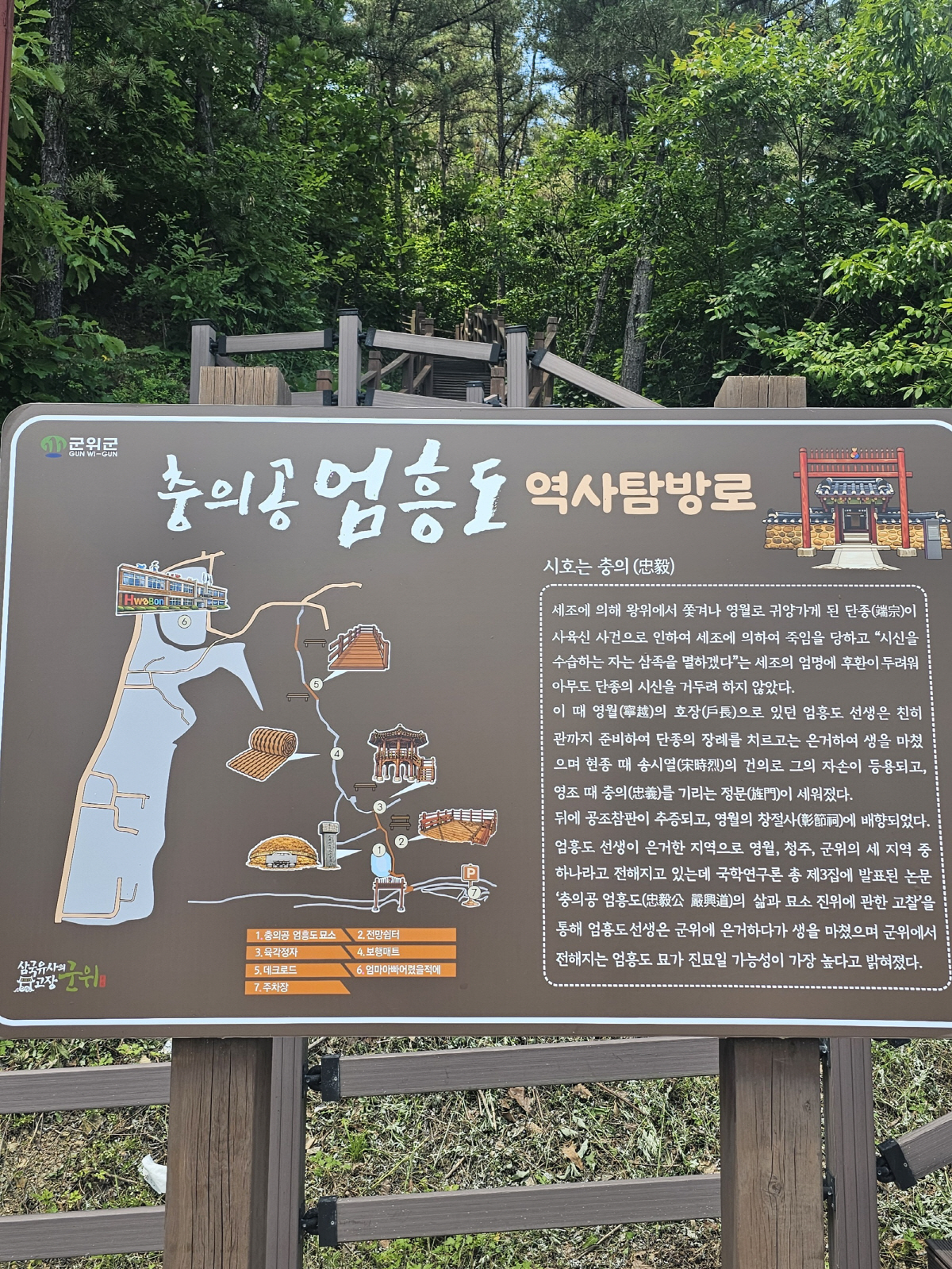
◇ A historical exploration trail has been established around the tomb of Eom Heung-do in Hwabong-ri, Gunwi-gun. Photo by Kim Se-hyung ▶ The King and the Man Who Lives with Me May Have Ended, But the Story Continues Gunwi County in Daegu Metropolitan City is not a place well-known to the general public. Until just a few years ago, few people visited this small region of 23,000 inhabitants located on the northern outskirts. Since it is an hour's drive from Dongdaegu Station, which takes about two hours by KTX, it would not be an exaggeration to call it virtually an unknown territory.
However, Gunwi County holds many stories. History and art coexist here. Because it is not frequently visited and boasts stunning natural scenery due to its geographical location at the foot of Mt. Palgong, it is a place sufficient for people of all ages to enjoy the pleasures of travel.
Photo by Kim Se-hyung A historical walking trail has been established around the tomb of Eom Heung-do in Hwabong-ri, Gunwi-gun. The forest path leading from the tomb to the observation rest area and the hexagonal pavilion is ideal for a stroll. It takes only three minutes to reach the tomb via stairs. The tomb of Eom Heung-do is managed by the descendants of the Gunwi-gun branch of the Yeongwol Eom clan, and thoughtful considerations to ensure easy access for the elderly are also noticeable.
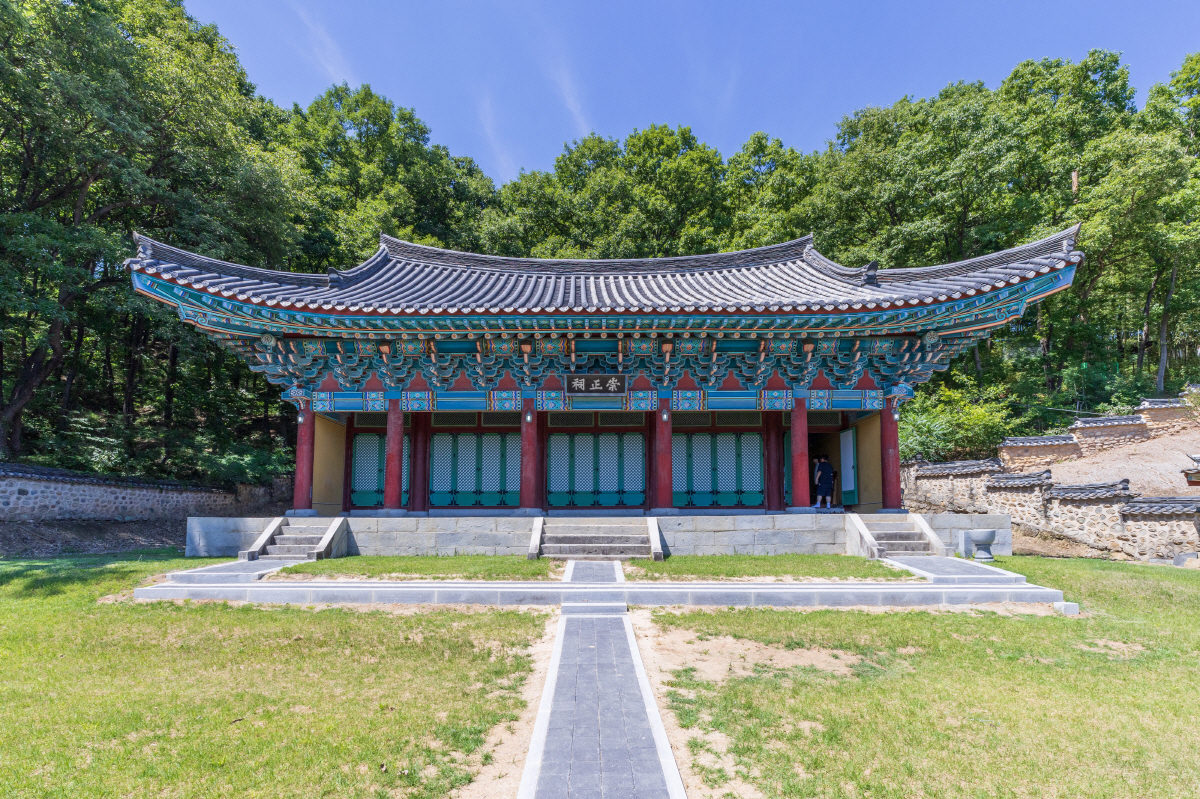
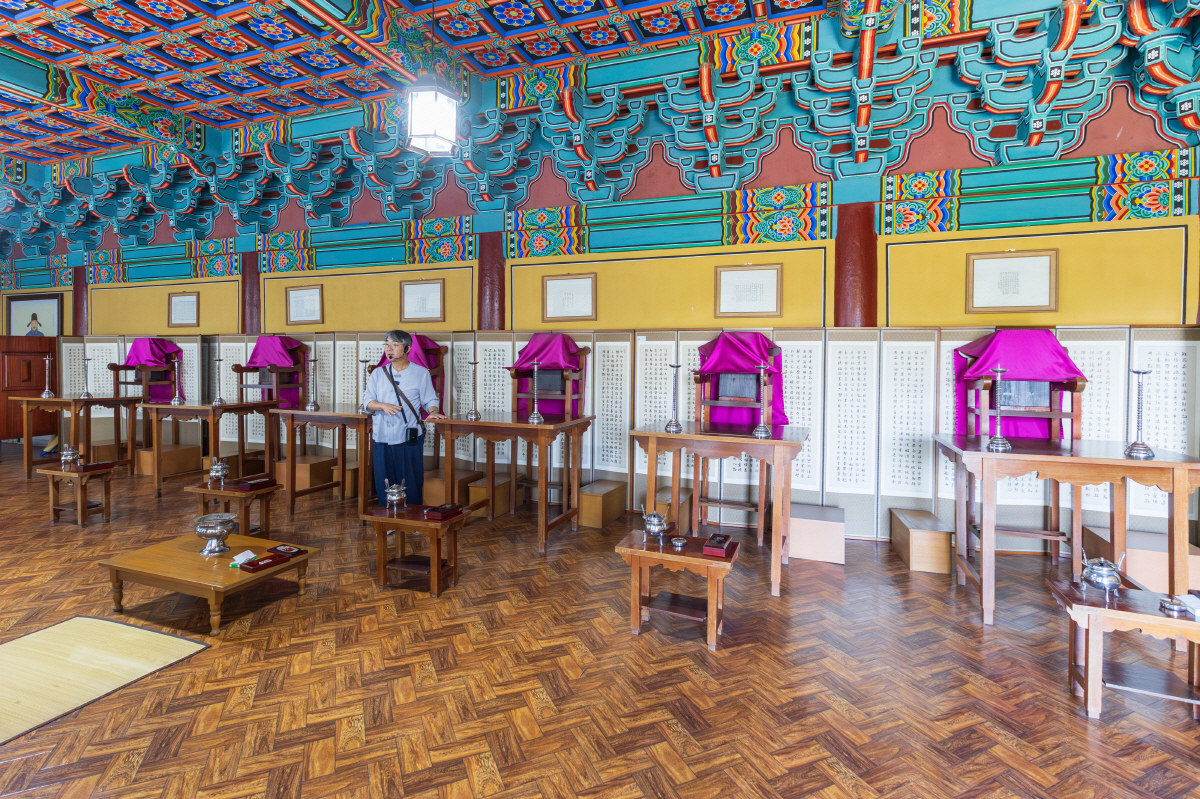
Myogol is a settlement of the Suncheon Park clan. Among the Six Loyal Ministers of the reign of King Sejo—Park Paeng-nyeon, Seong Sam-mun, Yi Gae, Yu Seong-won, Ha Wi-ji, and Yu Eung-bu—the descendants of Park Paeng-nyeon still guard this place to this day. ◇ It is said that at Yuksin Shrine, the Suncheon Park clan initially enshrined only the ancestral tablet of Park Paeng-nyeon, but after his descendant Park Gye-chang had a dream on the anniversary of Park Paeng-nyeon's death in which the other five ministers were loitering outside the shrine gate, they began holding memorial services for the five additional ministers as well. (Photo courtesy of GNC21) It is said that Yuksin Shrine was originally enshrined by the Suncheon Park clan with only the ancestral tablet of Park Paeng-nyeon.
Subsequently, in 1974, as part of the project to restore the historical sites of loyal and filial heroes, the shrine was reconstructed at its current location and named Yuksin Shrine. Myogol, home to Yuksin Shrine, allows visitors to experience both hidden stories and the elegance of well-maintained Hanoks. ◇ Sayuwon is a complex cultural garden located in Gunwi-gun. It offers a harmonious experience of nature, architecture, art, and gastronomy.
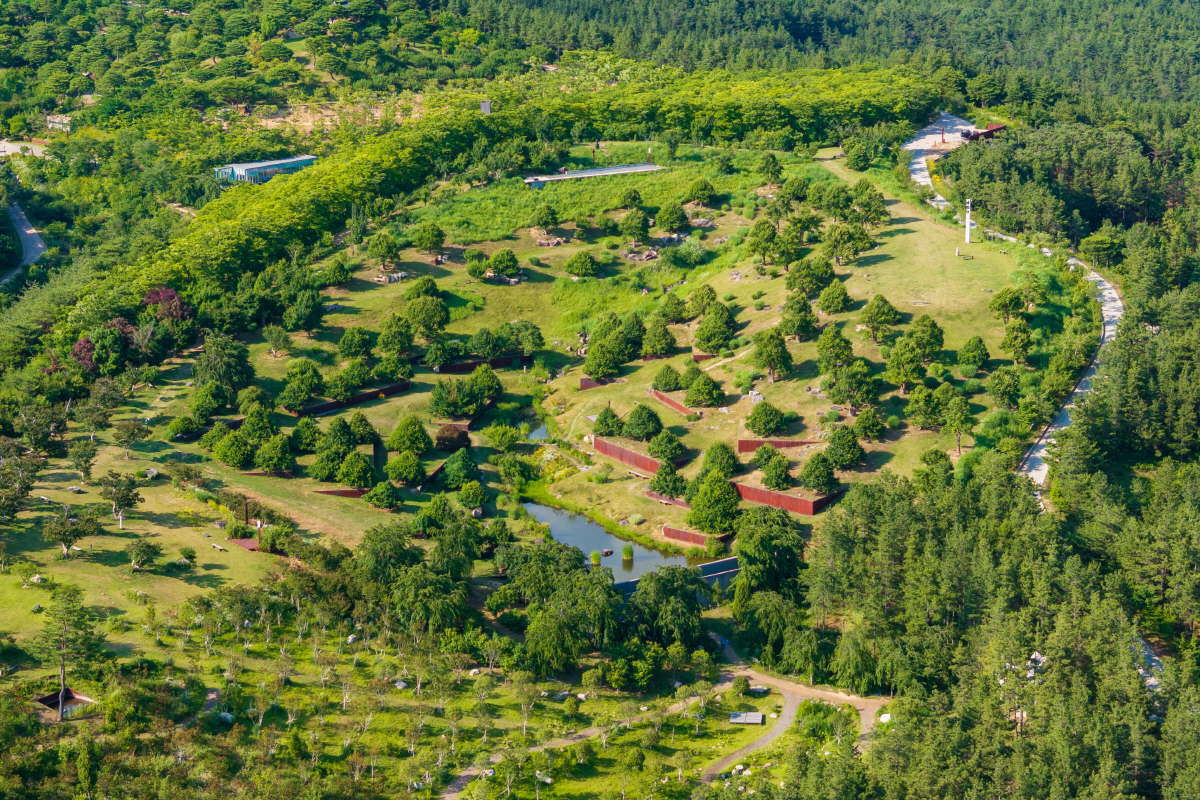
◇ Sayuwon embodies the meaning of "a place to expand the depth and breadth of contemplation. " Photo courtesy of GNC21 Sayuwon is a complex cultural garden located in Gunwi-gun. It offers a harmonious experience of nature, architecture, art, and gastronomy. Its scale is beyond imagination.
As a vast arboretum, several themed gardens come together to form a unified whole. Sayuwon embodies the meaning of "a place to expand the depth and breadth of contemplation. " Trees that have withstood the elements, stone statues sculpted from the heart, and beautiful architecture foster quiet contemplation.
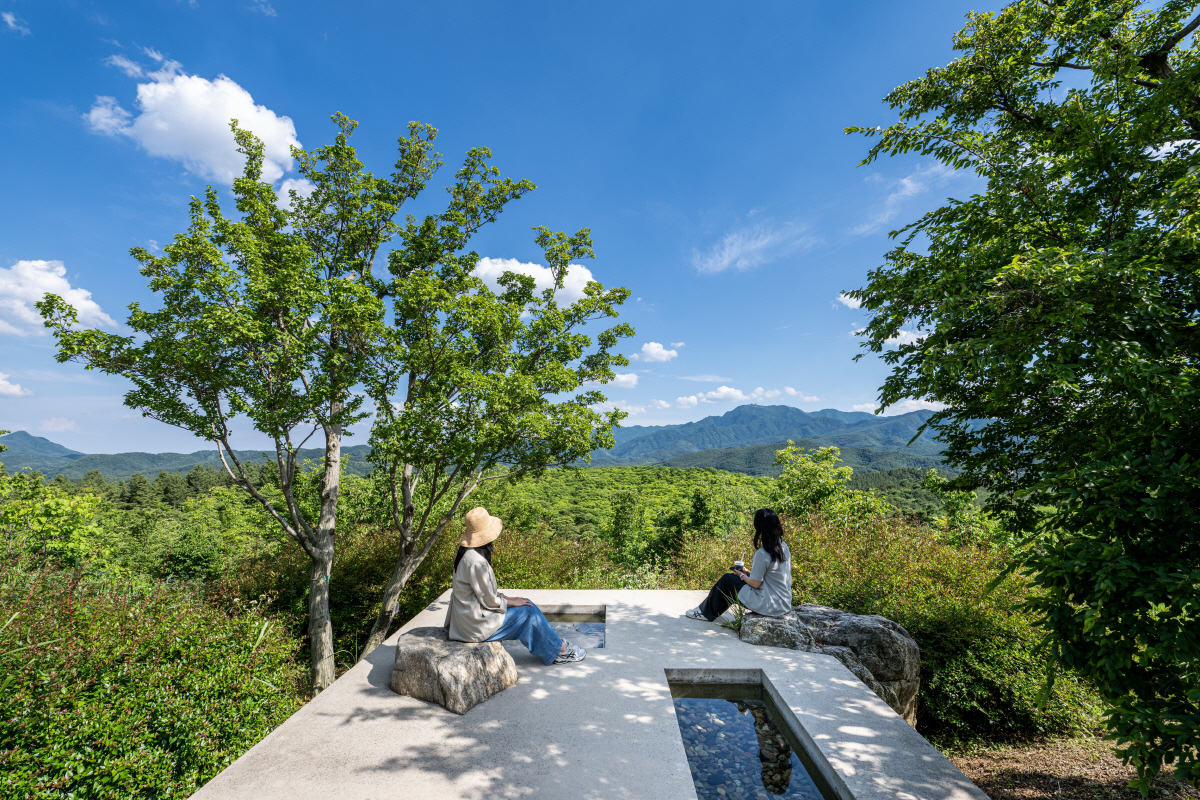
You can stroll freely, moving between the well-maintained arboretum and buildings, or take a docent tour that shares hidden stories not immediately apparent. While the docent tour is expensive, it can be a precious experience for those who wish to truly immerse themselves in Sayuwon. ◇ Sayuwon's restroom, "Da-W-C.
" Each restroom in Sayuwon has a unique name. Each space is a work of art in itself, simultaneously elevating the enclosed space of a restroom into a work of architectural art. Photo by Kim Se-hyung You can experience another kind of enjoyment if you follow the public restrooms located in Sayuwon.
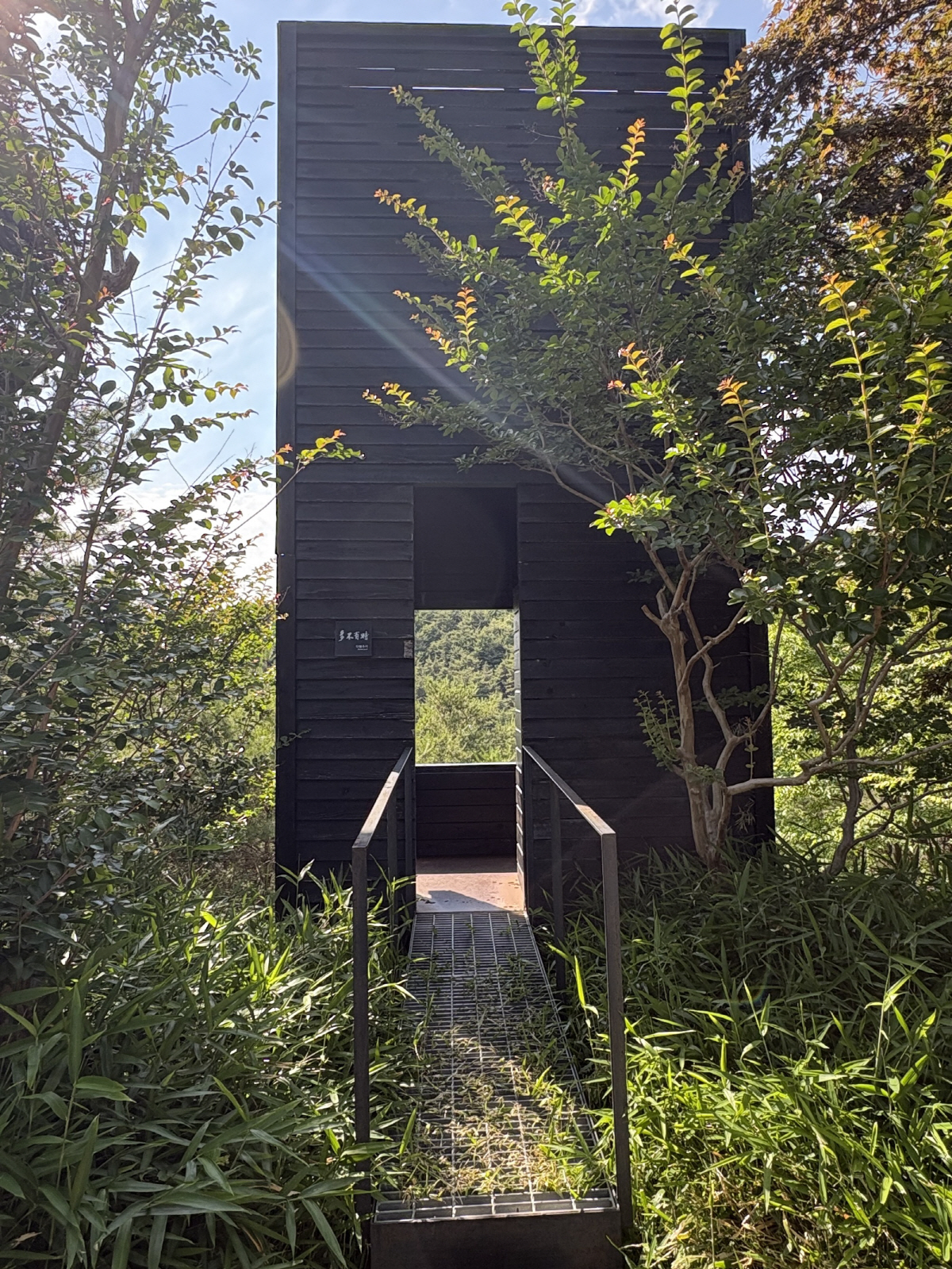
It is a special experience that serves as a stimulus to fill me with novelty, while simultaneously gradually breaking down the framework of closed thinking without me even realizing it as time passes. ◇ The Daegu Gansong Museum of Art is a new cultural and tourist attraction in Daegu. It is the only permanent exhibition space of the Gansong Art and Culture Foundation, which opened in 2024.
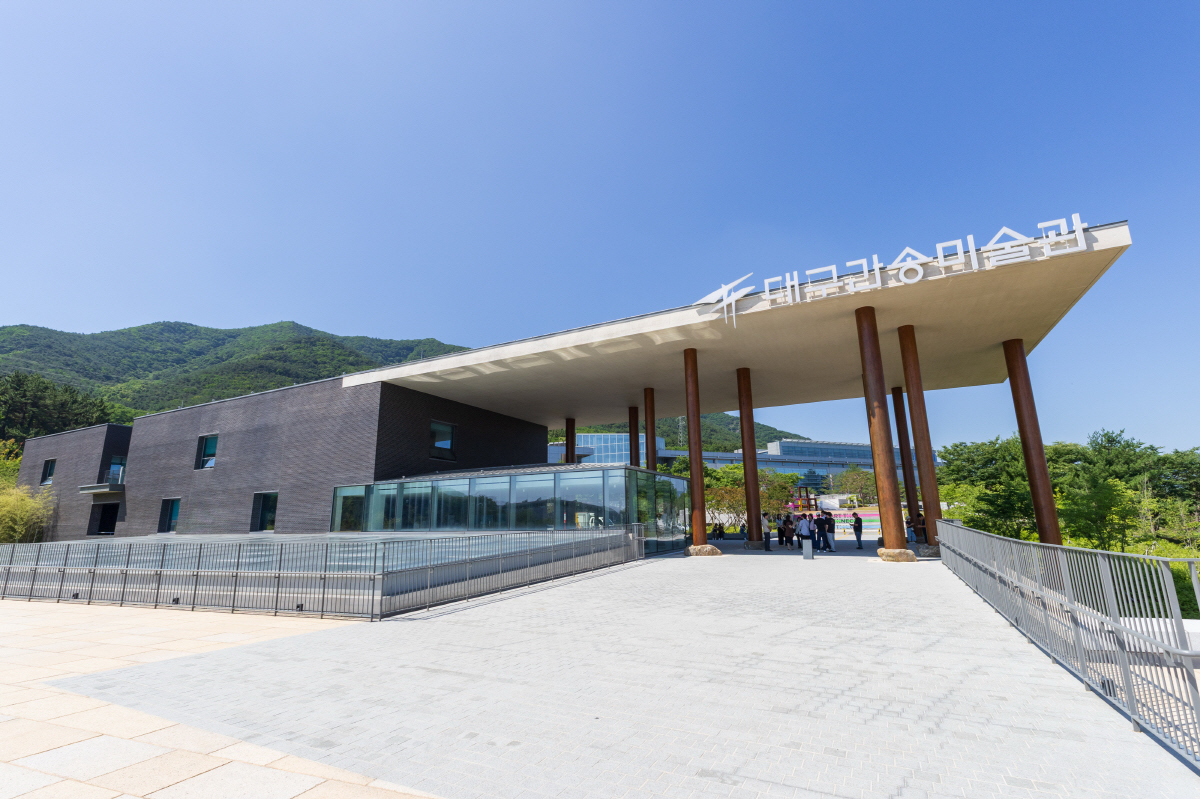
The architecture of the Daegu Gansong Art Museum aims to be "the most Korean art museum" and "an art museum that becomes part of nature. " Taking inspiration from the fact that the slope and topography of Daegu Grand Park are similar to Andong Dosan Seowon, traditional Korean architectural elements such as stepped foundations and the segmentation of the site were incorporated. To express a flexible space that communicates with nature, the interior and exterior of the museum are connected in various ways according to the terrain.
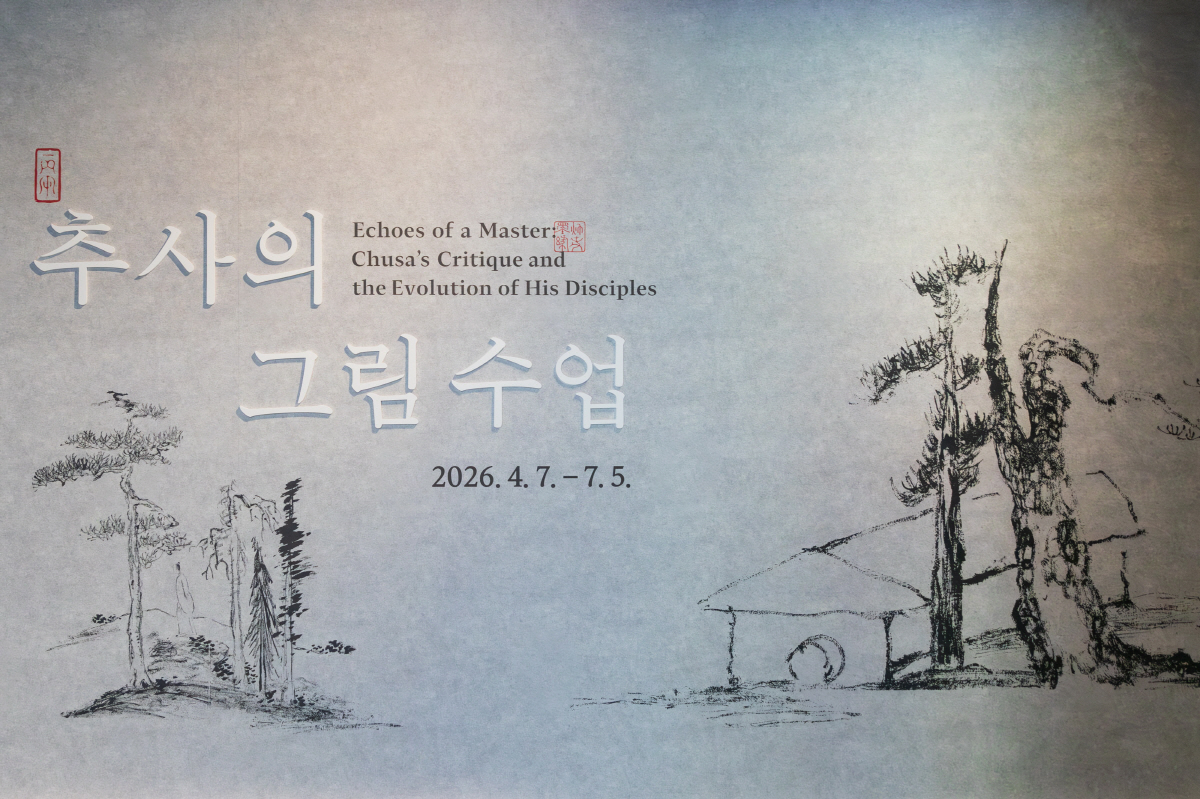
Visitors can view the writings and paintings of Chusa Kim Jeong-hui and his disciples. The painting *Buliseonrando*, which has been on display since the 2nd, was created by Chusa in his late 70s and is regarded as the epitome of literati painting, embodying the ideals and philosophy of a scholar. An official from the Gansong Art Museum explained that the exhibition was organized to allow visitors to view Chusa's various works, including *Buliseonrando*, in one place.
Curator Lee Rang of the Gansong Art Museum stated, "'Chusa's Painting Lessons' is a rare opportunity to encounter Chusa's diverse paintings in a single space. " In addition to the special exhibition 'Chusa's Painting Lessons,' the Gansong Art Museum is also showcasing paintings that offer a glimpse into the summer landscapes and daily life as viewed by painters of the Joseon Dynasty. Reporter Kim Se-hyung fax123@sportschosun.com