

[Sportschosun Jang Jong-ho] The risk of food poisoning rises sharply in summer. Food poisoning is an infectious illness that occurs after consuming food or water contaminated with bacteria, viruses, parasites, or toxins. It is often dismissed as nothing more than diarrhea or stomach pain, but it can be life-threatening in some cases, so caution is needed.
◇High temperatures and humidity allow bacteria and viruses to multiply rapidly
During summer, when temperatures exceed 30 degrees Celsius, bacteria multiply very quickly.
According to the Ministry of Food and Drug Safety, food poisoning cases tend to peak between June and September, the summer months. This is because high temperatures and humidity provide the ideal conditions for bacteria and viruses to grow.
Common causative bacteria include Salmonella, pathogenic E. coli, Campylobacter, and Staphylococcus aureus.
Salmonella is often transmitted through eggs, meat, and poultry, and can cause high fever and diarrhea. Pathogenic E. coli can be contracted through undercooked meat or contaminated vegetables, and it may lead to severe abdominal pain and bloody stool. Staphylococcus aureus often contaminates food through human hands during cooking, and vomiting typically appears within a few hours after ingestion.
Norovirus is another major cause that requires attention. It is commonly known as a winter outbreak disease, but it can actually occur in any season. Because it is highly contagious, cluster outbreaks are frequently reported in group meal facilities, daycare centers, schools, and military units.
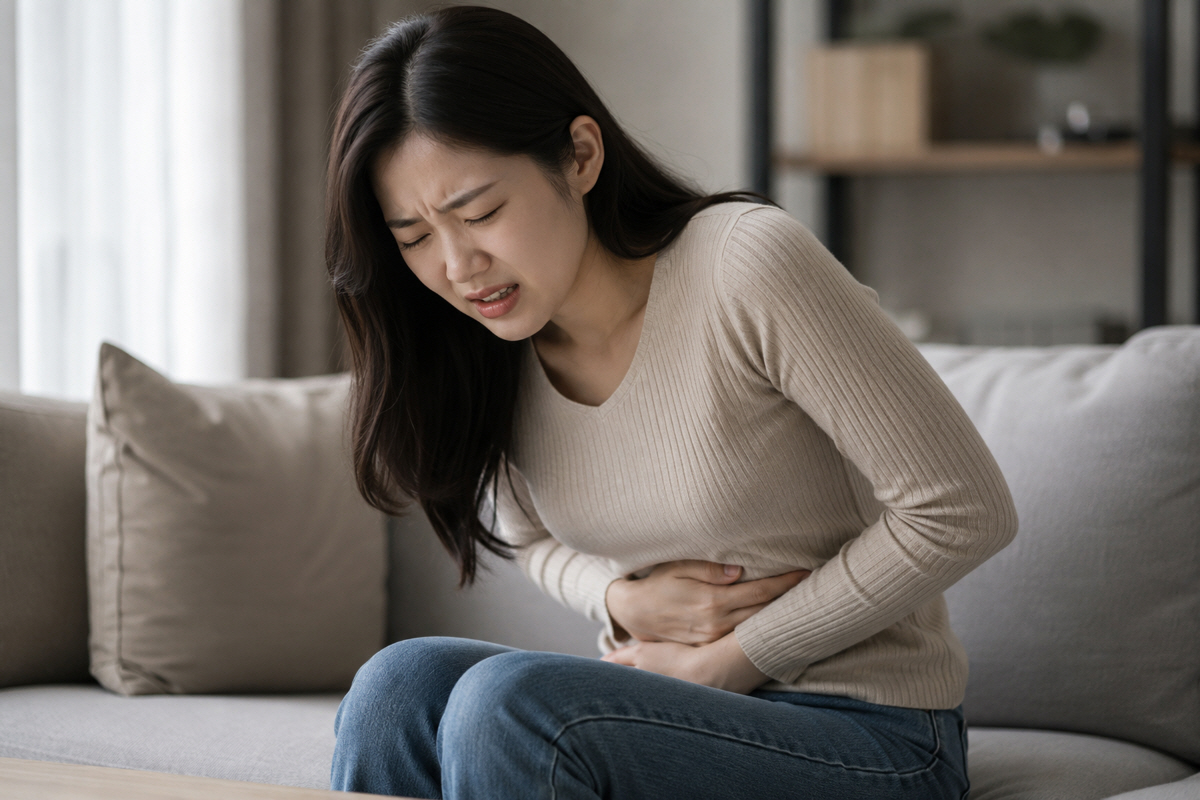
The main symptoms of food poisoning are diarrhea, abdominal pain, vomiting, and fever. Some patients also experience chills, muscle aches, and headaches. Symptoms often appear within hours to days after eating contaminated food.
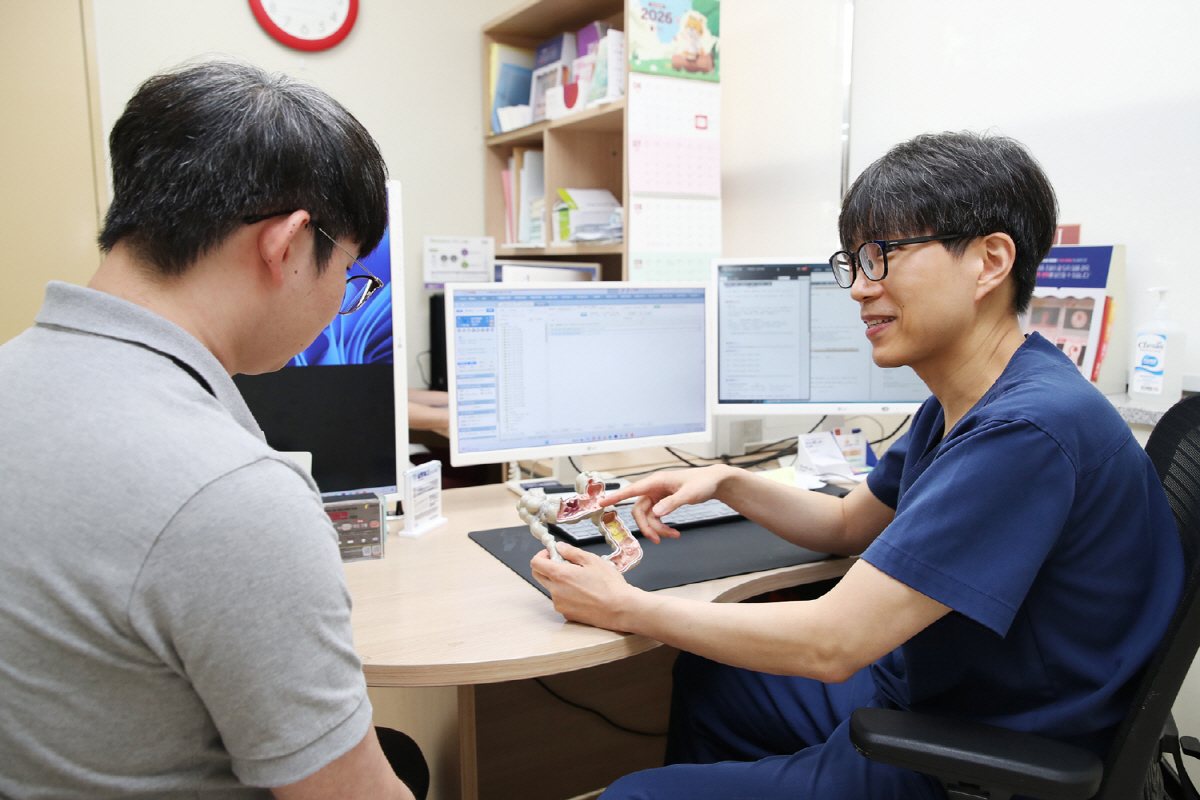
Kim Won-sik, a professor of gastroenterology at Korea University Guro Hospital, said, "Food spoils very quickly in summer," adding, "If diarrhea and vomiting after eating contaminated food are dismissed as a simple stomach bug or indigestion, the symptoms can worsen."
◇Do not take antidiarrheal drugs indiscriminately... Follow the 'three key prevention rules'
Extra caution is especially needed for infants and young children, older adults, pregnant women, and people with chronic illnesses. Depending on the causative bacteria, food poisoning can lead to serious complications such as bloody stool, sepsis, kidney failure, hemolytic uremic syndrome (HUS), and reactive arthritis. In patients with weakened immunity, the infection can spread throughout the body and become life-threatening.
Professor Kim emphasized, "For pregnant women, food poisoning bacteria can affect the fetus and raise the risk of premature birth, miscarriage, and even delayed neurodevelopment," adding, "High-risk groups must pay even closer attention to food hygiene, and if diarrhea or vomiting continues, they should visit a medical institution without delay."
If food poisoning is suspected, the most important step is to replenish fluids and electrolytes. Repeated diarrhea and vomiting can quickly deplete the body's water and electrolyte levels. Drinking small amounts of water frequently and using sports drinks or similar beverages can help.
On the other hand, taking antidiarrheal medication carelessly should be avoided. Diarrhea can be a defense mechanism that helps expel toxins and the causative bacteria from the body, and taking antidiarrheal drugs unconditionally may delay toxin elimination and worsen symptoms.
If any of the following occur, immediate medical attention is needed: a persistent fever of 38.5 degrees Celsius or higher, bloody stool or severe abdominal pain, repeated vomiting and diarrhea with signs of dehydration, or dizziness or reduced consciousness.
Prevention is the most important thing. Professor Kim stressed the three food poisoning prevention rules: "Wash your hands, cook it thoroughly, and boil it." Hands should be washed with soap for at least 30 seconds before meals, before cooking, and after using the restroom. Knives and cutting boards used for meat and fish should be kept separate from those used for vegetables, and meat and seafood must be cooked thoroughly to the center before eating.
Many people think food is safe as long as it is refrigerated, but that is a misconception. Some bacteria can survive even in the refrigerator, and they may multiply over time. It is best to eat food immediately after cooking whenever possible. If storage is necessary, it should be refrigerated or frozen promptly. Food past its expiration date should be discarded, even if it seems wasteful.
In summer, especially during camping and outdoor activities, food should be kept at a safe temperature using a cooler, and food that has been exposed to room temperature for a long time should not be eaten. Delivery food should also be eaten as soon as possible and not left sitting for long after it arrives.
Jang Jong-ho bellho@sportschosun.com