[Sportschosun Reporter Jang Jong-ho] As suspected cases of mass food poisoning have recently emerged, concern over summer food poisoning and bacterial enteritis is rising. With hot and humid weather continuing day after day, this is a time when bacteria can multiply easily, making careful attention to food ingredient management and personal hygiene essential.
According to statistics from the Ministry of Food and Drug Safety, 57% of food poisoning cases reported over the past 10 years, from 2015 to 2024, occurred between June and September. In the past five years in particular, July saw more cases than August. During the summer, the main causes of food poisoning include Salmonella, pathogenic E. coli, Campylobacter, which can be transmitted through raw chicken, and Vibrio parahaemolyticus, which is linked to seafood.
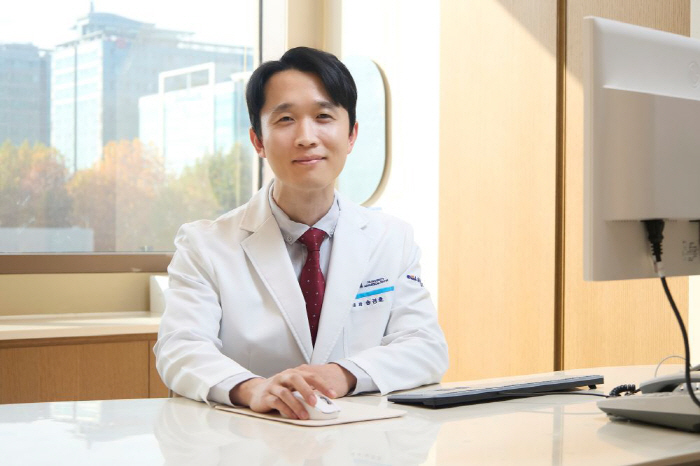
These cases of food poisoning and bacterial enteritis are usually contracted by coming into contact with water contaminated by animal feces or by eating meat and vegetables contaminated during handling and other processing stages. Song Kyung-ho, a professor of gastroenterology at CHA Ilsan Medical Center, explained, "It is easy to think of the causes of enteritis and food poisoning simply as 'spoiled food,' but in reality, various factors such as cross-contamination during cooking, improper storage or thawing of ingredients, and poor personal hygiene can increase the risk of infection."
Professor Song advised, "In summer, bacteria multiply rapidly, so hygiene management during food storage and cooking is more important than anything else." He added, "Correcting commonly misunderstood habits and following basic hygiene rules alone can prevent many cases of bacterial enteritis and food poisoning."
◇Fresh ingredients are useless if cutting boards and knives are not kept separate
Summer food poisoning and enteritis are not caused only by spoiled food. Cross-contamination during cooking is also a frequent cause. If you use a knife and cutting board that were used to prepare raw chicken or raw meat to handle fruit or vegetables without washing them thoroughly, pathogens from the meat can be transferred directly. The same applies when touching other ingredients with hands that have handled meat.
In particular, if food contaminated with the deadly enterohemorrhagic Escherichia coli (EHEC), one of the pathogenic E. coli strains mentioned above, is consumed, it can cause bloody diarrhea and hemolytic uremic syndrome (HUS). In children and older adults, the risk of severe complications such as acute kidney failure is especially high. Salmonella infection can also cause fever, abdominal pain, and diarrhea, and one strain, Salmonella Typhi, can cause typhoid fever.
Even if fresh ingredients are properly stored in the refrigerator, bacterial infection cannot be avoided unless hygiene rules to prevent cross-contamination are strictly followed from the cooking stage onward.
◇Thawing at room temperature encourages bacterial growth... thaw slowly in the refrigerator or in cold water
Thawing food at room temperature in summer should be avoided at all costs, as it can dramatically accelerate bacterial growth. Frozen foods are safest when moved to the refrigerator the day before use and thawed slowly, or thawed in sealed packaging under running cold water.
If frozen seafood or shellfish is left at room temperature, Vibrio parahaemolyticus can multiply rapidly. Eating contaminated seafood left out at room temperature, or eating it without cooking it thoroughly, can cause abdominal pain, diarrhea, and vomiting. High-risk groups with weakened immunity, such as patients with liver disease or chronic illnesses, may develop fatal complications such as sepsis, so extra caution is needed.
◇Do not take anti-diarrheal medication without caution
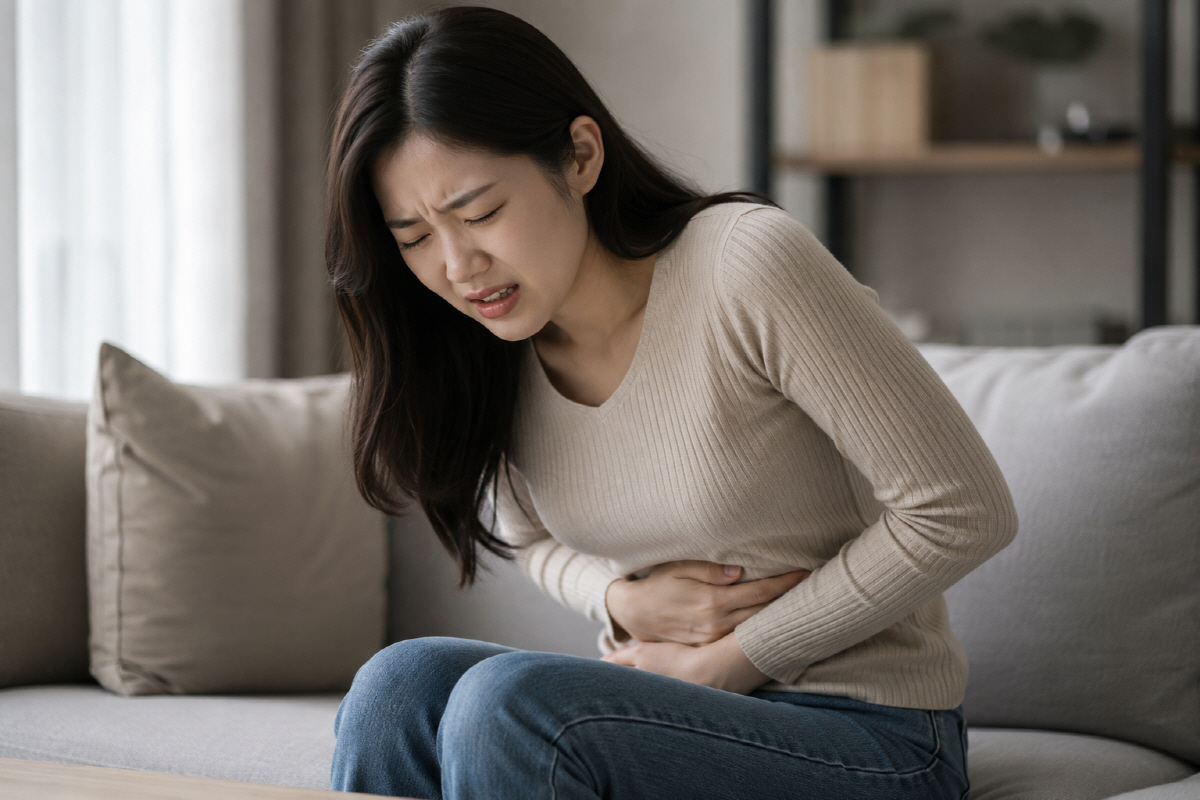
Infectious enteritis is often accompanied by abdominal pain, vomiting, fever, and diarrhea. Healthy adults usually recover by drinking enough boiled water or electrolyte drinks to prevent dehydration and by resting. Taking anti-diarrheal medication on your own to stop diarrhea can actually delay recovery. Diarrhea is a natural defense response that helps expel pathogens and toxins from the body. Excessive use of anti-diarrheal drugs can suppress intestinal movement, delay the elimination of pathogens and toxins, and worsen symptoms or slow recovery.
On the other hand, if a patient is dehydrated or has nighttime diarrhea that disrupts sleep, it is important to receive a prescription for an appropriate anti-diarrheal medication, such as one that absorbs pathogens or toxins, and use it properly. In addition, if a high fever persists, if there is bloody stool or severe abdominal pain, or if the patient is an infant, an older adult, or someone with a chronic illness and weakened immunity, they should seek medical care promptly.
◇Following hygiene rules such as handwashing and quickly identifying the causative pathogen are important
Professor Song Kyung-ho said, "Bacterial enteritis and food poisoning can be prevented in most cases by simply following basic hygiene rules." He added, "Wash your hands with soap for at least 30 seconds before and after cooking, and always use separate cutting boards and knives for meat and vegetables."
He continued, "Testing for the pathogen causing acute diarrhea is a PCR test performed on the patient's stool, and it can identify the cause of diarrhea within three hours of receipt. Depending on the pathogen, antibiotic treatment can speed recovery in some cases, but there are also cases, such as EHEC, where antibiotics should be avoided. That is why it is important to receive appropriate treatment based on an accurate identification of the causative pathogen."
Jang Jong-ho, bellho@sportschosun.com
This article has been translated by GripLabs Mingo AI.