[Sportschosun, Jang Jong-ho] A new study has found that women with more childbirth experience should identify their postmenopausal fracture risk in advance and manage it proactively.
The Catholic University of Korea Seoul St. Mary's Hospital said that internal medicine resident Seong Kyung-heon, a second-year trainee, received an award for an outstanding oral presentation at the recent international conference of the Korean Society for Bone and Mineral Research, the 2026 Seoul Symposium on Bone Health, under the guidance of Professor Ha Jeong-hoon of endocrinology.
Using national big data, Seong drew attention from the academic community by precisely identifying the link between parity and postmenopausal skeletal health.
The study was presented under the title, "Parity, Cumulative Hormonal Exposure, and Skeletal Health in Postmenopausal Women."
The research team conducted a detailed analysis of 1,420 postmenopausal women based on data from the 2024 Korea National Health and Nutrition Examination Survey (KNHANES) released by the Korea Disease Control and Prevention Agency (KDCA). It evaluated the factors affecting skeletal health.
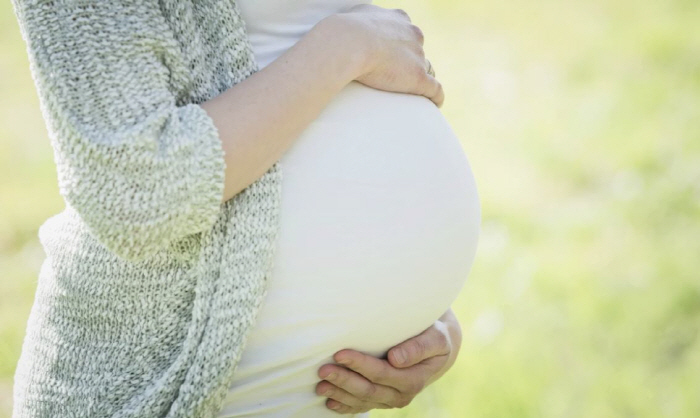
After tracking pregnancy and childbirth histories in postmenopausal women, the team found that women with three or more pregnancies had about a 36% higher likelihood of experiencing fractures after menopause than women with no pregnancy history. Statistical analysis also confirmed that this increase in risk was reliable.
In medicine, the idea that repeated pregnancies may negatively affect women's skeletal system has long been raised. However, differences in study populations and designs have made it difficult to draw a clear clinical conclusion. This study is considered significant because it used the latest national-level big data to demonstrate a statistically meaningful link between multiple childbirths and postmenopausal fracture risk.
Experts point to the so-called "estrogen gap" during pregnancy as a major pathophysiological mechanism behind the higher fracture risk. During pregnancy and breastfeeding, menstruation stops. As a result, the lifetime cumulative exposure to estrogen, which suppresses bone resorption and helps maintain bone density, is relatively reduced.
For that reason, experts stress that adequate calcium and vitamin D intake is necessary not only for fetal bone development but also for maintaining the mother's bone density. They say this is especially important for women with multiple children.
Various studies, including reports from the International Osteoporosis Foundation and the World Health Organization (WHO), also note that insufficient levels of these nutrients are commonly reported among pregnant women.
The research team cautioned against viewing multiple childbirths as having only negative effects on women's health. Several studies have reported that women with more childbirths actually have lower risks of hormone receptor-positive breast cancer and ovarian cancer. In that sense, multiple childbirths can be seen as a complex health factor with both risks and benefits depending on the disease. The team said the findings highlight the need for preventive management of this factor from the perspective of bone metabolic diseases.
Resident Seong Kyung-heon, who led the study, said, "If we comprehensively consider the number of pregnancies and childbirths over a woman's lifetime, along with her history of hormonal exposure, we can assess fracture risk. Based on that, it is possible to manage calcium and vitamin D intake during pregnancy and conduct regular bone density screenings." He added, "I hope this study will lead to a more precise evaluation of high-risk osteoporosis groups and further research that can provide practical help in patient care."
Professor Ha Jeong-hoon, the supervising physician, said, "This award is highly meaningful because the resident independently explored an important clinical question in the field of bone metabolic diseases using national big data." He added, "We will continue to guide and support young researchers so they can actively participate in osteoporosis and bone metabolism research and produce meaningful results."
Meanwhile, the Korean Society for Bone and Mineral Research was founded in 1989 to promote advances in clinical care and research on osteoporosis and other bone metabolic diseases through collaboration among various clinical and basic medical fields, including endocrinology, orthopedics, obstetrics and gynecology, and dentistry. It has grown into one of the largest academic societies in Korea in this field and is recognized as one of Asia's leading societies. The society's Seoul Symposium on Bone Health is known as an international conference where experts in bone metabolic diseases from Korea and abroad share the latest research findings and clinical insights.
Jang Jong-ho, Sportschosun

This article has been translated by GripLabs Mingo AI.