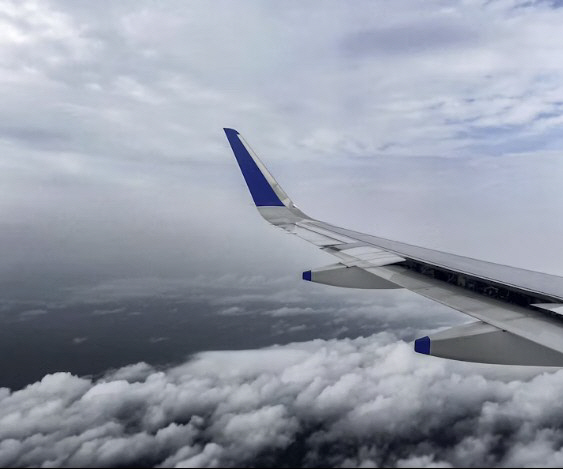
[Sportschosun Reporter Jang Jong-ho] More passengers have recently been experiencing sudden and severe shaking during flights. Experts say turbulence is increasing as climate change alters atmospheric conditions.
According to foreign media outlets including the Daily Mail, an analysis by researchers at the University of Reading in the United Kingdom found that since 1979, wind shear in the jet stream — an atmospheric phenomenon in which wind speed or direction changes abruptly over a short distance — has increased by about 15%. In particular, clear-air turbulence, or CAT, which is not easily detected by weather radar because there are no clouds, has risen by as much as 55% on major flight routes.
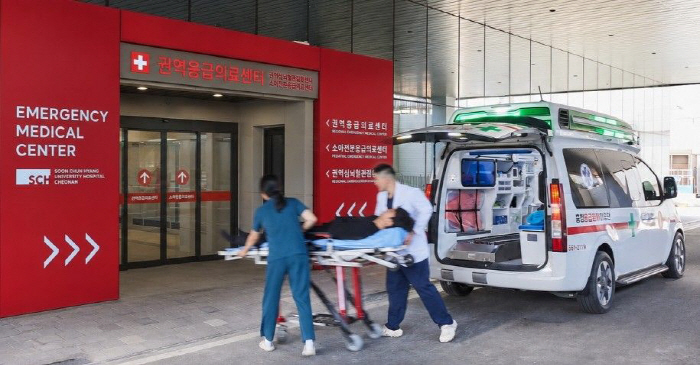
Recent turbulence incidents have also continued to occur. On July 30 last year, a Delta Air Lines passenger jet encountered severe turbulence, injuring 25 people including passengers and crew. Some passengers later filed lawsuits against the airline.
This year, an easyJet passenger plane hit strong turbulence, prompting the captain to declare an emergency and divert back to the United Kingdom. In May, a Cathay Pacific Airways flight from Brisbane to Hong Kong also encountered severe turbulence, causing 10 passengers and crew members to strike the ceiling and suffer injuries.
Emma Henderson, a former captain for a British airline, told the Daily Mail that the main cause is climate change.
"As the atmosphere warms, temperature differences between air layers become larger, making the jet stream stronger in some regions," he said. "The strong wind-speed differences around the jet stream create clear-air turbulence, which is especially difficult for pilots because it is not easily picked up by weather radar."
Henderson said the sharpest increase is currently in clear-air turbulence at cruising altitude. He added that if global warming continues, turbulence is likely to become more frequent and more intense.
The aviation industry is rapidly developing technologies to respond.
Turbulence forecasting systems have recently become more accurate, and the Electronic Flight Bag system, which allows pilots to check real-time turbulence information, is now widely used.
Henderson said the North Atlantic jet stream, as well as the Himalayas and the Andes Mountains, are among the areas where turbulence is especially severe.
He emphasized that passengers do not need to be overly alarmed simply because turbulence is increasing.
"The greater danger is not the turbulence itself, but people who are not wearing seat belts," he said. "Most serious injuries happen when passengers or crew are thrown around inside the cabin."
"Modern passenger aircraft are designed to withstand loads far greater than ordinary turbulence, and pilots, like passengers, try to avoid shaking as much as possible," he added. "Turbulence is mostly an uncomfortable experience, not something that makes the aircraft itself dangerous."
Reporter Jang Jong-ho bellho@sportschosun.com
This article has been translated by GripLabs Mingo AI.