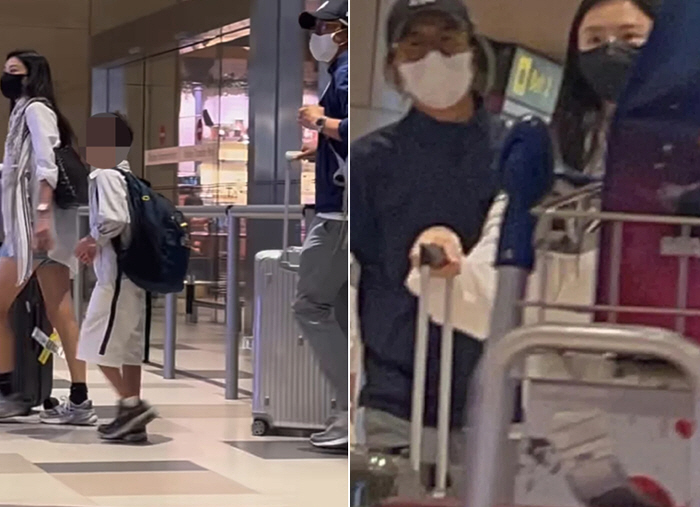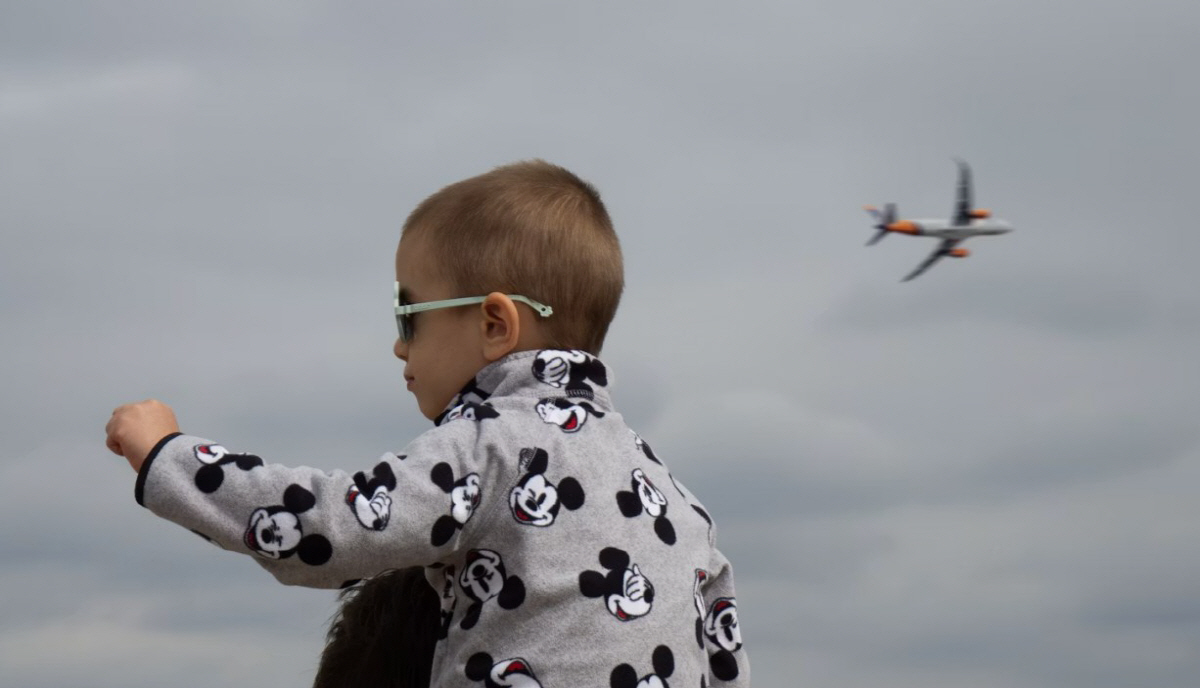
[Sportschosun Jang Jong-ho] More families are heading overseas for summer vacations. To travel safely and stay healthy, thorough preparation to prevent infectious diseases is needed before departure.
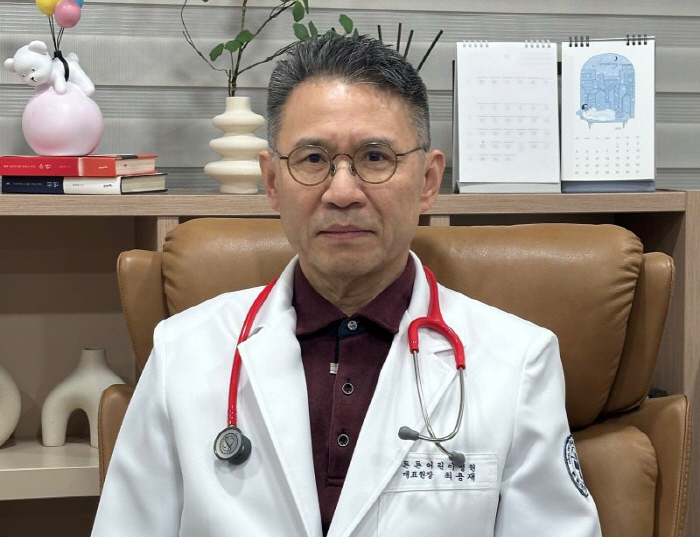
Against this backdrop, the Korea Children’s Hospital Association, led by Chairman Choi Yong-jae, director of Uijeongbu Ttunttun Children’s Hospital, compiled and released the questions parents ask most often in clinics as overseas travel picks up.
According to the KDCA, group outbreaks of waterborne and foodborne infectious diseases in the summer reached 6,250 cases and 13,935 patients in 2025, provisional figures. That was 19.1% higher than the 2021-2024 average of 5,250 cases. Of the 633 imported infectious disease cases in 2025, 81.4% came from Asia, a region that is also a major summer vacation destination for Korean families.
The association said, "Most travel-related infectious disease information on the market is based on adults," adding, "Children differ in dehydration speed, available medications and vaccination schedules." It also pointed out that "many posts on online parenting communities are copied from U.S. guidelines and often do not match domestic approvals," citing mosquito repellent concentrations, the age for anti-diarrheal use and weight standards for malaria prevention drugs as key examples.
◇ Before departure
- Is it too late to get vaccinated now?
▶ It depends on the vaccine. Some can still be given now, while others are already too late for this trip.
Measles vaccination with MMR is recommended to be completed 4 to 6 weeks before departure, but if a child has not been vaccinated, it is still better to get the shot now.
Hepatitis A is recommended for unvaccinated children aged 12 months and older. Typhoid vaccine is given as one injection for children aged 2 years and older, or as three oral doses for those aged 5 years and older.
Cholera vaccination must be completed at least one week before departure and is available only at internationally certified vaccination centers.
By contrast, Japanese encephalitis requires a one-month interval between the first and second doses, so it is difficult to finish before a trip if started now.
No vaccine available in Korea has been confirmed for dengue fever. In such cases, the focus should be on preventing mosquito bites, and vaccination can be started now to prepare for a future trip.
- My baby is not even one year old yet. Can they get the measles vaccine?
▶ Yes, and the government fully covers the cost. Many parents do not know this. The KDCA recommends accelerated measles vaccination for infants aged 6 months to under 12 months if travel to a country with a measles outbreak is unavoidable, and the government pays the full cost.
One important thing to remember, however, is that even after accelerated vaccination, the regular first dose at 12 to 15 months and the second dose at 4 to 6 years of age must still be given. The accelerated shot does not replace routine vaccination.
There is a reason infants under 1 year are emphasized. According to the KDCA's global infectious disease trends, measles cases in the Americas reached 20,521 through week 20 of 2026, with 25 deaths, about four times the number in the same period last year. The highest incidence rate was among infants under 1 year of age, at 9.7 cases per 100,000 people. If infants contract measles, they face a high risk of complications such as pneumonia, otitis media and encephalitis.
- What medicines should I bring when traveling with a child?
▶ Oral rehydration solution (ORS), fever reducers such as acetaminophen for infants 4 months and older and ibuprofen for infants 6 months and older, and a thermometer. It is a good idea to pack a fever reducer.
However, anti-diarrheal drugs such as loperamide should not be used casually in children, so there is no need to bring them.
- Can I apply mosquito repellent to my child? I heard online that a higher concentration works better.
▶ It can be used, but domestic standards differ from overseas information. According to the Ministry of Food and Drug Safety, DEET at 10% or less is allowed for infants 6 months and older, while 10% to 30% is for those aged 12 and older. Icaridin is not allowed for infants under 6 months, and PMD is for children aged 4 and older. Some U.S. materials recommend 20% to 30% concentrations for infants and toddlers, but in Korea the standard for children under 12 is 10% or less.
You should also follow the Ministry of Food and Drug Safety's usage guidelines. Put the repellent on an adult's hand first, then have the adult apply it to the child. One application lasts about 4 to 5 hours, so do not reapply within 4 hours. If using it with sunscreen, apply the sunscreen first and the repellent afterward. In particular, scented bracelets and sticker products are not approved mosquito repellents. There are no bracelet-type or sticker-type mosquito repellents approved as quasi-drugs.
◇ During travel
- How careful do we need to be about water and food?
▶ Use boiled water or unopened bottled water, and treat ice by the same standard.
Avoid unpeeled fruit, pre-cut fruit, raw vegetables, food left at room temperature for a long time and undercooked seafood. In domestic summer outbreaks, Salmonella accounted for 38.2% and pathogenic E. coli for 11.8% of the main causes.
Handwashing also has an important caveat. Alcohol-based hand sanitizers do not work well against norovirus. Hands should be washed with soap and water for at least 20 seconds, especially in crowded places such as cruise ships and hotels.
- My child has started having diarrhea. What should I do first?
▶ Diarrhea during travel may have different causes from the stomach flu commonly seen in Korea.
Most pediatric gastroenteritis cases in Korea are viral and improve with symptomatic treatment. Travel-related diarrhea, however, is more often caused by bacteria or parasites, and treatment varies completely depending on the cause.
Some causes can progress to kidney complications if blood appears in the stool. For that reason, the threshold for simply "watching at home" should be lower than it is in Korea.
If the child becomes lethargic, urinates less, develops a fever or passes bloody stool, take them to a pediatric clinic that can perform tests and provide IV fluids if needed. Infants in particular can become dehydrated quickly because their fluid needs are high relative to body weight.
Before going to the hospital and on the way there, give oral rehydration solution. If the child is breastfeeding, do not stop; continue breastfeeding. Formula should also be continued as usual. Undiluted apple juice or carbonated drinks can actually worsen diarrhea, and the commonly known "BRAT diet" of bananas, rice, apples and toast alone is not recommended because there is not enough evidence to support it.
- Can I give anti-diarrheal medicine? What about bringing antibiotics in advance?
▶ Neither is recommended. For loperamide, the domestic approval label states that "it is not advisable to administer it to infants and young children aged 7 or younger."
The CDC also lists it as contraindicated for children under 2 because of the risk of respiratory depression and cardiac adverse reactions. Korea's standard is even stricter. It must never be used for bloody diarrhea.
Among the causes of travel-related diarrhea is enterohemorrhagic E. coli, and antibiotics are known to increase the risk of hemolytic uremic syndrome (HUS) in such cases. The association has previously noted that some pathogenic E. coli strains, though rare, can progress to HUS and acute kidney injury.
In addition, bismuth preparations are not recommended for children under 12 because of the risk of Reye syndrome, and antihistamine-based motion sickness medicines and antiemetics are contraindicated for infants under 1 year. For malaria prevention drugs such as atovaquone/proguanil, safety has not been established in children under 11 kg under domestic approval standards, although overseas data allow use from 5 kg. A doctor should always be consulted before departure.
- What should I do if my child gets a fever while abroad?
▶ If you are in an area with many mosquitoes, be especially careful in choosing a fever reducer.
If dengue fever is suspected, use only acetaminophen. Do not use anti-inflammatory pain relievers such as aspirin or ibuprofen, as they increase the risk of bleeding.
The point parents most often miss with dengue fever is when the fever goes down. The 24 to 48 hours after the fever breaks are the danger period, when the illness can become severe. Do not assume the child is safe just because the fever has fallen. Seek medical care immediately if severe abdominal pain, repeated vomiting, bleeding from the nose or gums, or lethargy or restlessness appears.
◇ After returning home
- How long should we keep watching after coming back?
▶ It depends on the disease. Dengue fever usually appears within 2 weeks with fever, rash, headache and muscle pain. Measles takes about 3 weeks and causes fever, rash, cough and conjunctival redness. Typhoid and hepatitis A can take several weeks, with persistent fever, jaundice and abdominal pain. Malaria can appear even months later, with repeated fever and chills.
If malaria prevention medicine was prescribed, do not stop taking it just because you have returned home. Finish it for the full prescribed period. Also, if diarrhea lasts more than two weeks, it may be a parasitic infection rather than a bacterial one, so medical care is needed.
Not all diarrhea is gastroenteritis. In infants and toddlers, influenza often causes gastrointestinal symptoms such as vomiting and diarrhea. In Korea it is not in season, but in tropical regions it circulates year-round, so it is actually harder to suspect.
- If my child has a fever or diarrhea after returning home, where should we go?
▶ Visit a pediatric clinic that can perform tests and provide IV fluids, and tell the doctor first that you have "returned from overseas travel." The KDCA also advises that if fever, rash, diarrhea, vomiting or cough occurs after returning home, patients should always inform medical staff about their travel history.
Simply mentioning travel can change the direction of diagnosis.
Fever in children is often hard to distinguish from common infections, and without a travel history it is difficult to suspect dengue fever, malaria or measles from the start. If diagnosis is delayed, treatment is delayed as well, and highly contagious diseases such as measles can spread to other children in the waiting room.
For faster care, it helps to prepare four things in advance: ▲ which country you visited and for how long ▲ whether the child was bitten by mosquitoes or had contact with animals ▲ what they ate and drank ▲ and whether they took any medicine locally.
Chairman Choi Yong-jae said, "Vacation should remain a good memory for children," adding, "When traveling with children, you need to know that they are judged by different standards than adults." He continued, "The most heartbreaking cases in clinics are when a parent does something with good intentions, but it ends up harming the child. Giving anti-diarrheal medicine to stop diarrhea or taking antibiotics in advance just in case are examples of that."
He added, "Travel-related diarrhea can have different causes from the stomach flu seen in Korea, so the threshold for watching should be lower than usual. If your child cannot even drink water, urinates less, becomes lethargic or has bloody stool, please go to a pediatric clinic that can quickly perform tests and provide IV fluids." He emphasized, "If your child has a fever after returning home, tell the clinic first that you traveled abroad. That one sentence can change the diagnosis."
Jang Jong-ho, bellho@sportschosun.com
This article has been translated by GripLabs Mingo AI.