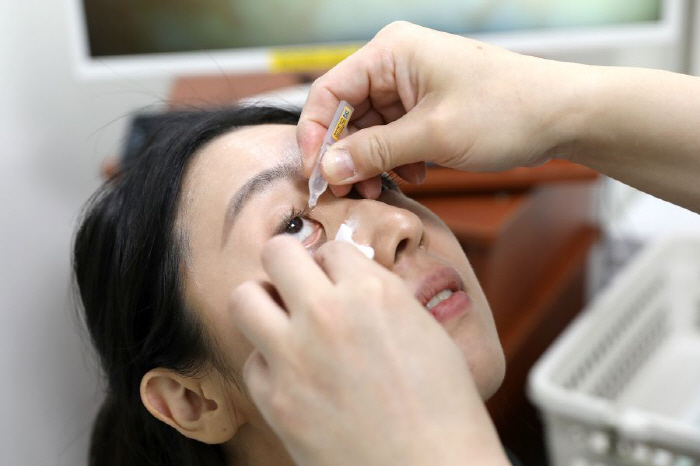
[Sportschosun reporter Jang Jong-ho] Health Quotient (HQ) has recently emerged as a new essential capability.
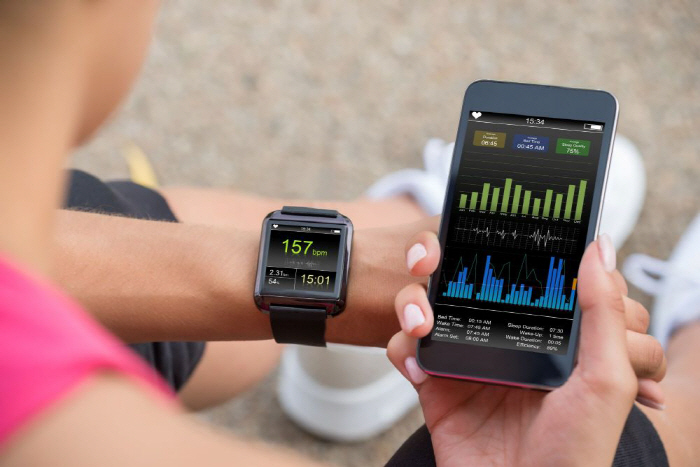
Trend Korea 2026 named health intelligence as one of this year’s 10 key keywords and predicted that the ability to make healthy choices on one’s own, beyond simply living longer, will become a future competitive edge. In the past, people went to the hospital after they became ill. Now, however, we are entering an era in which people check and manage their own physical condition before disease develops. More people are routinely monitoring their heart rate, sleep, and activity levels through wearable devices and apps, while others are directly managing health indicators with blood pressure monitors and glucose meters. As health data becomes more abundant, failing to properly interpret the numbers can lead to greater anxiety and confusion.
Kim Yu-mi, head of the endocrinology department at Incheon Himchan General Hospital, explained, "Health intelligence is not simply knowing a lot about health information, but the ability to select the information needed for my body, interpret it properly, and turn it into action." She added, "The starting point for prevention and personalized care is a correct understanding of health numbers."
◇What are the normal levels for blood pressure, blood sugar, and cholesterol?
The core of health intelligence is not limited to early disease detection. It is also important to know your usual health numbers and recognize changes from your baseline as warning signs. For that purpose, smartwatches, body composition analyzers, home blood pressure monitors, and glucose meters can all be useful.
Experts say the key numbers for health intelligence are the so-called three major vascular indicators: blood pressure, blood sugar, and cholesterol. According to the Korea Disease Control and Prevention Agency (KDCA)'s 2025 guide to knowing your vascular numbers, normal blood pressure is below 120 mmHg systolic and below 80 mmHg diastolic. Blood pressure can vary depending on exercise, caffeine, smoking, stress, and sleep, so it should not be judged based on a single reading. When measuring blood pressure at home, rest for at least five minutes beforehand, sit with your back supported, keep your arm at heart level, and place both feet flat on the floor. In the morning, it is recommended to measure within one hour of waking, after using the bathroom and before eating or taking medication. In the evening, measure before going to bed. Taking two readings at one-minute intervals and recording the average can help distinguish temporary spikes from persistent abnormalities.
A fasting blood sugar level below 100 mg/dL is considered normal. A level of 100 to 125 mg/dL indicates impaired fasting glucose, while 126 mg/dL or higher raises suspicion of diabetes and requires further testing. However, if there are no typical symptoms of hyperglycemia, the test should be repeated on another day or confirmed with tests such as glycated hemoglobin or an oral glucose tolerance test. This is because lack of sleep, acute illness, severe stress, and some medications can temporarily raise blood sugar.
Recommended targets are total cholesterol below 200 mg/dL, LDL cholesterol below 130 mg/dL, and triglycerides below 150 mg/dL. However, if a person has diabetes, cardiovascular disease, or chronic kidney disease, LDL cholesterol should be managed at a lower level than the general reference range, so individual targets should be discussed with medical professionals.
Body composition indicators should also be reviewed. In Korean adults, a BMI of 25 kg/m2 or higher is defined as obesity. A waist circumference of 90 cm or more for men and 85 cm or more for women indicates abdominal obesity. BMI indirectly reflects the relationship between height and weight, while waist circumference shows the degree of visceral fat in the abdomen. For that reason, both should be assessed together rather than relying on just one measure. Muscle mass and skeletal mass vary widely by age and sex, so the key is to check whether they are steadily declining rather than focusing on absolute values. In older adults, a continued loss of muscle can increase the risk of reduced strength and falls.
◇Numbers are a traffic light for checking changes in the body
Heart rate, activity levels, and sleep duration measured by a smartwatch are useful for identifying changes in lifestyle and physical condition. The normal range for most adults is 60 to 100 beats per minute. However, heart rate can change depending on exercise, caffeine intake, dehydration, fever, and stress. If unusual changes keep recurring or are accompanied by palpitations, chest pain, shortness of breath, or dizziness, consult a specialist.
Sleep is also an important pillar of health intelligence. The appropriate amount of sleep for adults is seven to nine hours a day, and what matters more than simply sleeping longer is the proportion of deep sleep and the number of nighttime awakenings. If fatigue and drowsiness continue during the day despite getting enough sleep, the quality of sleep should be checked.
When interpreting health numbers, however, it is important not to become overly fixated on the figures or, on the other hand, ignore repeated warning signs. Wearable data is closer to a warning light that helps people notice changes in the body than to a diagnostic tool that confirms disease. Concluding that someone has a disease based on a single number, or repeatedly self-diagnosing using information from the internet, can actually increase health anxiety.
Kim Yu-mi, head of the endocrinology department at Incheon Himchan General Hospital, advised, "Knowing the normal range and consulting a specialist when unusual numbers repeat or changes are significant is a wise way to manage your health." She added, "Understanding health numbers correctly and managing them consistently can help detect chronic diseases early and prevent complications."
Jang Jong-ho, bellho@sportschosun.com
This article has been translated by GripLabs Mingo AI.