[Sportschosun reporter Jang Jong-ho] Early detection is crucial for cerebrovascular diseases such as stroke, cerebral infarction, and cerebral hemorrhage. However, current diagnosis usually takes place only after serious symptoms appear and patients visit a hospital for tests such as MRI or CT scans. As a result, there have been limits to identifying gradual changes in daily life and detecting risk in advance.
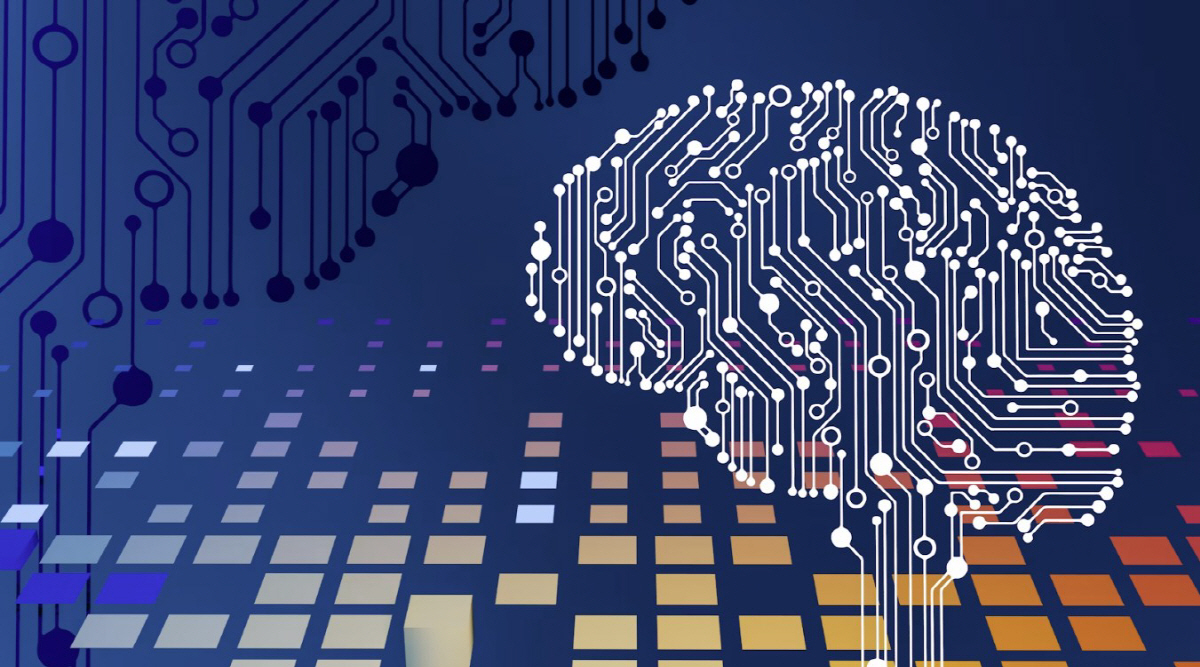
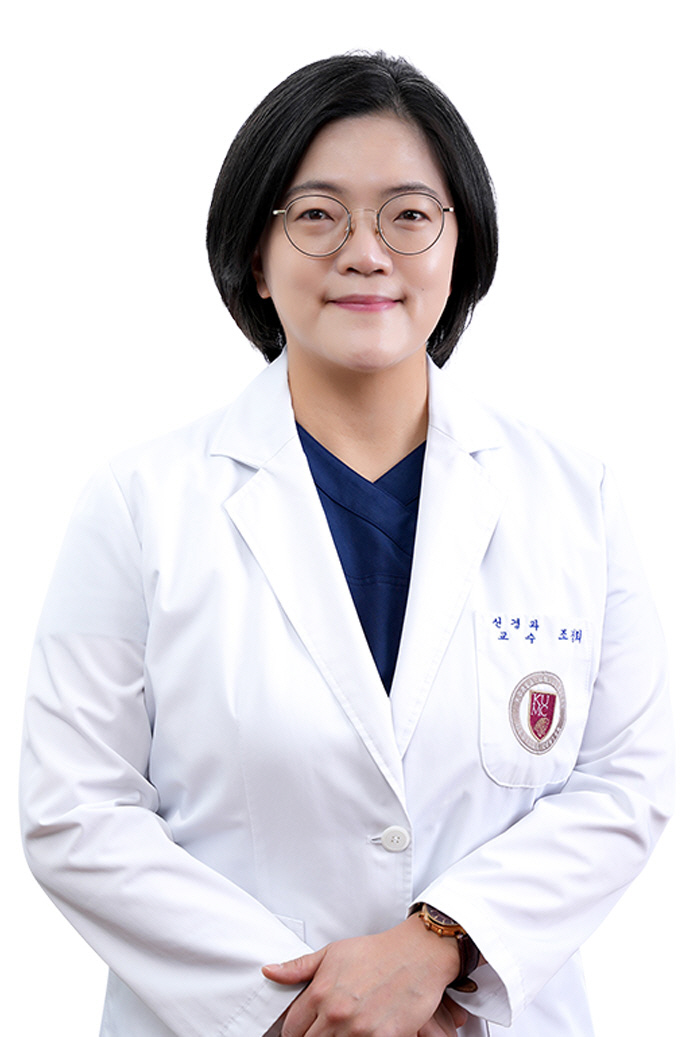
Recently, a research team led by Professor Jo Kyung-hee of the Department of Neurology at Korea University Anam Hospital, Professor Lim Ri-sa of the Department of Civil and Environmental Engineering at KAIST, and Professor Jeong Jo-un of the School of Electrical and Electronic Engineering at Sungkyunkwan University confirmed the potential of using non-contact IoT sensors installed at home and artificial intelligence (AI) to predict the prodromal stage of cerebrovascular disease and the risk of imminent diagnosis.
The study used smart home data from 1,224 single elderly people aged 65 and older in South Korea. The team analyzed 13,362 sets of 14-day observation data. The participants were divided into 598 controls with no history of cerebrovascular disease, 598 patients already diagnosed with cerebrovascular disease, and 28 prodromal cases who initially had no diagnosis history but were later transported to a hospital with cerebral infarction or cerebral hemorrhage.
Based on data from motion sensors, door sensors, and indoor temperature and humidity sensors, the team analyzed physical activity, sleep patterns, and indoor environmental information. In particular, the AI was trained to comprehensively learn changes in activity levels at home, movement before bedtime, nighttime activity, periods of inactivity, and fragmented sleep. Here, non-contact sensors refer to devices that can detect movement or environmental changes without being attached to the body, while prodromal cases refer to people who have not yet been diagnosed but are entering a stage in which the likelihood of disease onset is increasing.
The analysis showed that the AI model recorded an AUPRC of 0.85 in the task of distinguishing prodromal cerebrovascular disease cases. In the task of separating already diagnosed patients from controls with no history of cerebrovascular disease, it achieved an AUROC of 0.91. It also showed a sensitivity of 95.12%, specificity of 96.97%, and accuracy of 96.53% in predicting high-risk states in which diagnosis was imminent among prodromal cases.
The behavioral indicators that the AI considered important were also identified. When distinguishing prodromal cases, the main indicators were a sustained increase in movement during the pre-bedtime period from 10 p.m. to before 2 a.m., a decrease in inactive time, and a later sleep onset. Among already diagnosed patients, increased activity in the early morning hours and frequent interruptions in sleep were more pronounced. When predicting imminent diagnostic risk, evening inactivity, sustained activity levels, and indoor humidity emerged as important factors.
The study is meaningful in that it suggests the potential of a support tool that can help with early medical visits and testing by continuously monitoring changes in daily life. In particular, older adults living alone may notice symptoms late or delay hospital visits, so technology that noninvasively detects warning signs at home could be helpful in the future.
Professor Jo said, "Cerebrovascular disease is a condition in which early response greatly affects prognosis, but subtle changes are easy to miss in older patients," adding, "This study shows that behavioral changes in daily life can serve as digital indicators of cerebrovascular disease risk."
The study, titled "AI home monitoring for behavioral markers of cerebrovascular disease," was recently published in npj Digital Medicine, an international journal in the digital health field.
Jang Jong-ho, bellho@sportschosun.com
This article has been translated by GripLabs Mingo AI.