[Sportschosun reporter Jang Jong-ho] The Government of the United Kingdom has decided to completely ban the sale of high-caffeine energy drinks to people under 16 starting in April next year.
According to British media outlets, including The Guardian, once the rule takes effect, energy drinks containing more than 150 mg of caffeine per liter will not be sold to those under 16. The measure will apply not only to supermarkets and convenience stores, but also to restaurants, cafes, vending machines, and online shopping malls.
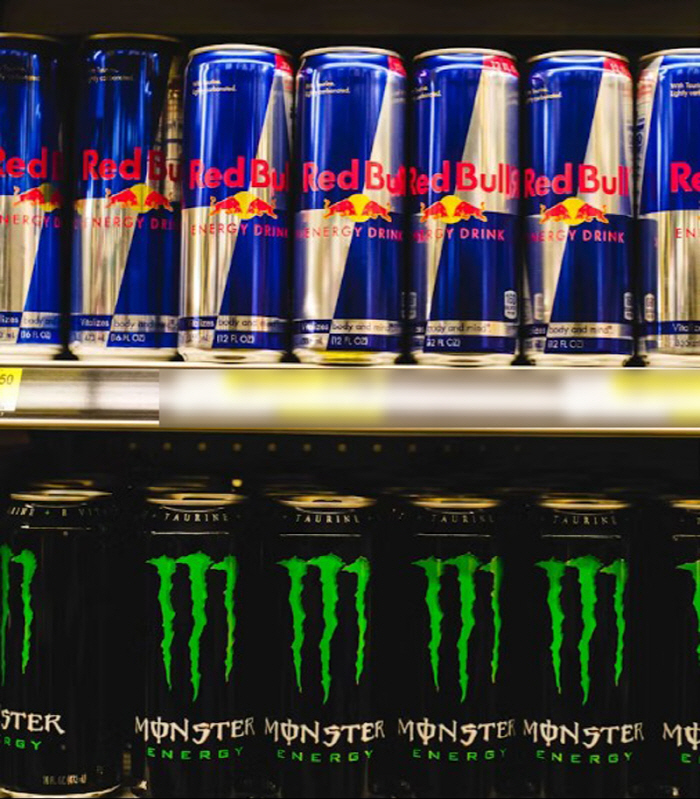
By contrast, ordinary low-caffeine carbonated drinks such as diet cola will not be subject to the regulation. Tea and coffee will also be exempt from the sales restriction. However, the media reported that many of the best-known energy drinks on the market, including Red Bull, Monster, Relentless, and Prime, are likely to exceed the limit and face sales restrictions.
The Government of the United Kingdom said the measure is intended to reduce childhood obesity and prevent health problems linked to high-caffeine drinks, including sleep disorders, anxiety, reduced concentration, and lower academic performance.
Public Health Minister Sharon Hodgson said, "This sales ban is a policy that shows the government's strong commitment to creating the healthiest generation of children ever."
The related bill will take effect after parliamentary approval, and local governments will handle enforcement. Businesses that violate the rule could face fines of up to 2,500 pounds, or about 5 million won.
According to the Government of the United Kingdom, an estimated 100,000 children in the country drink energy drinks every day. Some products contain more caffeine than two cups of coffee or four cans of cola, and excessive consumption is known to cause headaches and sleep disorders.
Experts explain that children and teenagers may react more sensitively to caffeine than adults because they are smaller in build and their brains are still developing. Excessive caffeine intake can sharply raise heart rate and may cause arrhythmia or seizures. In rare cases, deaths have also been reported.
The British Nutrition Foundation also pointed out that energy drinks high in sugar can increase the risk of obesity and tooth decay.
The British Soft Drinks Association, however, pushed back, calling the move "unnecessary regulation." It argued, "Our member companies have voluntarily pledged since 2010 not to market or promote the sale of energy drinks to those under 16, and all high-caffeine drinks carry warning labels advising against consumption by children."
Jang Jong-ho, bellho@sportschosun.com
This article has been translated by GripLabs Mingo AI.