

[Sportschosun reporter Jang Jong-ho] Many women assume worsening menstrual cramps or a sudden increase in menstrual flow is just a temporary drop in condition and try to get by with painkillers. However, recurring lower abdominal pain and heavy bleeding may be signs of adenomyosis. Adenomyosis can reduce quality of life and also affect pregnancy, so early diagnosis and proper treatment are necessary.
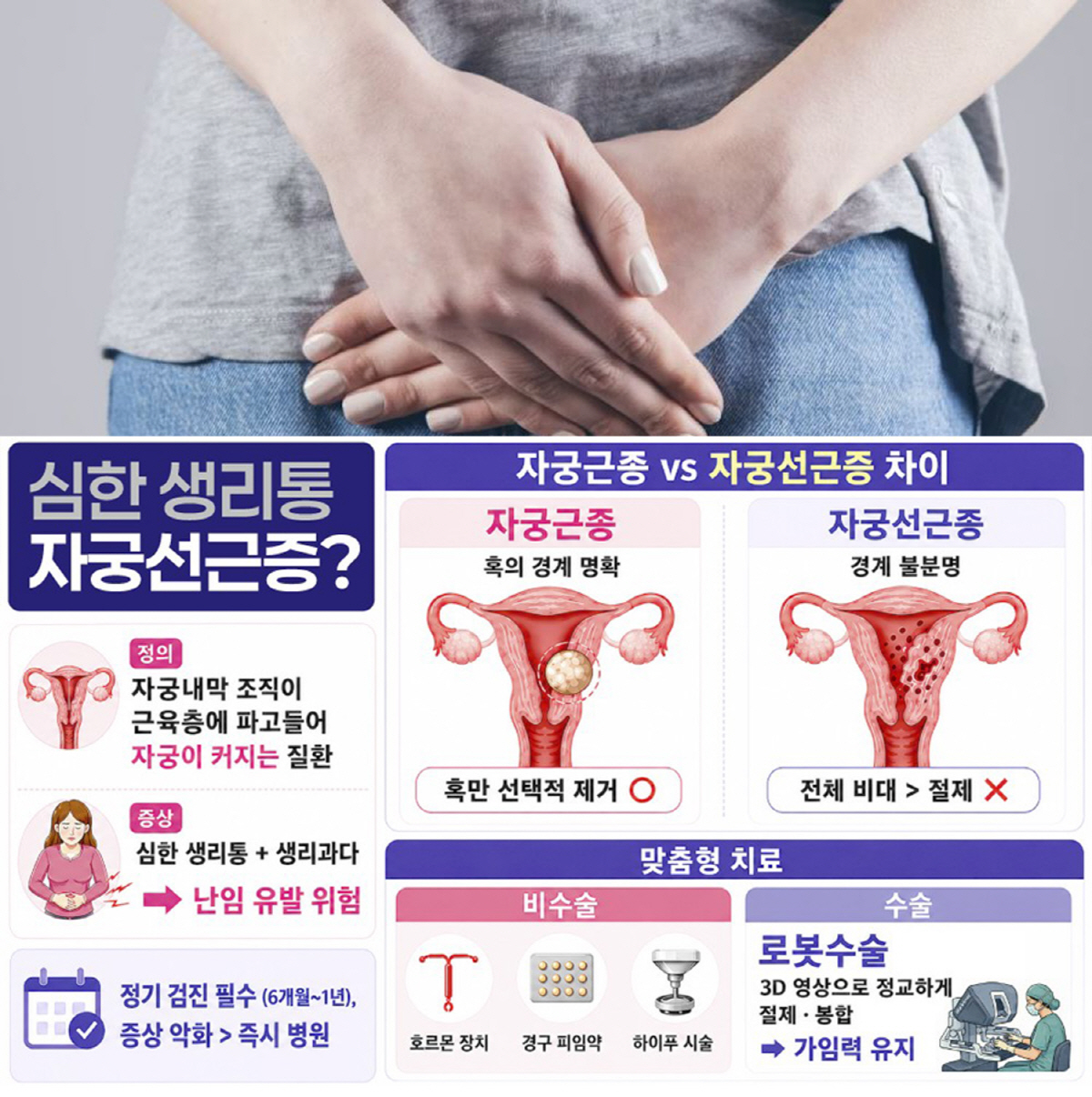
According to the Health Insurance Review & Assessment Service (HIRA), the number of patients with adenomyosis rose by more than 27% from 99,993 in 2020 to 126,878 in 2024. Adenomyosis is a condition in which endometrial tissue invades and grows into the uterine muscle layer. As the uterus enlarges and its normal contraction function declines, it can cause heavy menstrual bleeding and severe cramps.
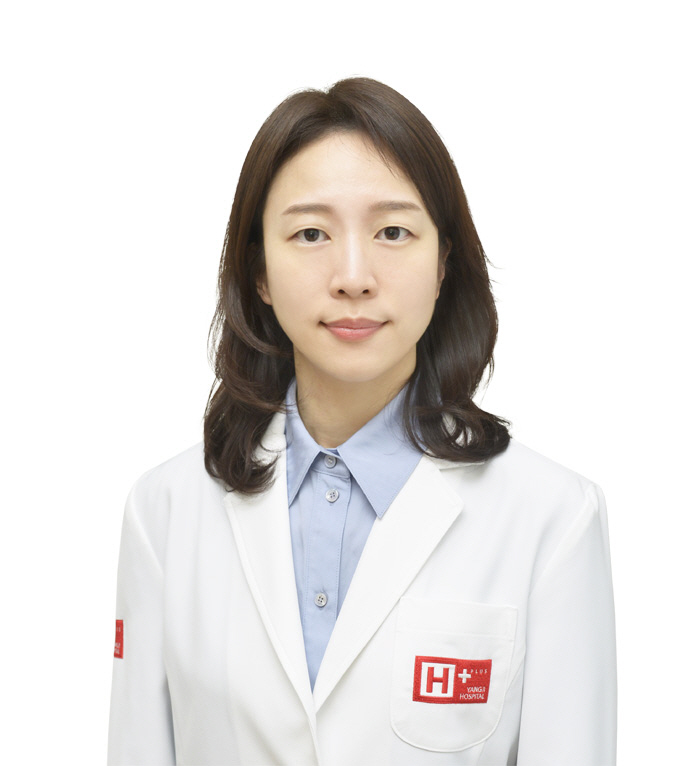
Um Hye-rim, an obstetrician and gynecologist at H Plus Yangji Hospital, said, "Adenomyosis often occurs alongside uterine fibroids and endometriosis rather than on its own." She added, "In particular, when the uterine wall becomes hard and thick due to adenomyosis, implantation of a fertilized egg becomes difficult, which can lead to infertility."
The biggest feature of adenomyosis is that the uterine wall becomes generally thicker, causing the uterus to enlarge abnormally. In some cases, a mass can be felt in the lower abdomen. It mainly affects women between the ages of 35 and 50, but it can also occur in younger women of childbearing age. The risk is higher in women who have given birth multiple times or have a history of uterine surgery. It is a common condition, with a prevalence rate of 21% among women who visit hospitals for heavy menstrual bleeding, pelvic pain, or infertility symptoms, but early diagnosis is not easy. For that reason, pelvic MRI scans are performed after pelvic examinations and ultrasound tests to establish an accurate diagnosis and treatment plan.
Adenomyosis is easy to confuse with uterine fibroids because the symptoms are similar, but the causes and treatments are different. Adenomyosis is often accompanied by severe menstrual cramps, while uterine fibroids are benign tumors in the uterus. In most cases, treatment can remove only the fibroids, and hysterectomy is performed only when symptoms are severe.
By contrast, adenomyosis causes endometrial tissue to invade the muscle layer, enlarging the entire uterus and making the lesion boundaries unclear, which makes it difficult to remove only the affected area. For that reason, hysterectomy used to be the main treatment.
Recently, however, customized treatment has become possible depending on the patient's age, symptoms, and whether she wishes to preserve fertility. When uterine preservation is needed, symptoms can be managed with an intrauterine hormonal device, oral contraceptives, and painkillers, or a HIFU procedure can be performed. Robotic surgery is also considered an effective option for patients planning pregnancy because it preserves normal tissue as much as possible while precisely removing adenomyotic lesions and allowing delicate suturing with a 3D stereoscopic view.
There is still no clear cause of adenomyosis, so there is no definite way to prevent it. Because early symptoms are often minimal or mistaken for ordinary menstrual cramps, diagnosis can be delayed. That is why prompt diagnosis and early treatment are important.
Um Hye-rim emphasized, "For women of childbearing age or those who have given birth, getting an ultrasound exam at a gynecology clinic every six months to a year is the best preventive measure and the first step toward early diagnosis." She added, "If menstrual flow suddenly increases or pain becomes worse before or after the period, you should seek medical attention immediately."
Jang Jong-ho, bellho@sportschosun.com