[Sportschosun Reporter Jang Jong-ho] As the monsoon season gets underway, health management has also become urgent. Day after day of heavy rain, high humidity and limited sunlight can affect the body in many ways, triggering various illnesses or worsening existing conditions, so extra care is needed. In particular, falls on slippery surfaces are rising sharply, and the humid environment also allows bacteria and mold to spread quickly, increasing the risk of skin and respiratory diseases.
◇Falls on rainy roads threaten joint and bone health
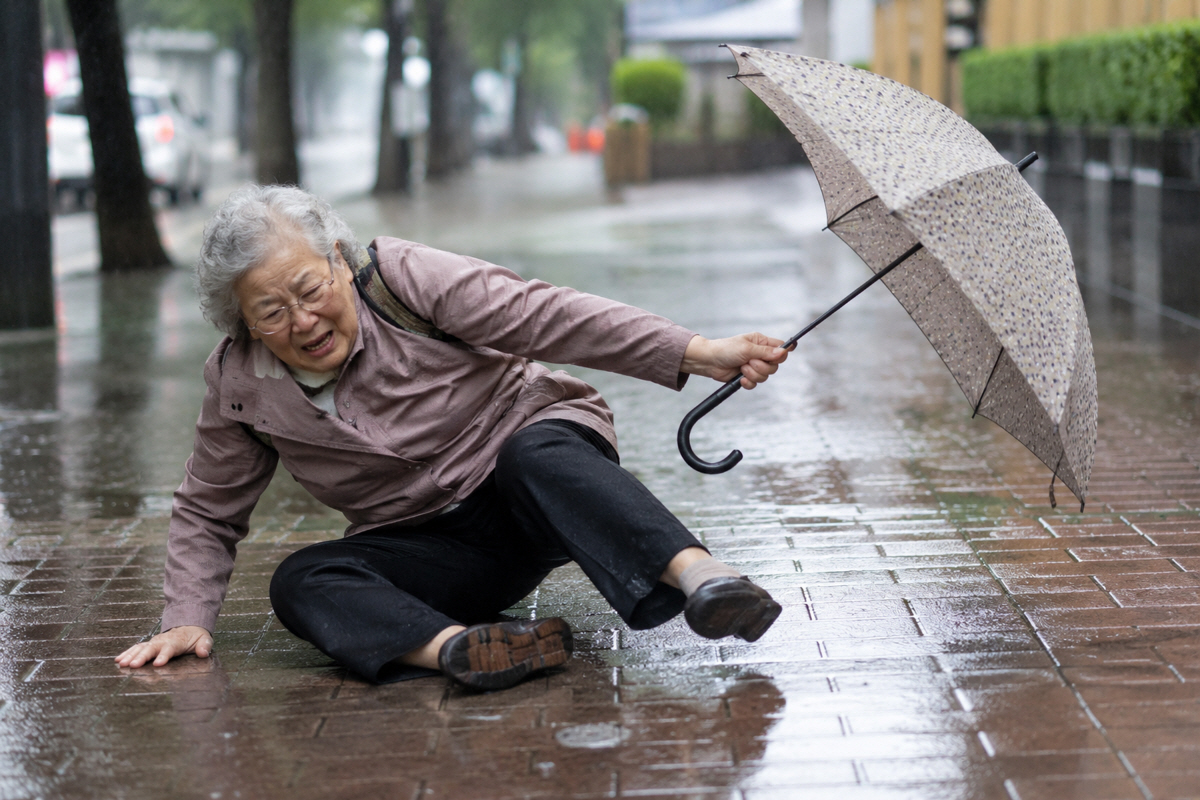
During the rainy season, sidewalks, crosswalks, stairs and marble floors become much more slippery than usual because of rainwater. As a result, falls caused by a sudden loss of balance happen frequently.
A fall may only cause a bruise, but in severe cases it can lead to serious injuries such as ligament tears, cartilage damage or fractures. It is not uncommon for people to instinctively put out a hand when falling and suffer a wrist fracture, or to hit the knee hard and damage the meniscus or cruciate ligaments. Ankle sprains, in which the ankle twists and the ligaments stretch or tear, are also a typical rainy-season injury.
Older adults need to be especially careful. For seniors with osteoporosis, even a minor fall can cause a potentially fatal hip fracture or vertebral compression fracture.
Not only the risk of falls, but also people with existing joint conditions need to pay closer attention to pain management during the rainy season.
Changes in air pressure and high humidity increase the pressure inside the joints, which can worsen pain.
Patients with degenerative arthritis or those who have undergone knee surgery are especially sensitive to these changes.
Lee Dong-nyung, director of Orthopedic Surgery at Himchan Hospital, said, "It is easy to think that joint pain worsens only in winter, but the hot and humid summer also brings many factors that aggravate pain for arthritis patients." He added, "If knee pain and swelling become severe, or if warmth and tenderness are accompanied by them, an accurate diagnosis is needed."
To prevent falls, wear shoes with anti-slip features and take shorter steps while walking more slowly than usual. When going up or down stairs, hold the handrail, and avoid walking with your hands in your pockets or while looking at your smartphone.
◇Athlete's foot and eczema surge
During the rainy season, indoor and outdoor humidity often exceeds 80%, causing a sharp increase in patients with skin diseases. That is because hot and humid conditions are ideal for mold and bacteria to multiply.
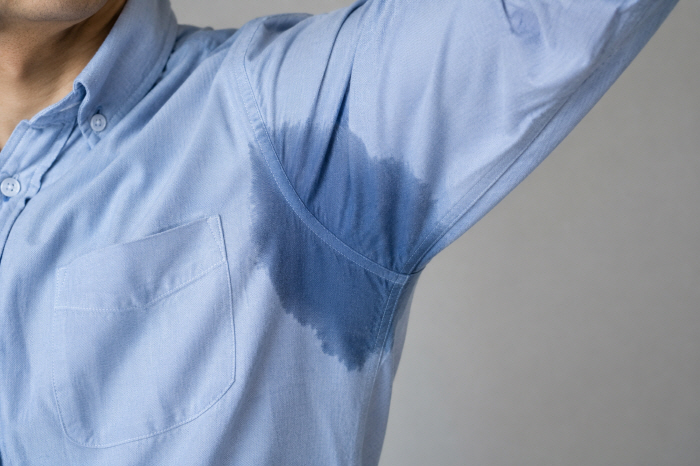
The most common condition is athlete's foot. Feet are poorly ventilated inside shoes and are often exposed to sweat and rainwater, making it easy for fungal infections to spread. If the skin between the toes turns white and macerated, or if itching, flaking or blisters appear, athlete's foot should be suspected. If left untreated, the infection can spread to the fingernails and toenails, prolonging treatment. Heat rash and eczema often develop in areas where skin folds, such as the armpits, groin and under the breasts. People with a weak skin barrier may suffer severe itching and inflammation, and repeated scratching can lead to a secondary bacterial infection that makes the symptoms even worse.
To prevent skin diseases, it is just as important to dry the body thoroughly as it is to wash it well. After going out, change out of wet clothes and socks immediately, and after showering, make sure to dry off all moisture completely, including between the toes and in skin folds. It is also best to wear breathable cotton clothing and to dry shoes thoroughly on the inside before wearing them.
◇Watch for worsening respiratory diseases
During the rainy season, people spend more time with windows closed, which raises indoor humidity and lowers air quality. Mold and house dust mites that grow on wallpaper, window frames, bathrooms and inside air conditioners become major causes of worsening allergic rhinitis and asthma.
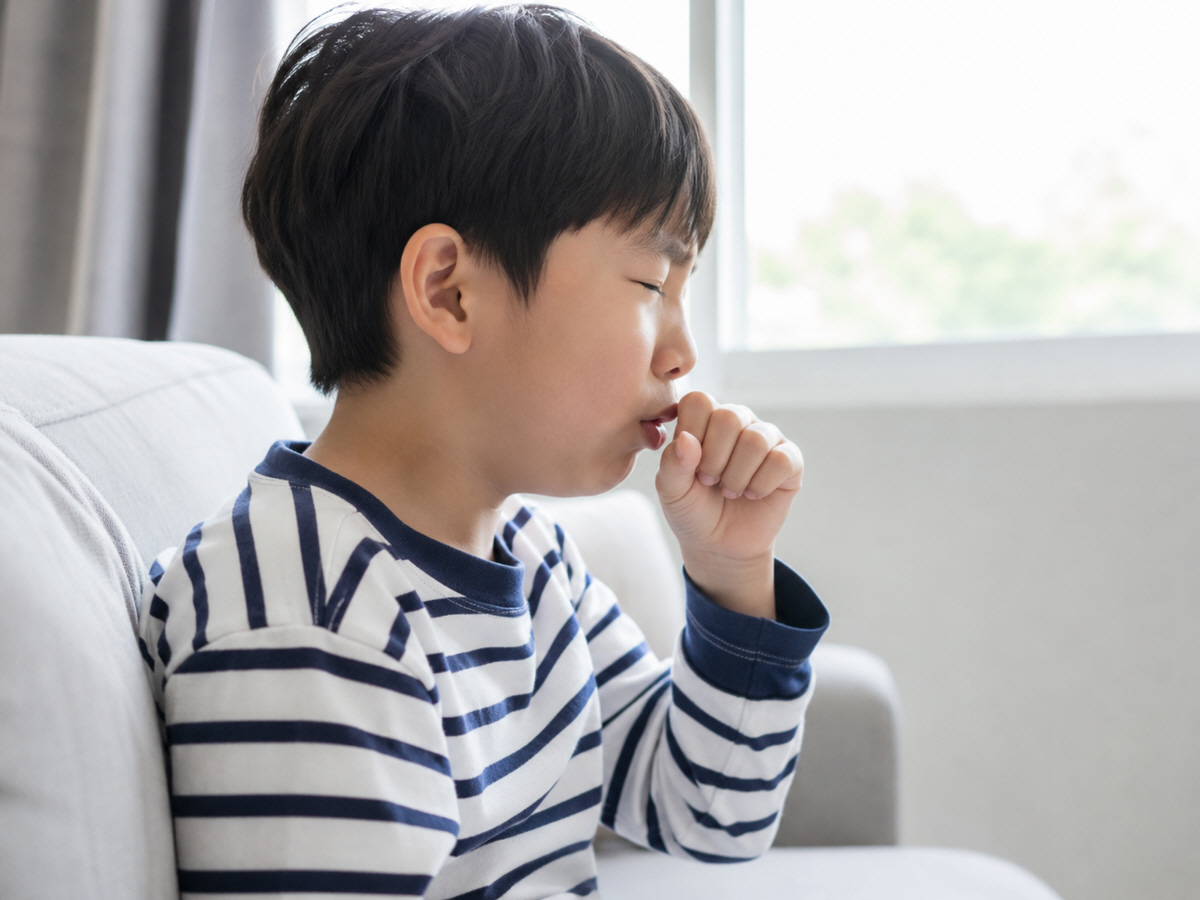
Continuous exposure to mold spores can cause sneezing, runny nose, nasal congestion and itchy eyes, as well as coughing, phlegm and shortness of breath. Patients with existing asthma or chronic obstructive pulmonary disease (COPD) may see their symptoms worsen rapidly, and children or older adults with weaker immune systems are also more likely to develop bronchitis or pneumonia. In particular, if an air conditioner is used without cleaning the filter, mold and dust inside the unit can spread throughout the room and harm respiratory health.
To prevent respiratory diseases, it is most important to keep indoor humidity at a proper level of 40% to 60%. Make active use of a dehumidifier or the dehumidifying function on an air conditioner, and when the rain briefly lets up, open the windows to ventilate the room.
Experts emphasized, "During the rainy season, even small changes in daily habits can prevent falls, skin diseases and respiratory diseases to a significant extent." They added, "If you notice anything unusual in your condition, do not ignore it and seek medical attention early."
Jang Jong-ho, bellho@sportschosun.com