[Sportschosun Reporter Jang Jong-ho] In the summer, people often wear shoes that leave their feet exposed, such as slippers and sandals.
As outdoor activities increase at valleys, swimming pools, and beaches, blisters, scrapes, and small cuts on the feet also become common.
Most of them heal naturally over time, but for patients with diabetes, even a minor wound can lead to a much bigger problem than expected.
Diabetic foot, or diabetic foot disease, is a condition in which wounds, ulcers, and infections occur on the feet of patients with diabetes. Diabetic neuropathy is one of its causes. When diabetes damages the peripheral nerves, sensation in the feet becomes dull. The soles may feel numb, as if they belong to someone else, and because pain is reduced even when a wound develops, it may take longer to notice. Wearing tight shoes, leaving calluses or corns untreated, and walking barefoot all increase the risk of diabetic foot.
Lee Won-woo, head of the Foot Center in the Orthopedic Surgery Department at Seran General Hospital, said, "In summer, people walk barefoot or wear slippers more often, and sweat and moisture weaken the skin, which further increases the risk of foot injuries." He added, "Patients with diabetes need to pay attention to foot health regardless of the season, but extra care is especially important in summer, when feet are more exposed."
Early signs of diabetic foot include tingling, burning sensations, dry and cracked skin, and feet that feel cold or chilled. As the condition progresses, wounds heal poorly, blisters or ulcers develop, and discharge may appear. Patients should visit a hospital if a wound does not heal for more than one to two weeks, if the foot becomes red, if discharge or swelling occurs, or if foot deformity and difficulty walking are present.
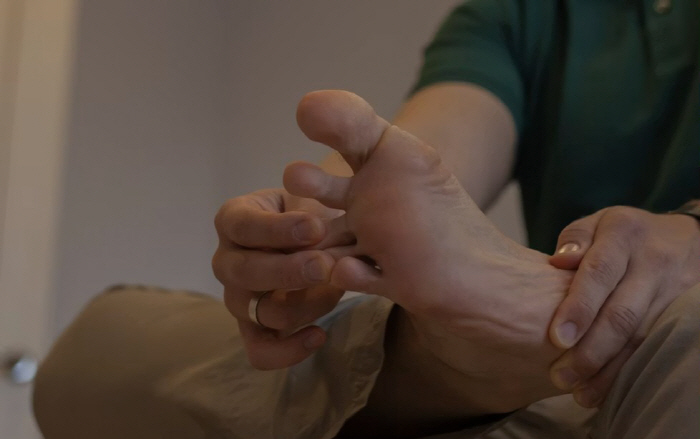
Lee explained, "Patients with diabetes should check the condition of their feet every day, including the soles, between the toes, and the heels. If a wound does occur, even a simple scratch should be properly disinfected, and the size, color, and presence of swelling should be monitored."
He also warned, "Diabetic foot is not a condition that appears suddenly. It often starts with tingling, reduced sensation, and small wounds. In particular, if a wound does not heal for more than one to two weeks, or if swelling and discharge develop in the foot, patients should seek early treatment from a foot specialist to prevent ulcers and amputation."
Jang Jong-ho, Reporter bellho@sportschosun.com