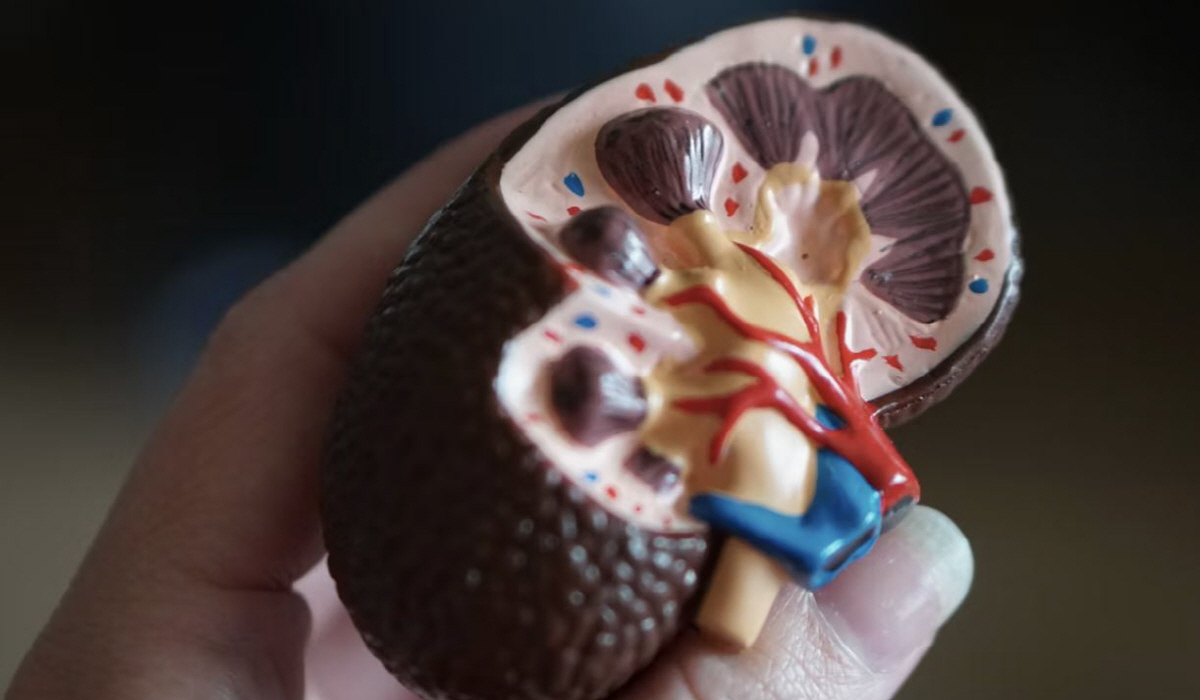
[Sportschosun Reporter Jang Jong-ho] Once the kidneys are damaged, it is difficult to restore them. The problem is that kidney damage usually progresses silently.
According to the 2024 National Health Statistics released by the Korea Disease Control and Prevention Agency (KDCA), the prevalence of chronic kidney disease among adults aged 19 and older in South Korea was 6.3%. The rate rose with age, reaching 25.9% among those aged 70 and older, meaning that about one in four people in that age group had chronic kidney disease.
The kidneys are bean-shaped organs located on both sides of the spine in the back. They act as the body's internal filtration system. They remove waste through urine, maintain fluid, electrolyte, and acid-base balance, and secrete hormones involved in blood pressure control, red blood cell production, and bone health.
The problem is that the kidneys often show no clear symptoms until they have lost more than half of their function. For that reason, they are often called a "silent organ." Chronic kidney disease refers to a condition in which reduced kidney function or signs of kidney damage, such as hematuria or proteinuria, persist for more than three months. Kidney function is assessed by the glomerular filtration rate (eGFR), and the condition is classified from stage 1, which is normal, to stage 5, when almost no kidney function remains and dialysis or transplantation is needed.
The leading causes of chronic kidney disease are diabetes and high blood pressure.
Persistently high blood sugar and blood pressure damage the kidneys' tiny blood vessels and lead to declining function. As the population ages and chronic diseases become more common, the number of patients has continued to rise. However, many people do not realize they have the disease because there are no special symptoms in the early stages.
As the disease progresses, symptoms such as swelling in the legs or around the eyes, nighttime urination, foamy urine, fatigue, and anemia may appear. But by the time these symptoms show up, kidney function is often already significantly reduced, making it dangerous to judge one's health based on symptoms alone.
The key to early detection is regular testing.
Blood tests can check serum creatinine and the glomerular filtration rate (eGFR), while urine tests can assess whether protein is present. For high-risk groups such as patients with diabetes or hypertension, or those with a family history, it is advisable to check kidney function regularly even if there are no symptoms.
Treatment focuses on carefully managing the underlying conditions, diabetes and hypertension, while using medication to lower blood pressure and proteinuria. It also aims to slow kidney function decline as much as possible by managing complications such as anemia, mineral and bone disease, electrolyte imbalance, and metabolic acidosis. If the disease progresses to end-stage kidney disease (stage 5), renal replacement therapy such as hemodialysis, peritoneal dialysis, or kidney transplantation is required.
Lifestyle management is also important. The KDCA recommends consistent treatment for hypertension and diabetes, maintaining a healthy weight, following a low-salt diet, exercising regularly, quitting smoking, drinking enough water, and having regular urine and blood tests as key rules for preventing and managing chronic kidney disease. It also stresses that patients should adjust their protein and potassium intake according to kidney function and continue taking prescribed medications regularly.
Professor Kim Ji-eun of the nephrology department at Korea University Guro Hospital said, "Chronic kidney disease often shows no obvious symptoms until it has progressed significantly, so without testing, it is easy to miss the fact that the kidneys are getting worse." She added, "For people with diabetes or high blood pressure in particular, it is important to check kidney function regularly through blood and urine tests even if they have no symptoms."
She continued, "Once kidney function declines, it is difficult to restore it to its original state, so early detection and consistent management are the most important things." She added, "Controlling blood pressure and blood sugar, and practicing healthy habits such as a low-salt diet, regular exercise, and quitting smoking, can help slow the progression of chronic kidney disease."
Jang Jong-ho, bellho@sportschosun.com
This article has been translated by GripLabs Mingo AI.