


[Sportschosun, Jang Jong-ho] Colorectal cancer is one of the cancers whose risk rises with age. However, due to Westernized eating habits, lack of exercise, obesity, drinking, and smoking, the number of patients in their 20s to 40s has also been steadily increasing. Experts say colorectal cancer is no longer a disease limited to older adults and stress the importance of prevention and early screening regardless of age.
According to a study published in the renowned medical journal Lancet, the incidence of colorectal cancer among Koreans aged 20 to 49 was about 12.9 cases per 100,000 people. That was higher than Australia's 11.2 and the United States' 10, making it the highest among 42 countries surveyed. The findings suggest that colorectal cancer is no longer a disease only for the elderly and that younger people must also remain vigilant.
The problem is that colorectal cancer can progress for a long time without any specific symptoms. In many early cases, there are almost no noticeable signs, and it is often discovered by chance during a health checkup or colonoscopy.
As colorectal cancer advances, symptoms such as bloody stool, changes in bowel habits, abdominal pain, weight loss, and anemia may appear. However, these symptoms are also easy to mistake for common digestive disorders or hemorrhoids. In particular, some people see blood in the stool and assume it is just hemorrhoids, delaying a hospital visit. If the symptoms persist, it is important to get an accurate diagnosis.
The most important step in preventing colorectal cancer and detecting it early is regular screening. In South Korea, the National Cancer Screening Program provides colorectal cancer screening for adults above a certain age. For those with a family history or a history of colon polyps, it is necessary to consult a specialist and establish a more proactive screening plan.
A colonoscopy can not only detect colorectal cancer at an early stage, but also help prevent the disease itself by removing polyps, which are precancerous lesions. That is why it is important to undergo the test at the recommended time, even if there are no specific symptoms.
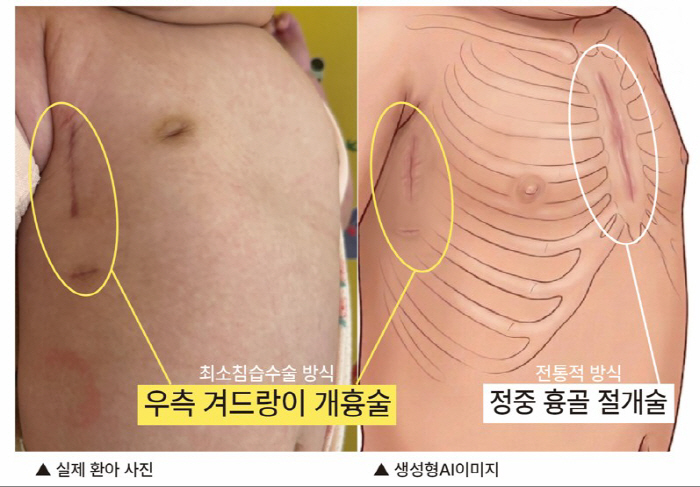
The earlier colorectal cancer is found, the better the treatment outcomes. Recently, advances in minimally invasive procedures such as laparoscopic surgery have made it possible to reduce pain and support recovery. But no matter how much treatment technology improves, the best treatment remains early detection and prevention.
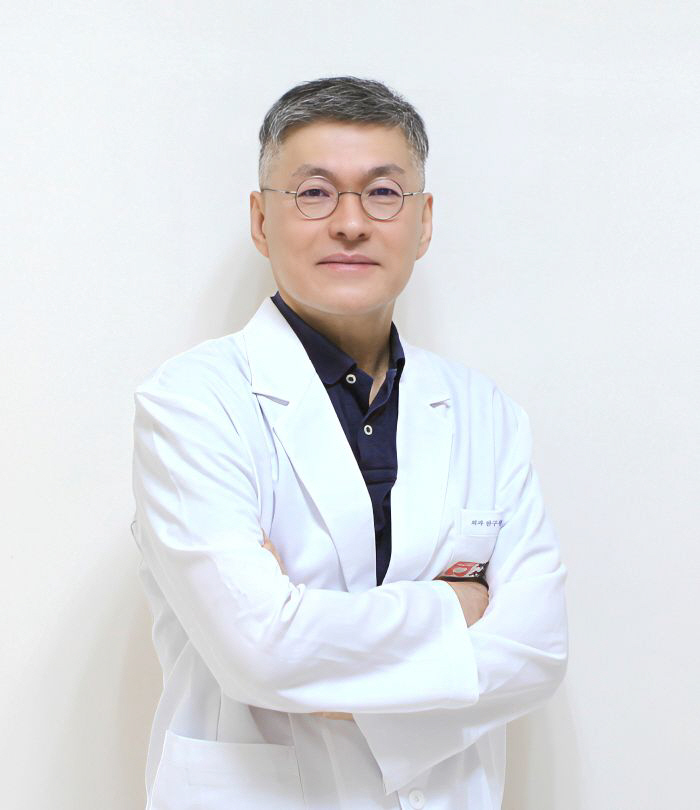
Han Gu-yong, head of surgery at Seoul Metropolitan Seonam Hospital, advised, "Colorectal cancer is no longer a disease limited to a specific age group. It is important to maintain a balanced diet, exercise regularly, and make quitting smoking and limiting alcohol part of daily life." He added, "Even if you have no symptoms, you should make it a habit to check your health through regular screenings." Rather than thinking, 'I'm still young, so I'll be fine,' it is more important than ever to protect colon health through regular checkups and a healthy lifestyle.
Jang Jong-ho, bellho@sportschosun.com