[Sportschosun reporter Jang Jong-ho] Ovarian cancer, which shows almost no early symptoms, is known as one of the deadliest cancers among female reproductive cancers.
Because the ovaries are located deep in the abdomen, many patients do not notice anything unusual until the tumor has grown quite large. Many seek medical care after experiencing common symptoms such as abdominal bloating or indigestion, only to be diagnosed with ovarian cancer after testing.
Ovarian cancer is most common in women in their 50s to 70s, and the risk increases after menopause. In particular, epithelial ovarian cancer, which accounts for most ovarian cancer cases, is often already at stage 3 or later at the time of diagnosis. As a result, it is considered one of the female reproductive cancers with a relatively poor prognosis.
The exact cause of ovarian cancer has not yet been clearly identified, but several risk factors are known. The risk rises significantly in people with BRCA gene mutations, and it is also higher for those with a family history of ovarian cancer. A history of breast cancer, endometrial cancer, or colorectal cancer can also increase the likelihood of developing ovarian cancer. In addition, the more times a woman ovulates, the higher the risk becomes.
Obesity, in particular, is a clear risk factor confirmed by multiple large-scale studies. When body mass index, or BMI, is 30 or higher, the risk of ovarian cancer is about 27% higher, and the risk is reported to rise sharply once BMI exceeds 28.
Ovarian cancer is difficult to detect early because it rarely causes symptoms in its initial stages. The most common symptoms are abdominal bloating, a feeling of fullness, indigestion, loss of appetite, and early satiety. Because these are symptoms people often experience in everyday life, they are easy to dismiss. However, if they recur or gradually worsen, it is important to see a specialist. As the disease progresses, fluid may build up in the abdomen, causing swelling or pain, and a lump may also be felt in the abdomen.
Diagnosis begins with a medical history review and a pelvic exam, followed by ultrasound, blood tests, and imaging studies such as CT or MRI. The CA-125 tumor marker measured in blood tests can help with diagnosis, but it cannot confirm cancer on its own, so multiple test results must be considered together. A final diagnosis is made through a tissue biopsy after surgery.
The basic treatment principle is surgery to remove as much of the tumor as possible, combined with chemotherapy. After surgery, chemotherapy is given to eliminate any remaining cancer cells. It is usually administered six times at three-week intervals, and ongoing management is needed for side effects such as vomiting, hair loss, and a drop in white blood cells. In younger patients diagnosed early who need to preserve fertility, conservative treatment that removes only one ovary and fallopian tube may also be considered.
Meanwhile, high-risk individuals with a family history or confirmed BRCA gene mutations should receive genetic counseling to accurately assess their risk. After childbirth, they can discuss proactive risk-reduction strategies with a specialist, such as preventive removal of the fallopian tubes and ovaries. This approach is known to lower the risk of ovarian cancer and death.
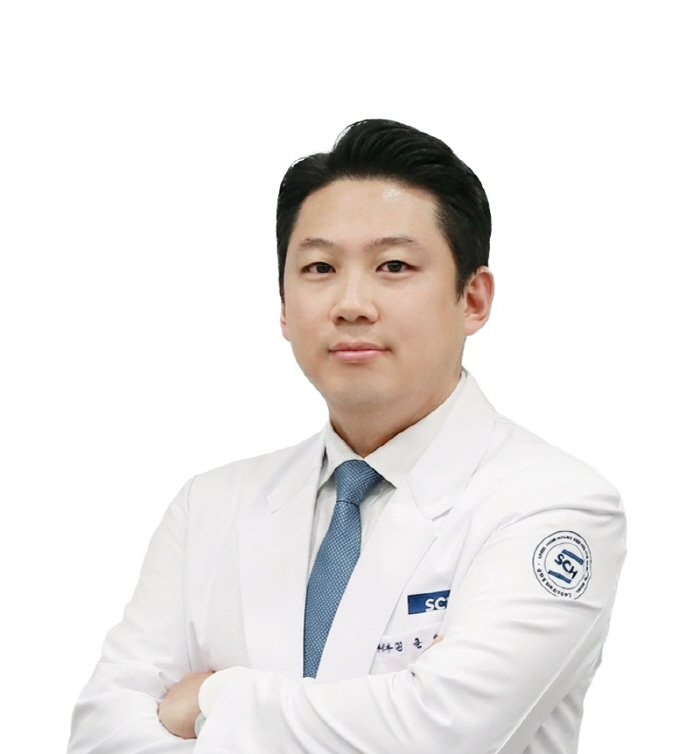
Kim Jun-hwan, professor of obstetrics and gynecology at Soonchunhyang University Seoul Hospital, said, "Early-stage ovarian cancer has a favorable prognosis, with a five-year survival rate of about 90%, so it is important not to dismiss persistent abdominal bloating or indigestion and to see a specialist early." He added, "For high-risk individuals, especially those with a family history of ovarian or breast cancer or suspected BRCA gene mutations, genetic counseling can be helpful for personalized care."
Jang Jong-ho, reporter, bellho@sportschosun.com