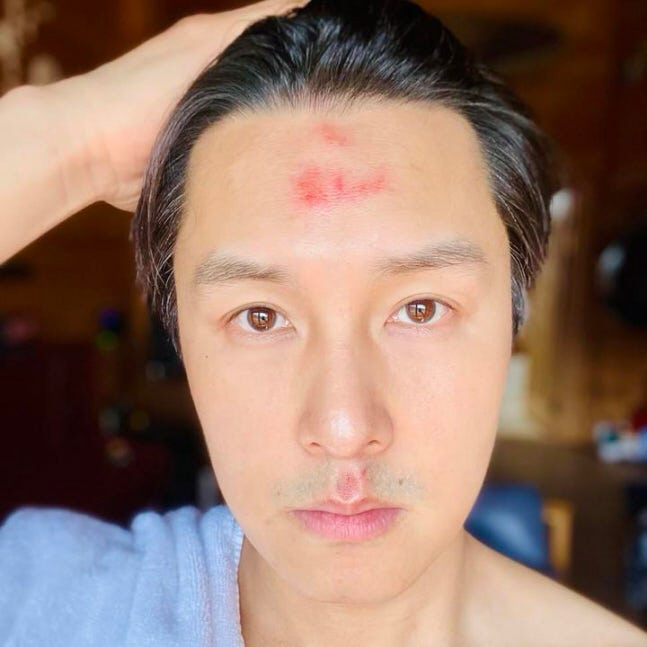
Summer, when sunlight is stronger and ultraviolet levels peak, is the season when melasma tends to darken the most and appear more easily.
Melasma is also influenced by hormonal changes, pregnancy, birth control pills, stress and genetics, but ultraviolet rays are considered one of the biggest causes.
To prevent cell damage caused by intense summer UV exposure, the skin produces more melanin, and the pigment accumulates in one area, causing melasma to appear or become darker. Heat from high temperatures can also trigger inflammatory reactions, which are known to worsen melasma. It usually develops on areas that receive a lot of sunlight, such as the cheeks, forehead, nose and chin. Drivers should be especially careful, as the left side of the face is exposed to more sunlight.
Once melasma takes hold, it is difficult to heal naturally, so prevention and early treatment are necessary.
The first step in preventing melasma is thorough sun protection. Before going outside, it is recommended to apply sunscreen with SPF 30 and PA+++ or higher, and reapply every two to three hours. Physical protection such as parasols, hats and sunglasses is also advisable. Eating plenty of fruits and vegetables rich in vitamin C and consistently using cosmetics containing vitamin C and niacinamide, which help suppress melanin synthesis, can also be effective.
If melasma has already developed, treatment with over-the-counter medicines sold at pharmacies, dermatology laser procedures or prescription drugs is needed.
The best-known ingredient in melasma treatments is hydroquinone. Hydroquinone suppresses the activity of melanocytes, the cells that produce melasma-related pigment, and blocks the action of tyrosinase, the enzyme involved in melanin synthesis. By inhibiting melanin production, it helps pigmentation gradually fade over time.
Many of the melasma treatments currently on the market contain 2% to 4% hydroquinone as a key ingredient. This summer as well, a range of treatments using hydroquinone and related campaigns are being actively rolled out.
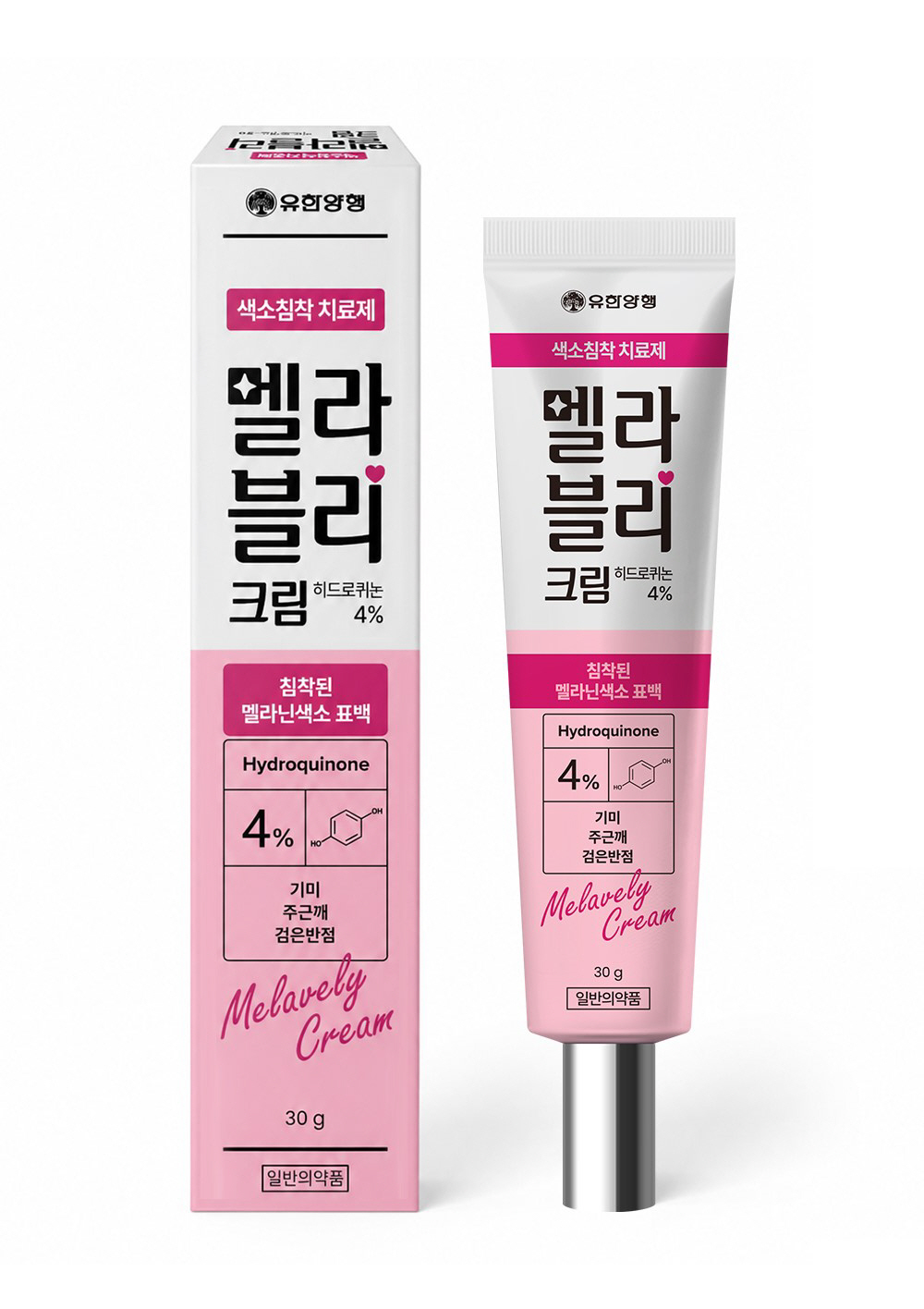
Yuhan Corporation recently introduced 'Melavli Cream,' a high-concentration melasma treatment whose main ingredient is 4% hydroquinone and which suppresses melanin synthesis.
It is applied as a thin layer once or twice a day, in the morning or before bed, to areas of pigmentation such as melasma, freckles and age spots. Because of the ingredient's characteristics, sunscreen must be used at the same time, and long-term continuous use should be avoided.
Yuhan Corporation said clinical trials proved the cream's effectiveness. According to a double-blind, placebo-controlled trial published in the Journal of Dermatological Treatment, 12 weeks of 4% hydroquinone treatment in patients with melasma led to a marked improvement in pigmentation spots in 40% of the treatment group. The company said this was a statistically significant result compared with the placebo group's improvement rate of 10%.
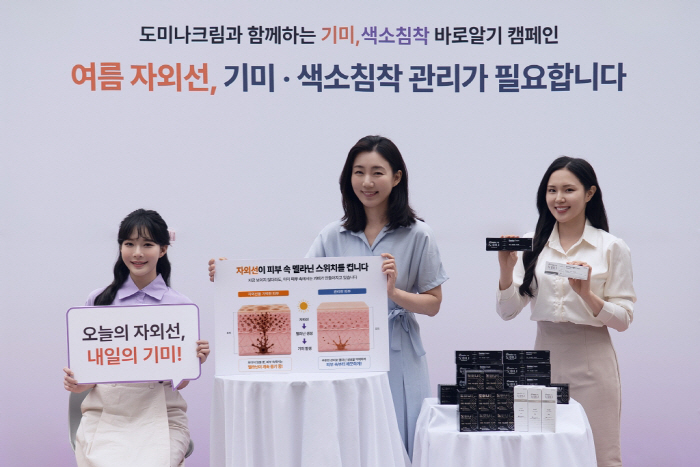
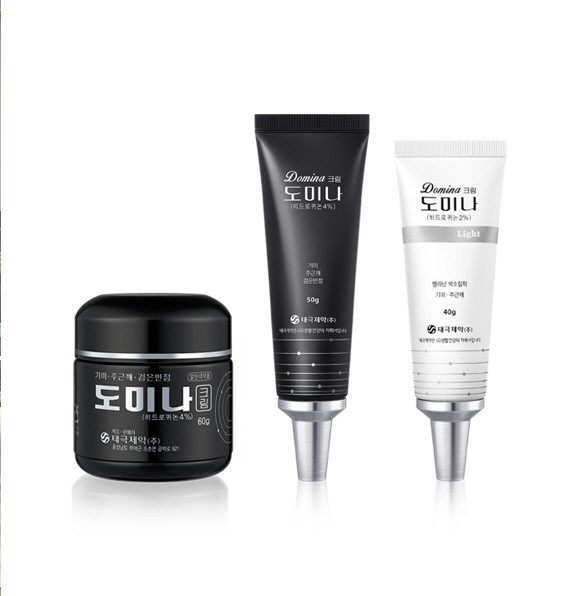
Taegeuk Pharmaceutical is currently running active campaigns, seminars and promotions centered on its long-selling 'Domina Cream.'
Domina Cream, an over-the-counter product whose main ingredient is 4% hydroquinone, is Taegeuk Pharmaceutical's flagship melasma treatment and has been sold for more than 40 years since its launch in 1985. On the 25th of last month, the company held the 'Melasma and Pigmentation Awareness Campaign with Domina Cream' at COEX Asem Plaza in Seoul. It also recently organized medication guidance materials and seminars at the Daegu Pharm Fair, Seoul Pharm Expo and Chungbuk Pharmacists Pharm Fair.
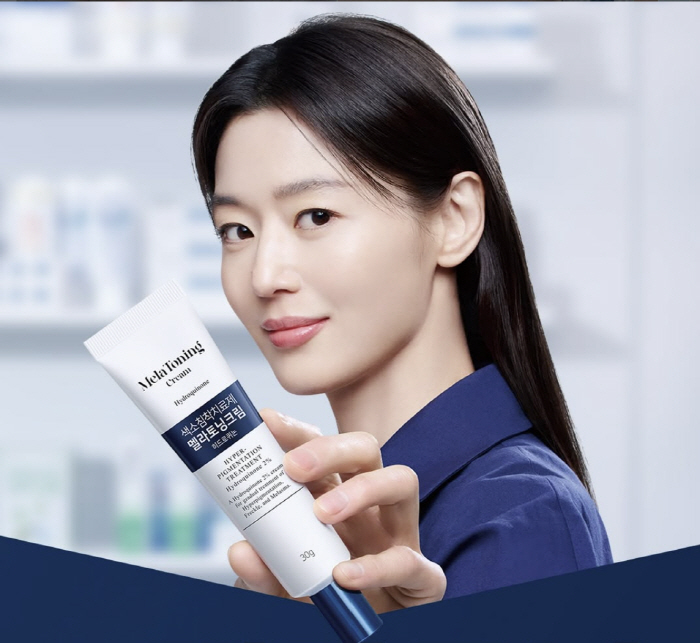
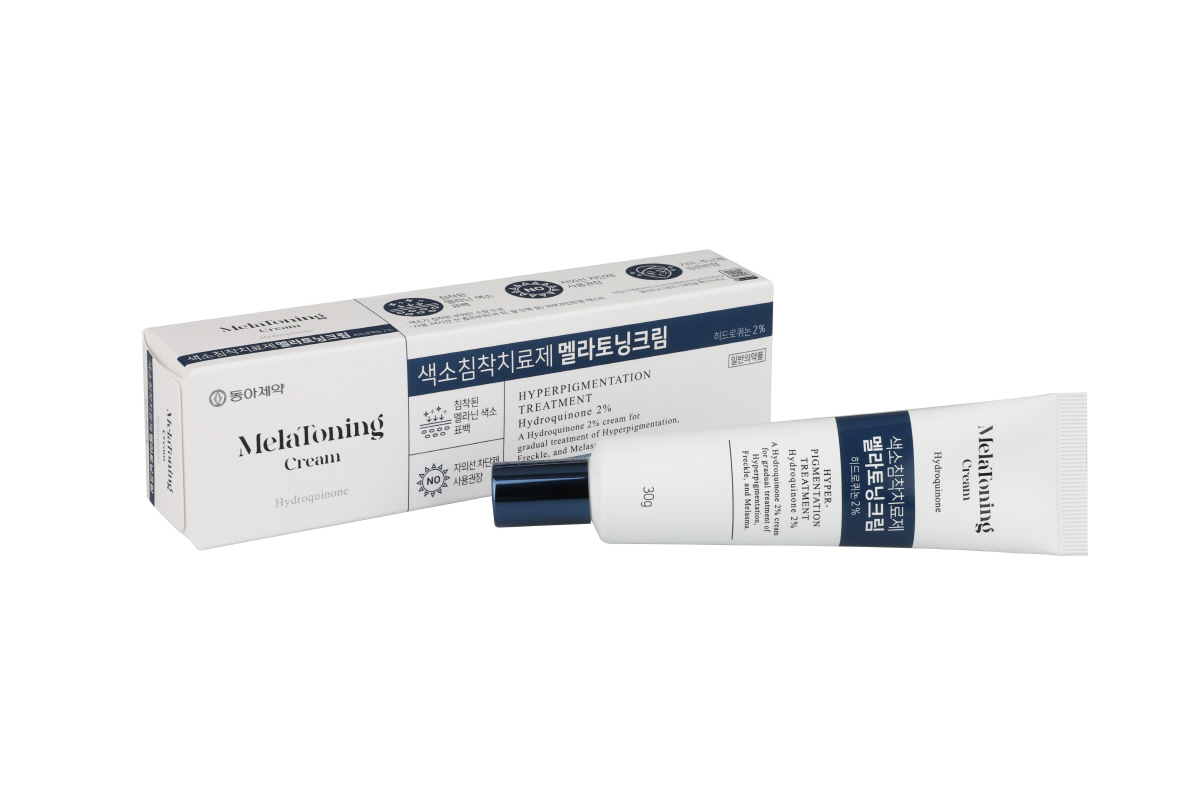
Dong-A Pharmaceutical's pigmentation treatment Melatoning Cream, which contains 2% hydroquinone, surpassed 3 million cumulative units in sales five years after its launch. Last year alone, it sold more than 1.3 million units.
The company improved convenience by adopting a tube package and recently launched a 50g large-size product that can be used generously not only on the face but also on the body, reflecting consumer demand. It has also stepped up marketing by appointing actress Jun Ji-hyun as its model. Dong-A Pharmaceutical said it also offers 'Melanosa Cream,' which contains 4% hydroquinone, providing tailored solutions based on the severity of pigmentation, including dark melasma and age spots. In general, the higher the hydroquinone content, the faster melasma may fade, but the risk of skin irritation can also increase. For first-time users or those with sensitive or thin skin, 2% is recommended, while 4% is recommended for darker melasma or for those without thin skin.
According to the Ministry of Food and Drug Safety and the Korea Pharmaceutical Information Center, there is a routine that must be followed when using these melasma creams.
First, the cream should be applied very thinly only to areas of pigmentation such as melasma or blemishes, using a cotton swab or similar tool. Care is needed, as contact with normal skin may cause excessive whitening or depigmentation.
It is also generally recommended to use it before bed. The next morning, the face should be washed thoroughly to remove any residue, and sunscreen should be applied carefully. Hydroquinone is highly sensitive to light and ultraviolet rays, and exposure to sunlight after application can trigger a chemical reaction that may darken the skin further. In addition, users are generally advised to assess the response after about two months and consider stopping if there is no effect. If it is effective, it may be used for an additional three to four months, but long-term overuse should be avoided. After six months of use, a break of at least two to three months is recommended to reduce the risk of skin irritation and side effects.
An industry source said, "As outdoor sports that expose people directly to ultraviolet rays have become mainstream culture among people in their 20s and 30s, the age at which melasma becomes a concern has become much younger," adding, "At the same time, the early-care trend has brought large numbers of young consumers into the melasma treatment market, prompting pharmaceutical companies to diversify hydroquinone concentrations, launch products with improved convenience and roll out a variety of campaigns."
Kim So-hyung, compact@sportschosun.com
This article has been translated by GripLabs Mingo AI.