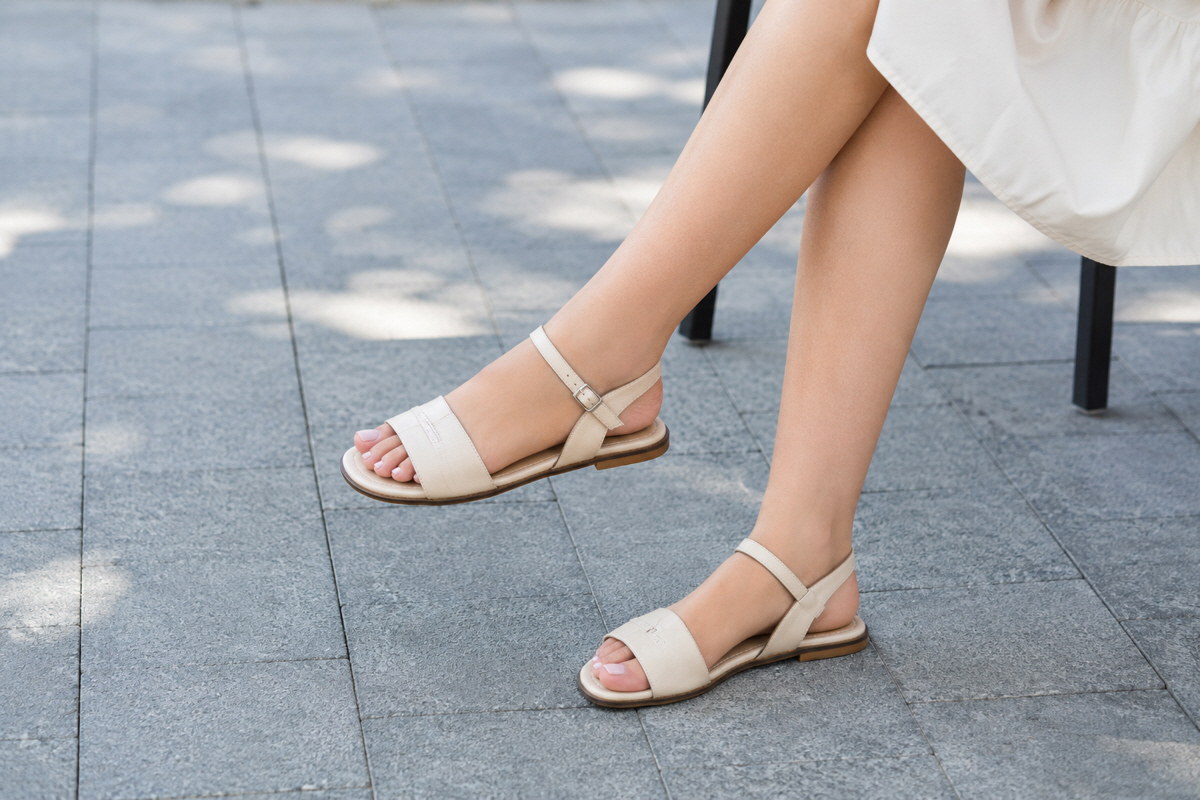
[Sportschosun Jang Jong-ho] In summer, everyone looks for light, cool clothing. Breathable slippers and sandals, leggings and shapewear that enhance the body line, and sunglasses that block strong sunlight are all typical summer fashion items. But if they are worn without considering functionality, they can harm the feet, skin, and eyes. Experts stress that in summer, people should consider not only design but also functionality and safety.
◇If you often wear slippers or sandals, watch out for plantar fasciitis
Slippers and sandals, among the most common summer items, can threaten foot health. Wearing thin, hard-soled shoes for long periods can transfer the impact of walking directly to the sole of the foot, which may lead to plantar fasciitis.
Plantar fasciitis is a condition in which inflammation develops after repeated microdamage to the thick band of tissue connecting the heel and the sole. It is characterized by severe pain when taking the first step in the morning, and in severe cases, even walking for long periods becomes difficult.
A study published in an international journal found that more than 83% of patients with plantar fasciitis routinely wore shoes with thin soles, insufficient cushioning, or no arch support, and that pain became worse the more they wore such shoes.
On days when you expect to walk a lot, choose sneakers with ample cushioning instead of slippers. If you wear sandals, it is better to pick a pair with straps that hold the heel securely. Shoes with badly worn soles or flattened cushioning should also be replaced in time.
Kim Yoo-geun, head of orthopedics at Bupyeong Himchan Hospital, advised, "It is best to choose shoes that provide enough support for the sole and excellent shock absorption."
◇Leggings and compression wear: watch your blood circulation and skin health
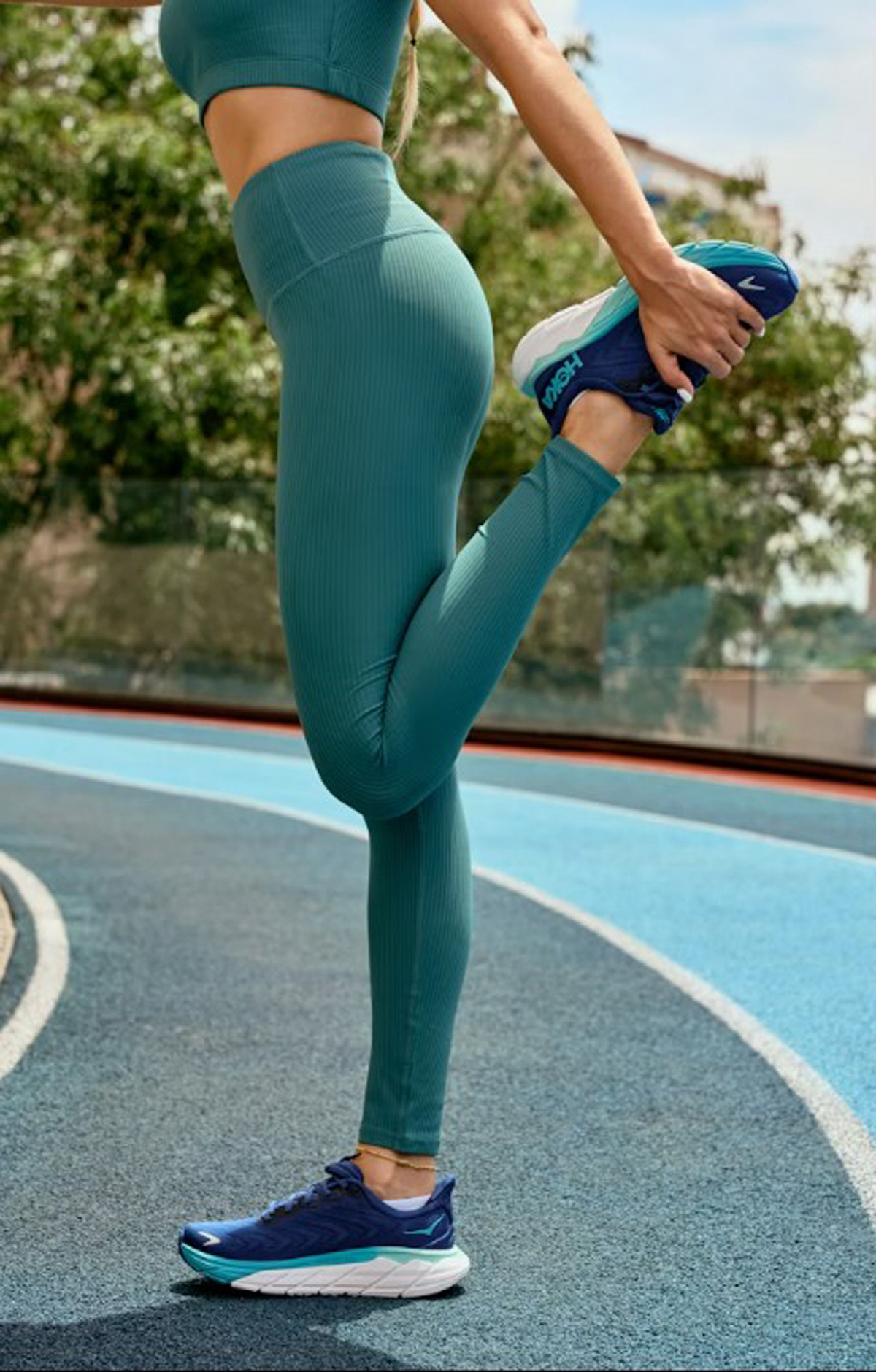
More and more people have recently been wearing leggings, shapewear, and compression clothing as everyday outfits. Tight-fitting clothes like these are another major factor that can threaten health in summer. Moderate compression can help during exercise, but wearing overly tight clothes for long periods can strain blood circulation and increase the risk of skin problems.
In summer especially, sweat and sebum increase, and ventilation is poor, creating an environment where bacteria and fungi can thrive. As a result, folliculitis, contact dermatitis, and heat rash may develop or worsen. For women, higher humidity around the vaginal area can increase the risk of vaginitis or urinary tract infections, while men are also more likely to develop groin eczema, dermatitis, or heat rash.
You should also avoid the habit of wearing wet leggings for a long time after exercise. If sweat does not dry, the skin barrier weakens and friction adds to the problem, making inflammation more likely. Clothes that cling to the skin should be changed immediately after a workout, and it is advisable to choose materials such as cotton or functional fabrics that wick away sweat quickly.

◇For sunglasses, check the UV protection rate before the design
Sunglasses, considered a summer essential, can actually harm eye health if chosen incorrectly. Many people think darker lenses provide better UV protection, but that is a common misconception.
The World Health Organization (WHO) explains that UV protection performance is determined not by lens color but by UV-blocking capability. If you wear dark lenses that do not properly block ultraviolet rays, your field of vision becomes darker, your pupils open wider, and more UV rays may enter the eyes as a result.
Eye damage from ultraviolet rays can accumulate over a lifetime. WHO says excessive UV exposure can raise the risk of cataracts, photokeratitis, pterygium, and some eye cancers, and estimates that about 10% of cataract-related blindness worldwide is linked to UV exposure. Therefore, when choosing sunglasses, you should first check for labels such as "UV400 certified" or "99-100% UV protection" rather than focusing on design.
Proper care and lifespan checks for sunglasses are also important. If lenses are scratched or the UV coating peels off, light scatters and eye strain increases, so old products should be replaced. In particular, leaving sunglasses in a car during hot summer weather can deform the lens coating due to heat, so they should always be stored in a dedicated case in a cool place. When cleaning them, hot water can damage the coating, so it is better to rinse them lightly in lukewarm water and wipe them with a cloth made for glasses. Professor Kim Yong-chan of the Department of Ophthalmology at Catholic University of Korea Incheon St. Mary’s Hospital said, "Sunglasses that have been used for a long time or frequently exposed to high temperatures should be checked for UV coating damage, and products with reduced blocking performance should be replaced."
Experts emphasize that summer fashion items should be chosen not simply by following trends, but according to one’s health condition and level of activity. Small habits that also consider functionality to protect the feet, skin, and eyes are the first step toward a healthy summer.
Jang Jong-ho, bellho@sportschosun.com
This article has been translated by GripLabs Mingo AI.