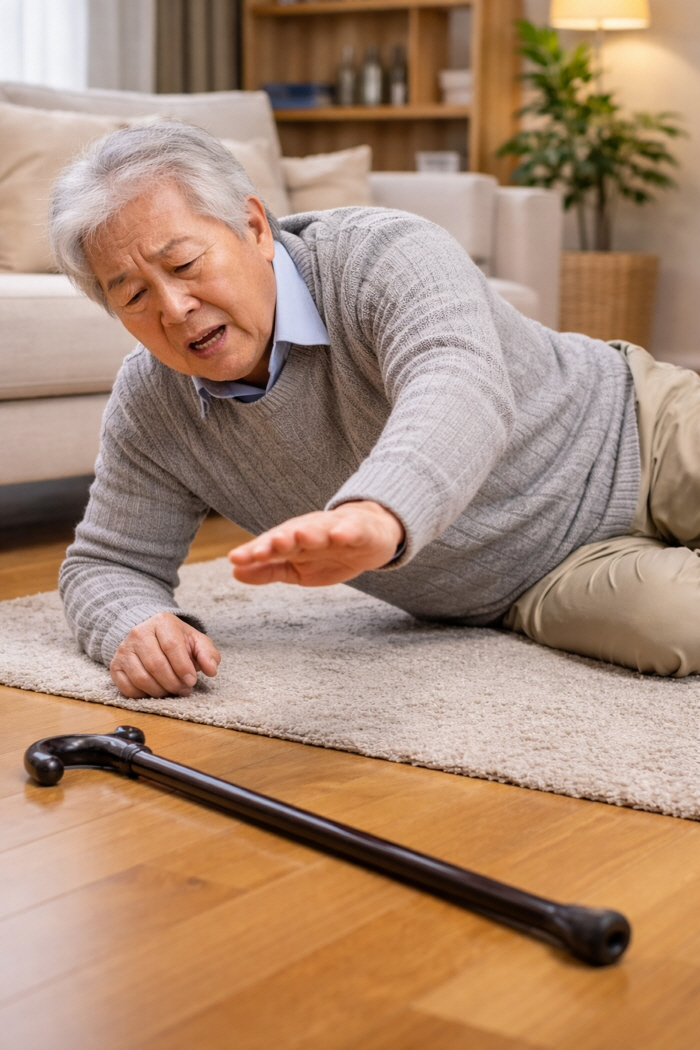
As part of their Environmental, Social, and Governance (ESG) management efforts, a number of retailers are building barrier-free infrastructure and carrying out social contribution activities to reduce shopping barriers for people with mobility challenges, including people with disabilities, older adults, and stroller users.
Rather than limiting themselves to donations, they are increasingly focusing on practical improvements such as better store environments, digital technology integration, and customized product support.
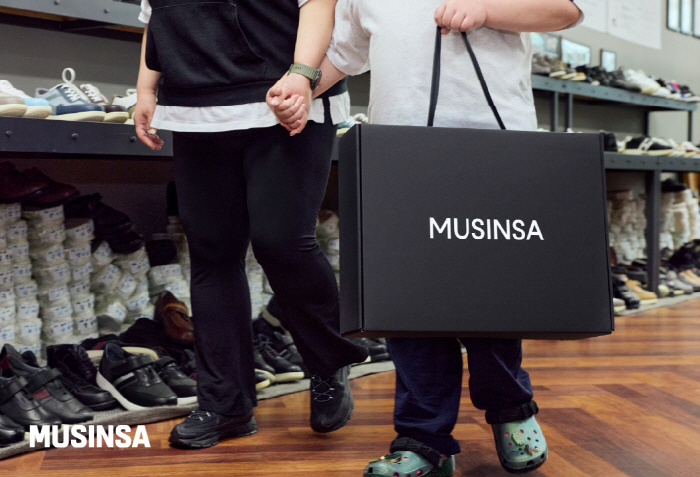
Musinsa is expanding its support program for custom orthopedic shoes for people with mobility challenges.
As part of its MUVE project, a community partnership initiative carried out with the Seongdong District Office and the Miral Welfare Foundation, Musinsa is supporting the production of orthopedic shoes for people with disabilities who have difficulty walking. The MUVE project is Musinsa's flagship corporate social responsibility (CSR) activity, designed to secure real mobility rights for vulnerable groups and people with mobility challenges while helping close gaps in the welfare system.
The program is aimed at people with disabilities who cannot wear off-the-shelf shoes because of congenital or acquired foot impairments, deformities, or differences in leg length. Orthopedic shoes are made through precise measurements tailored to each person's physical characteristics and strict handcrafting. To support vulnerable groups that struggle to afford such shoes, Musinsa has fully funded the program every year based on a public-private memorandum of understanding signed in 2024.
This year, the company doubled the scale of support from the previous year to a total of 20 recipients in order to widen the beneficiary pool. It has also built a partnership with Haram Workshop, a specialist orthopedic shoe manufacturer on the handmade shoe street in Seongsu-dong, Seongdong District, where Musinsa is headquartered, to work with local small businesses. In the first round of the project, which began recruiting in April, 10 recipients ranging in age from teenagers to middle-aged adults were selected from across the Seoul metropolitan area, including Seoul, Gyeonggi Province, and Incheon. Detailed measurements, including foot shape scans and gait analysis, have now been completed for each recipient, and the company has begun the custom shoe production process. Delivery is scheduled to be completed sequentially by the end of this month.
A Musinsa official said, "It is meaningful that we can guarantee real freedom of movement for marginalized neighbors who have difficulty walking, while also supporting the ecosystem of local small businesses and the handmade shoe industry." The official added, "After completing the first production round without setbacks by the end of July, we will launch the second recruitment round for the latter half of the year in August and continue our community partnership activities."
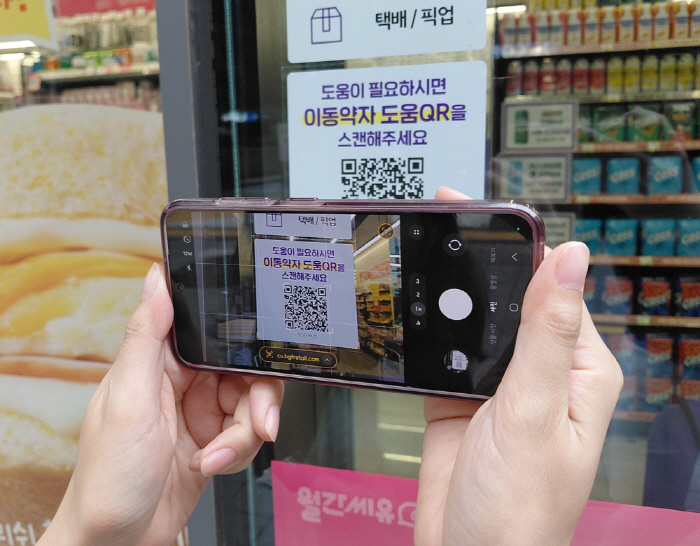
CU Convenience Store has introduced its Mobility Assistance Bell QR Service at more than 18,000 stores nationwide to make convenience store visits easier for people with mobility challenges, including people with disabilities and older adults.
Customers who need help entering a store can scan the QR code attached to the entrance door with their smartphone and request assistance from staff. When a customer makes a request through the QR code, an alert is sent immediately to the staff member's dedicated device and POS system. Staff then go to the entrance to help the customer enter the store. If wheelchair access is difficult because of the store layout, they support shopping by checking the requested items and bringing them to the customer.
An industry source said that barrier-free efforts for people with mobility challenges used to focus mainly on removing physical obstacles such as ramps and elevators, but have recently expanded into services that support the entire mobility process.
Kim So-hyung
This article has been translated by GripLabs Mingo AI.