

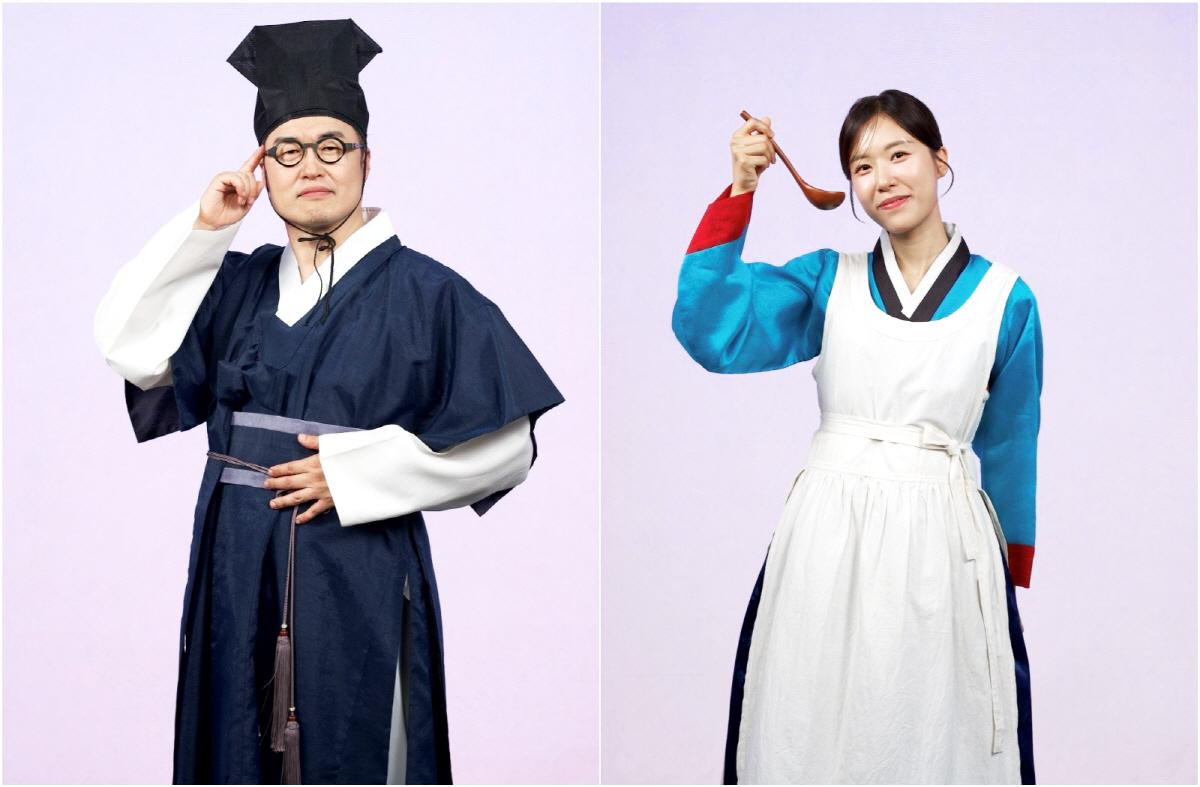
[Sportschosun Jeong Bit] TV CHOSUN's new variety show "What Did the King Eat?" will present a talk show that combines history and gastronomy.
Premiering on the 8th, TV CHOSUN's new variety show "What Did the King Eat?" is a talk show that playfully unpacks a "delicious history book," featuring the surprising stories hidden in the meals of 27 Joseon kings, from royal health foods to forbidden delicacies that shook an era.
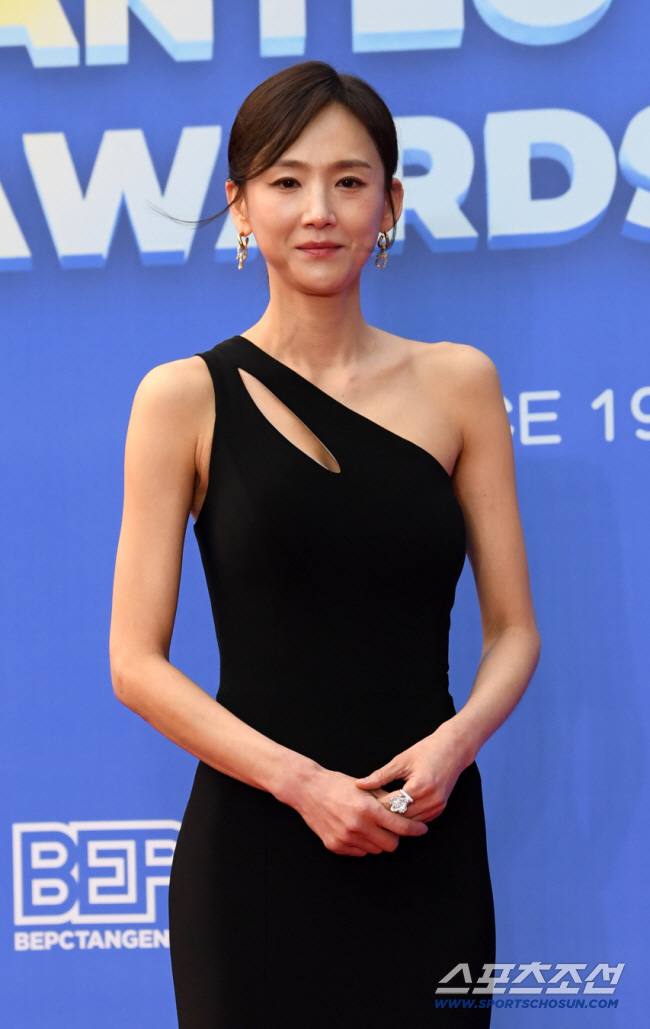
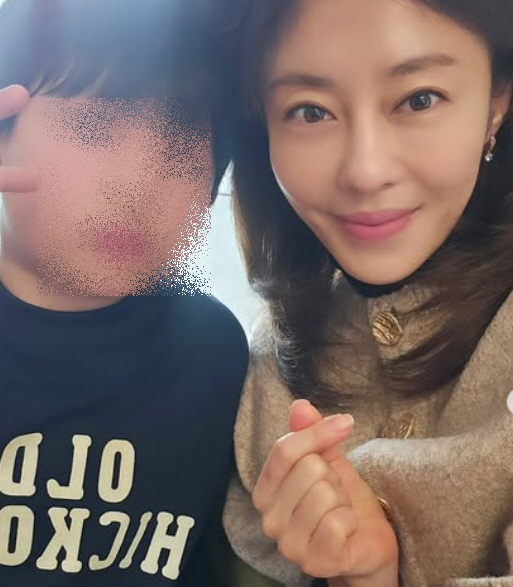
Choi Tae-sung, known as the nation's top history expert and "Big Star Teacher," and chef Lee Yeon-ju, called "New York Janggeum," take center stage in recreating the royal table on "What Did the King Eat?" The two raised expectations to the highest level by revealing behind-the-scenes stories beyond imagination. Choi Tae-sung, a leading Korean history instructor, admitted with surprise that he has always been serious about food, but "was almost a complete novice when it came to the history of food."
He said, "I thought I had studied history for a long time, but looking at it through the lens of food opened up a whole new world," and recalled the moment when his pride as an expert was shaken.
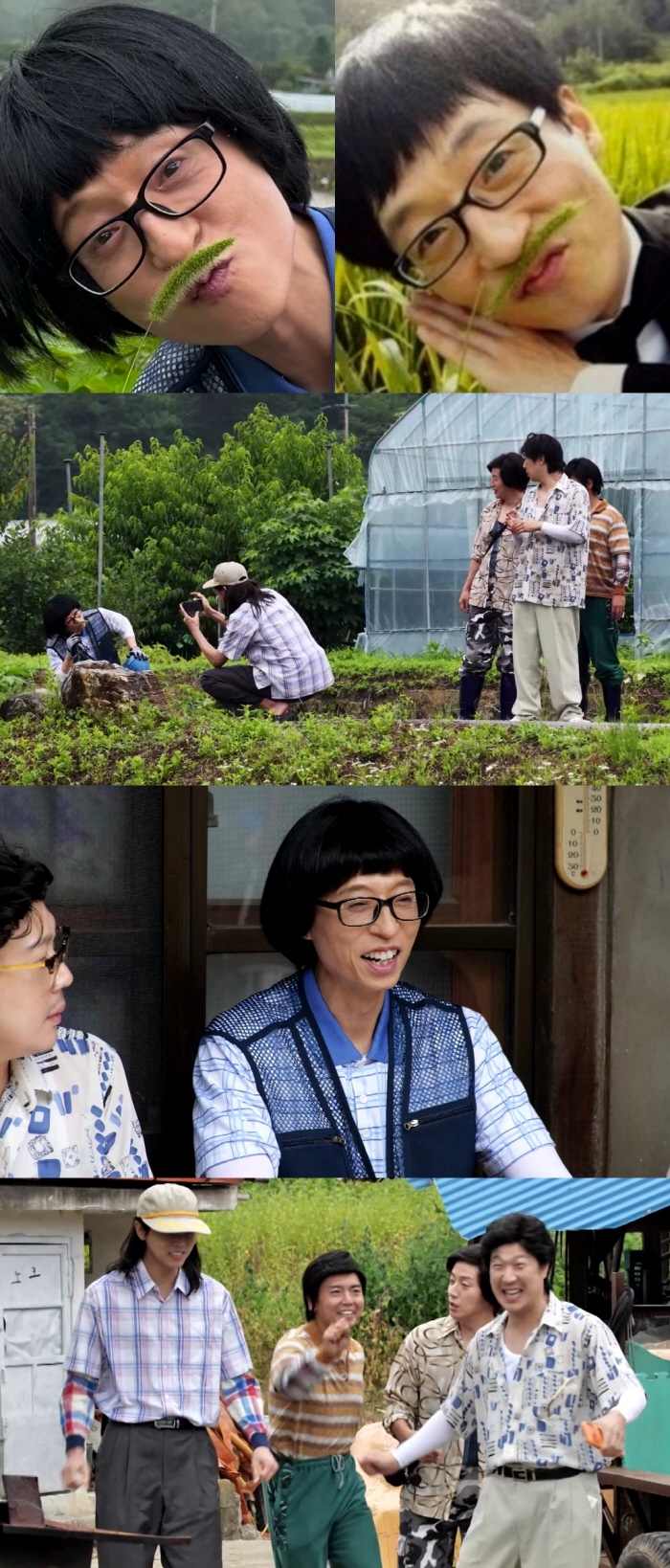
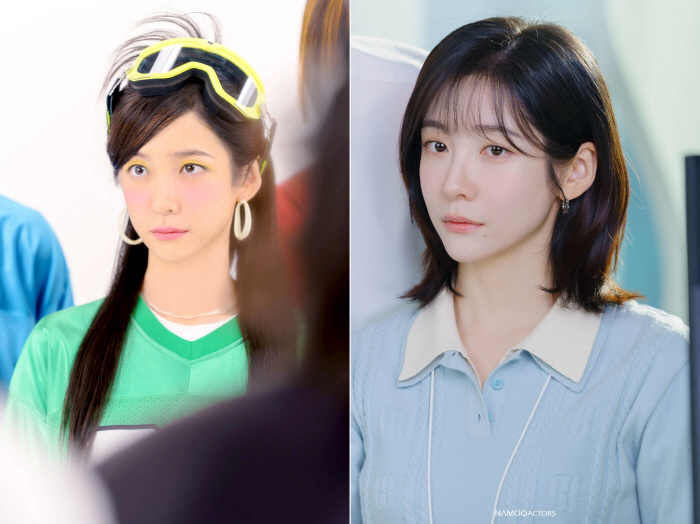
Chef Lee Yeon-ju said, "The three guests, Yang Sang-guk, Mirage, and Ji Ye-eun, were so good at playing along that I was able to channel 'Janggeum' and have even more fun exploring the history of food," hinting at her cheerful chemistry with the popular trio.
Here is a Q&A with Choi Tae-sung, the "Scholar of the Jiphyeonjeon," and Lee Yeon-ju, the "New York Janggeum," as they work with the trio of Yang Sang-guk as the "eunuch," Mirage as the "court lady," and Ji Ye-eun as the "palace maid" to create the most delicious history book in the world.
Q. What was your first thought when you heard the offer to appear? And what made you decide to take part?
Choi: I have always really loved food. But when I heard that we would be exploring the history behind dishes, I found it incredibly interesting. My first thought was, 'Wouldn't this taste even better if I knew the story behind it?' I decided to join happily because I thought it would be so much fun to add history to delicious food.
Lee: When I first got the offer, I was truly thrilled. I kept thinking, 'How did such an opportunity come to me?' I have always loved old cookbooks and stories about food from history, so I often spent time looking things up and studying on my own. That is why the appeal was not just in a cooking program, but in the chance to explore the history and stories behind the food. I felt it was an opportunity to share the field I love with more people in a fun and flavorful way, so I joined with great excitement.
Q. You are exploring history and food together with Yang Sang-guk as the "eunuch," Mirage as the "court lady," and Ji Ye-eun as the "palace maid." What felt fresh or especially fun about working with the trendy trio, who seem to have time-slipped into the Joseon era?
Choi: It is really fun working with the three of them. I was talking about King Jeongjong of Joseon, and Mirage immediately shot back, "Which Jeongjong?" The whole set burst out laughing. Moments like that were actually the best. Instead of an expert's perspective, points that ordinary viewers would naturally wonder about came out on their own. That made it much easier and more enjoyable to tell the story, and I thought, 'Ah, this is a show that many people can enjoy comfortably.'
Lee: I usually spend much more time in the kitchen, so just being on a variety show with entertainers was a completely new experience. I get very serious whenever food comes up, but the three of them made even that part so entertaining. Thanks to them, I was able to explain things not like a lecture, but as if I were channeling Janggeum, making the stories behind the food feel much more relaxed and enjoyable. We were genuinely cracking up the whole time. History can feel difficult when you study it alone, but thanks to the three of them, it seems to come across much more easily and cheerfully. I am learning a lot from them.
Q. You are both top experts in your fields. While preparing for this program, was there a moment when you thought, 'Wow, I didn't know that,' or 'I didn't expect that,' and felt your pride as an expert shake a little? Please give us a small spoiler.
Choi: Honestly, I was almost a complete novice when it came to the history of food. So while preparing, I discovered so many things and kept thinking, 'Wow, this connects like that too.' What surprised me most while preparing the Sejong the Great episode was how distinct his food preferences were. He loved meat, and stories came up about chicken dishes such as pogye, as well as rare ingredients like abalone and black cattle, along with various health foods related to vitality. I had studied history, but seeing Sejong through food made him feel much more three-dimensional. Even though I thought I had studied history for a long time, looking at it through food opened up an entirely new world. It was a time when I kept learning more and more.
Lee: Honestly, there were so many. I thought I was confident about food, but as I studied and researched the foods of history one by one, I realized there were still many things I did not know and many areas where I was lacking. The delicate and wise cooking methods of our ancestors, the astonishingly nutritional approach, and the dishes prepared to suit each king's different tastes and preferences... Above all, I was amazed that all of it had been systematically recorded. Every time, instead of feeling my pride as an expert shake, I wanted to study even more deeply. These are stories and foods from eras we never lived through, so it is not easy to imagine them just by reading. That is why I reviewed as many historical sources as possible and put a great deal of thought and research into recreating the tastes and appearance of that time. I hoped the dishes we prepared would help viewers and the cast feel that historical food is not difficult or unfamiliar, but interesting and approachable.
Q. The program is expected to feature the royal tables of Joseon kings. If you were to time-slip as a chef in charge of the Suragan, which king's table would you absolutely not want to handle, and why?
Choi: Probably Sejong the Great. He was known to enjoy foods that were not very good for his health. As a chef, you would want to make the food delicious, but you would also have to look after his health, so it would be really difficult. Even if you said, 'Your Majesty, you should only have a little of this,' I do not think he would listen easily. In many ways, it would be a brutal job.
Lee: I think kings recorded as tyrants would make me a little nervous. I would worry that if the food displeased them, I might lose my head for no reason... If I had to choose just one, it would be Yeonsangun of Joseon! He was recorded as having a harsh and unpredictable personality, so from the perspective of serving the royal table, he would be the most nerve-racking. He also reportedly sought out many special dishes. Taste is important, of course, but I would first worry about accidentally upsetting his mood. He might say the food is delicious today, but who knows how he would feel tomorrow. From a cook's perspective, it would be hard because you would have to keep thinking of new royal dishes instead of serving the same thing every day.
Q. If you had to define this program's truly "delicious" appeal in one line, the reason viewers must tune in live, what would it be?
Choi: I would say it is the most delicious way to enjoy history in the world.
Lee: It is the most delicious journey through history, looking at the 500-year Joseon dynasty through food. By following the tasty stories of what kings actually ate in that era, history becomes easy and fun before you know it.
A "delicious history book" that stimulates all five senses, TV CHOSUN's new variety show "What Did the King Eat?" will premiere on Wednesday, July 8, at 10 p.m.
Reporter Jeong Bit rightlight@sportschosun.com